
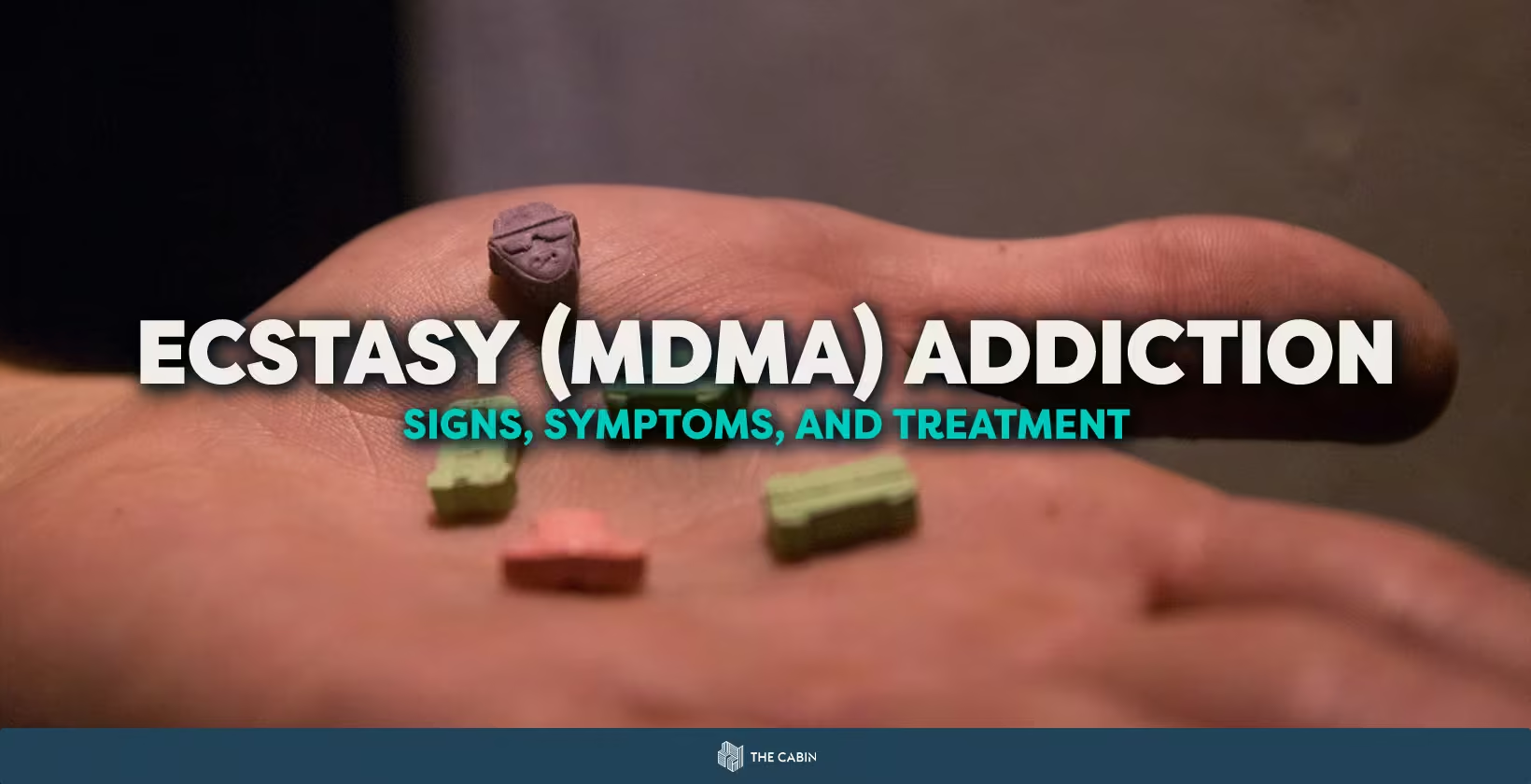
Ecstasy addiction is a dependency on the drug 3,4-methylenedioxymethamphetamine (MDMA), which is known for its euphoric and stimulating effects. An ecstasy drug is illegal when used without medical supervision due to its potential for abuse and harmful effects. The drug is legal in clinical settings, where MDMA is used for research or therapeutic purposes under supervision. Ecstasy is addictive because it affects serotonin, a neurotransmitter that regulates mood and pleasure. Repeated use depletes serotonin levels, leading to cravings and a cycle of dependence. The drug becomes a way to regain the intense feelings of euphoria, causing psychological and physical reliance.
The most commonly abused forms of ecstasy are in pill or capsule form, mixed with other substances. It increases the risk of overdose and harmful side effects, as the drug’s strength can vary. Ecstasy addiction can lead to severe health risks (dehydration, overheating, and cardiovascular problems). An overdose is dangerous and can result in heatstroke, organ failure, or seizures. The risk of overdose is higher when ecstasy is mixed with other drugs.
Treatment for ecstasy addiction starts with detoxification, followed by behavioral therapies like Cognitive Behavioral Therapy (CBT). The process helps individuals address the psychological aspect of addiction and regain control. Recovery may take several months up to years, depending on the severity of the addiction. Ecstasy addiction treatment focuses on managing the physical and psychological dependence. Recovery is possible with support, and individuals break free from the cycle of ecstasy use. Understanding MDMA meaning and ecstasy definition helps recognize the risks associated with the drug and seek appropriate help.
What is Ecstasy Addiction?
Ecstasy addiction is a dependency on the drug MDMA, commonly known for its stimulating and euphoric effects. Ecstasy alters mood, perception, and behavior, creating intense feelings of well-being and emotional closeness. The drug is used in social settings, such as parties or clubs, due to its energizing properties. Street names for ecstasy include “Molly,” “E,” and “X.” Ecstasy addiction develops as the brain becomes reliant on the drug to achieve pleasure, leading to a cycle of misuse. Individuals need higher doses to experience the same effects as tolerance builds. Dependence on the substance grows, making it a severe type of addiction.
What Causes Ecstasy Addiction?
Causes of Ecstasy Addiction are listed below.
- Ecstasy affects the release of serotonin, dopamine, and norepinephrine, chemicals that influence mood and pleasure. Repeated use can disrupt the brain’s natural ability to regulate these chemicals, leading to addiction.
- Individuals may use ecstasy to cope with stress, anxiety, or depression. The temporary feeling of euphoria can reinforce the desire to use it again.
- Ecstasy is consumed in social settings (parties or clubs), where peer pressure may influence individuals to try the drug and continue using it.
- People may have a genetic vulnerability to addiction, making them more prone to developing dependencies on substances like ecstasy.
- The body becomes tolerant to ecstasy, meaning larger doses are needed to achieve the same effect, which can lead to addiction with frequent use.
- Ecstasy may be used as a way to escape from emotional pain or life challenges, leading individuals to rely on it for temporary relief and increasing the risk of addiction.
Why is Ecstasy Addictive?
Ecstasy is addictive because it alters brain chemistry and creates intense feelings of pleasure. The drug increases the release of serotonin, a neurotransmitter responsible for regulating mood, emotion, and happiness. A flood of serotonin leads to a euphoric high, but over time, the brain becomes reliant on the drug to achieve these feelings. The body becomes dependent on ecstasy as tolerance builds, requiring higher doses to experience the same effects. Long-term use damages serotonin-producing cells, leading to emotional and cognitive issues (depression, anxiety, and memory problems). Individuals continue to seek out ecstasy to feel pleasure as the brain’s reward system becomes compromised, making it difficult to stop using and leading to addiction.
Who is at the Highest Risk of Developing Ecstasy Use Disorder?
Young adults and teenagers are at the highest risk of developing ecstasy use disorder. Individuals who frequent social environments (clubs, raves, or parties) where ecstasy is commonly used are more likely to be exposed to the drug. Individuals with a history of substance abuse or mental health disorders, including depression or anxiety, are more susceptible. Peer pressure and the desire for social acceptance can further increase the likelihood of using ecstasy. People with a genetic predisposition to addiction or a family history of substance use disorders are at heightened risk.
MDMA Addiction Is Real
What are the Signs and Symptoms of Ecstasy Addiction?
The signs and Symptoms of Ecstasy Addiction are listed below.
- Increased tolerance as the body becomes accustomed to ecstasy. Individuals need higher doses to experience the same effects, leading to frequent use.
- Constant preoccupation with obtaining and using ecstasy, with thoughts centered on when and how to take it next.
- Ecstasy addiction can lead to dramatic shifts in mood, from euphoria and energy to feelings of depression, anxiety, or irritability when not using the drug.
- Regular use can cause dehydration, increased heart rate, jaw clenching, teeth grinding, and nausea.
- Individuals who take ecstasy may begin to isolate themselves from family and friends in favor of spending time with others who use ecstasy.
- Poor decision-making and risky behavior. Impulsive actions and risky behaviors (unsafe sexual practices or driving under the influence) are common among individuals addicted to ecstasy.
- Long-term use can cause cognitive issues, including difficulty with memory retention and focus.
- Ecstasy users may fail to fulfill obligations at work, school, or home, prioritizing drug use over daily responsibilities.
What are the Short-Term and Long-Term Effects of Ecstasy Use?
The Short-Term and Long-Term Effects of Ecstasy Use are listed below.
- Short-Term Effects of Ecstasy Addiction:
- Euphoria and heightened sensory perception. Ecstasy creates intense feelings of happiness and emotional closeness, making users feel more connected to others.
- Users feel more energetic, which can lead to prolonged physical activity or social engagement.
- Ecstasy raises body temperature, leading to dehydration, sweating, and potential heatstroke in extreme cases.
- A common physical side effect, users may involuntarily clench their jaw or grind their teeth.
- Ecstasy can cause nausea, dizziness, or lightheadedness, which may be worsened by dehydration.
- Users may experience difficulty concentrating or distorted thought patterns while under the drug’s influence.
- Long-Term Effects of Ecstasy Addiction:
- Long-term use of ecstasy can cause lasting damage to memory and cognitive functions, including difficulty with learning and concentration.
- Chronic use is linked to anxiety, depression, and an increased risk of developing mood disorders.
- Ecstasy affects serotonin levels in the brain, and repeated use can lead to long-lasting changes in the brain’s serotonin system, affecting mood regulation.
- Prolonged ecstasy use can put strain on the liver, leading to potential liver toxicity or failure.
- Ecstasy use can lead to cardiovascular issues, including increased heart rate and blood pressure, raising the risk of heart attack or stroke.
- Regular use of ecstasy can lead to physical and psychological dependence, making it difficult to stop using without professional help.
What are the Dangers of Ecstasy Overdose?
The dangers of ecstasy overdose are severe and can include life-threatening symptoms such as rapid heartbeat, high blood pressure, hyperthermia (dangerously high body temperature), and seizures. Overdosing can lead to dehydration, organ failure, or even death. Ecstasy affects the body’s ability to regulate temperature, which can result in overheating in environments like parties or clubs where users are physically active. The drug depletes serotonin levels, which can lead to serotonin syndrome, a potentially fatal condition. Immediate medical attention is crucial in the event of an overdose.
Emergency response must include calling 911 or seeking urgent medical help, cooling the body if overheating is present, and monitoring vital signs while waiting for professional care. Medical professionals may administer intravenous fluids, medications to control seizures, or other interventions to stabilize the individual and prevent further harm.
Are you
Worried
about Your
Loved One?
What are the Best Treatments for Ecstasy Addiction?

The Best Treatments for Ecstasy Addiction are listed below.
- Cognitive-behavioral therapy (CBT) is one of the most effective treatments, helping individuals recognize and change the thought patterns that drive ecstasy use. CBT focuses on coping strategies and how to handle triggers that lead to drug use.
- Support groups, such as 12-step programs, allow individuals to connect with others facing similar struggles. These group settings provide a sense of community and accountability during recovery.
- Antidepressants and anti-anxiety medications may help manage symptoms of withdrawal or co-occurring mental health conditions, like depression. However, there are no FDA-approved medications specifically for ecstasy addiction.
- Medical detox is the first step in treatment. It helps the body safely remove ecstasy from the system while managing withdrawal symptoms under professional supervision.
- Inpatient rehab provides a structured environment where they can receive 24/7 care and therapy while staying in a safe, supportive setting for individuals with severe addiction.
- The programs allow individuals to receive treatment while continuing to live at home. They offer flexibility with counseling, therapy, and support sessions.
- Engaging family members in therapy helps address relationship dynamics and build a support system for the individual’s recovery process. Family therapy can improve communication and strengthen recovery efforts.
How does Drug Detoxification Help with Ecstasy Withdrawal?
Drug detoxification helps with ecstasy withdrawal by removing the drug from the body and managing the physical symptoms associated with withdrawal. Detoxification is crucial in minimizing discomfort (anxiety, fatigue, and dehydration). The body is allowed to recover during detox, with medical professionals monitoring vital signs to prevent complications. They may not be directly involved in ecstasy detox, while medications like Methadone and Buprenorphine are commonly used for opioid withdrawal. However, medications such as antidepressants or anti-anxiety drugs can help manage withdrawal symptoms and co-occurring mental health issues. Detoxification prepares long-term treatment by stabilizing the individual, allowing them to begin therapy and counseling in a clearer state of mind. It creates a foundation for recovery, where individuals can focus on addressing the psychological aspects of addiction through behavioral therapy and support systems.
How Long does Ecstasy Withdrawal last?
Ecstasy withdrawal lasts between 1 to 2 weeks, though some individuals may experience symptoms for longer. Early symptoms (fatigue, irritability, and cravings for the drug) start within the first 24 to 48 hours. Peak symptoms (anxiety, depression, and difficulty) concentrating are most noticeable between days 3 to 7 as the body begins to adjust. Post-acute symptoms can linger for weeks to months and include mood swings, sleep disturbances, and persistent fatigue. The lingering effects are less intense but can be disruptive and require ongoing support during recovery.
What are the Most Effective Behavioral Therapies for Ecstasy Addiction Treatment?
The Most Effective Behavioral Therapies for Ecstasy Addiction Treatment are listed below.
- Cognitive Behavioral Therapy (CBT): CBT helps individuals identify and change negative thought patterns and behaviors that contribute to ecstasy use. The Cognitive Behavioral Therapy teaches coping strategies for managing cravings and avoiding triggers, aiming to reduce the risk of relapse.
- Contingency Management (CM): The Contingency Management uses positive reinforcement to encourage sobriety. Patients earn rewards for meeting treatment goals, such as drug-free urine tests, which increases motivation and reinforces healthy behaviors.
- Motivational Interviewing (MI): MI is a client-centered, non-confrontational approach that helps individuals explore and resolve ambivalence about their addiction. The Motivational Interviewing therapy improves motivation for change by addressing the individual’s reasons for using ecstasy and supporting their readiness for recovery.
- Dialectical Behavior Therapy (DBT): DBT is helpful for individuals with co-occurring mental health disorders. The Dialectical Behavior Therapy focuses on building emotional regulation skills, managing stress, and improving interpersonal relationships, all of which are crucial in overcoming ecstasy addiction.

How Long does it take to Recover from Ecstasy Addiction?
It takes 1 to 2 years to recover from ecstasy addiction, with different stages requiring varying amounts of time. Initial detoxification lasts between 7 to 14 days, during which the body removes ecstasy and the individual stabilizes physically, addressing withdrawal symptoms. The short-term recovery phase (1 to 3 months) focuses on behavioral therapy and counseling, helping the individual adjust to life without the drug. Long-term recovery (6 months to 1 year) involves maintaining sobriety, addressing emotional and psychological challenges, and developing healthier coping mechanisms. Ongoing maintenance continues for 1 year and beyond, requiring consistent self-care, support groups, and therapy to prevent relapse and ensure lasting recovery.
Can Ecstasy Addiction be Prevented?
Yes, ecstasy addiction can be prevented through education, early intervention, building supportive environments, and encouraging healthy coping mechanisms. Providing access to mental health resources and promoting substance-free social activities are key factors in prevention. Prevention efforts focus on educating individuals about the risks of drug use in high-risk groups (teenagers and young adults). Early intervention programs can identify at-risk individuals and offer support before drug use escalates. Creating a supportive social environment that encourages positive activities and healthy coping mechanisms helps reduce the temptation to use ecstasy. Access to mental health care is vital for addressing underlying emotional or psychological issues that may drive individuals toward substance use.
Quit
Addiction
with Our Support!
What Mental Health Disorders are Linked to Ecstasy Use Disorder?
Mental Health Disorders Linked to Ecstasy Use Disorder are listed below.
- Anxiety Disorders: Anxiety disorders involve excessive worry, fear, or nervousness that interfere with daily life. Ecstasy use can trigger or worsen anxiety by affecting brain chemicals that regulate mood and stress. The comedown after ecstasy use may lead to heightened anxiety symptoms.
- Depression: Depression is characterized by persistent feelings of sadness, hopelessness, and loss of interest in activities. Ecstasy depletes serotonin, a neurotransmitter responsible for mood regulation. Long-term use can lead to a deficiency in serotonin, increasing the risk of depression both during and after ecstasy use.
- Panic Disorder: Panic disorder is marked by recurrent and unexpected panic attacks, which are sudden periods of intense fear or discomfort. Ecstasy can induce panic attacks due to its stimulant effects on the body, causing rapid heart rate and heightened physical sensations. Frequent use increases the chance of developing panic disorder.
- Post-Traumatic Stress Disorder (PTSD): PTSD is a mental health disorder triggered by experiencing or witnessing a traumatic event. Symptoms include flashbacks, nightmares, and severe anxiety. Ecstasy may be used to cope with trauma, but long-term use can worsen PTSD symptoms. The drug’s impact on the brain’s stress-regulation systems can intensify the emotional distress associated with trauma.
- Psychosis: Psychosis is a severe mental disorder where individuals lose touch with reality, experiencing delusions or hallucinations. Ecstasy use (in high doses or over extended periods) can cause temporary psychosis, with symptoms like confusion, paranoia, and hallucinations. Long-term use increases the risk of developing permanent psychotic disorders.
- Paranoia: Paranoia involves irrational mistrust or suspicion of others, feeling that people are plotting harm or betrayal. Ecstasy can cause sensory distortion, leading to heightened feelings of suspicion and mistrust. Chronic use can exacerbate these feelings, making paranoia more frequent and severe.
What is the Difference between Ecstasy Addiction and Opioid Addiction?
The difference between ecstasy addiction and opioid addiction is found in the substances’ effects on the brain and body, their methods of use, and the physical dependencies they create. Ecstasy improves serotonin release as a stimulant, leading to feelings of euphoria, energy, and emotional closeness, but it does not cause the physical dependence seen with opioids.
Opioid addiction involves a physical dependence on substances like heroin or prescription painkillers, which bind to opioid receptors in the brain, creating pain relief and intense pleasure but leading to tolerance and withdrawal symptoms. Ecstasy use can cause psychological dependence, and opioid addiction involves physical and mental dependence, making withdrawal much more challenging.
Ecstasy addiction is associated with social and environmental factors, while opioid addiction is more commonly linked to pain management and misuse of prescription drugs. Long-term effects of ecstasy use impact mood and cognition, whereas opioid addiction leads to more severe physical health problems, including organ damage and overdose risks. The conditions require specialized treatment, but the methods and approaches differ. Ecstasy addiction treatment focuses more on behavioral therapies, and opioid addiction involves medically-assisted detox and long-term medications to manage cravings.
Think You might be facing early signs of addiction?
But here’s the good news: you don’t have to face this alone. At The Cabin Sydney, our experienced specialists are here to help. We offer confidential outpatient services in Sydney and discreet inpatient treatment at our rehab centre in Northern Thailand. Take the first step towards recovery—contact us today!
Take the First Step to Freedom and Start your New Life – Thousands Have, So Can You!
“This place has lifted me up from a rock bottom (suicide) state. With the support and advice given to me by the staff at the facility, I am well on the way to a great future. One I was never going to have if I hadn’t come to The Cabin.” – C
“I wake up almost every day in a happy disbelief that I am alive and that I don’t want a drink.” – J
