
Nicotine Addiction is a dependence on nicotine, an addictive substance found in tobacco products and e-cigarettes. Nicotine is legal for adults but restricted for minors, with legal purchasing ages set at 18 or 21. Addiction to nicotine occurs as the substance stimulates the brain’s reward system, leading to dopamine release and reinforcing the desire to continue using it. Commonly abused forms of nicotine include cigarettes, cigars, smokeless tobacco, and e-cigarettes, which contribute to severe health risks (heart disease, respiratory issues, and cancers). Nicotine addiction can be treated through nicotine replacement therapy, medications, and behavioral therapy, with recovery taking anywhere from 2 months to 3 years, depending on the smoker’s level of addiction and commitment to quitting.
Is nicotine a drug?
Yes, nicotine is a drug. Nicotine is a stimulant that affects the central nervous system, increasing heart rate and blood pressure. Nicotine is highly addictive, leading to physical and psychological dependence. It is found in tobacco products and is the primary cause of addiction for smokers and vapers.
What is Nicotine Addiction?
Nicotine Addiction is a form of substance use disorder where the body becomes physically and psychologically dependent on nicotine. The addiction to nicotine is determined by nicotine’s ability to activate the brain’s reward system, triggering the release of dopamine, a neurotransmitter linked to pleasure and satisfaction. Smokers seek out nicotine to recreate the pleasurable feelings again, which leads to habitual use. Nicotine use disorder is diagnosed when a user continues to use tobacco despite negative consequences (health issues or social problems) and experiences cravings or withdrawal symptoms when nicotine levels drop.
Nicotine addiction is marked by increasing tolerance, where higher amounts of nicotine are needed to achieve the same effects, and a pattern of unsuccessful attempts to quit. Long-term nicotine addiction increases the risk of serious diseases, including cardiovascular disease, chronic obstructive pulmonary disease (COPD), and cancers. The addiction to nicotine includes physical dependence, with symptoms of irritability, anxiety, and headaches, and psychological dependence, where smokers associate situations, emotions, or behaviors with the need for nicotine. Recovery from Nicotine use disorder requires behavioral therapy and medical interventions (nicotine replacement therapy) or prescription medications to help manage withdrawal and reduce cravings.
How Does Nicotine Affect the Brain?
Nicotine affects the brain through their interaction with nicotinic acetylcholine receptors (nAChRs) in the brain. Nicotine binds to the receptors in the mesolimbic pathway, when nicotine enters the system, which includes the Ventral Tegmental Area (VTA) and nucleus accumbens. It triggers the release of dopamine and other neurotransmitters (norepinephrine and serotonin), which are linked to mood, reward, and attention. Chronic nicotine exposure causes neuroadaptations (receptor upregulation and desensitization), which lead to tolerance and dependence. The processes of nicotinic acetylcholine receptor activation contribute to the reinforcing effects of nicotine and its addictive properties, according to the research title “Nicotinic acetylcholine receptors and nicotine addiction: A brief introduction,” by Wittenberg et al., in 2020.
Nicotine affects the body by stimulating the sympathetic nervous system, increasing heart rate, blood pressure, and respiration, beyond the brain. It activates the release of epinephrine and beta-endorphins, which heighten alertness and produce a feeling of euphoria. Long-term nicotine use leads to changes in the brain’s reward circuitry, increasing the addiction. The neuroadaptive modifications, including the upregulation of nAChR subtypes, contribute to the escalating need for nicotine and withdrawal symptoms in the end. The effects underscore the challenges associated with breaking free from nicotine addiction.
Why is Nicotine Addictive?
Nicotine is addictive because it stimulates the release of dopamine, a neurotransmitter responsible for feelings of pleasure and reward. Nicotine binds to nicotinic acetylcholine receptors in the brain when it is inhaled. It joins in areas including the nucleus accumbens and the ventral tegmental area. The interaction results in an increase in dopamine levels, which creates a sense of euphoria and reinforces the behavior, making the user want to repeat the experience. The brain becomes reliant on nicotine to release dopamine, leading to nicotine addiction.
The rapid onset of dependence is another factor contributing to nicotine addiction. Nicotine reaches the brain quickly after inhalation within seconds, which creates an immediate and rewarding effect. The quick feedback loop strengthens the addiction, making it harder for smokers to resist the urge to use nicotine again. The brain adjusts by reducing its natural dopamine production as smokers continue to consume nicotine, requiring higher doses of nicotine to achieve the same effect. It leads to the withdrawal cycle, where the absence of nicotine causes irritability, anxiety, and cravings. Smokers find themselves trapped in a cycle of repeated use to alleviate the withdrawal symptoms and increase their dependency on nicotine.
What Causes Nicotine Addiction?
The factors that cause Nicotine Addiction are listed below.
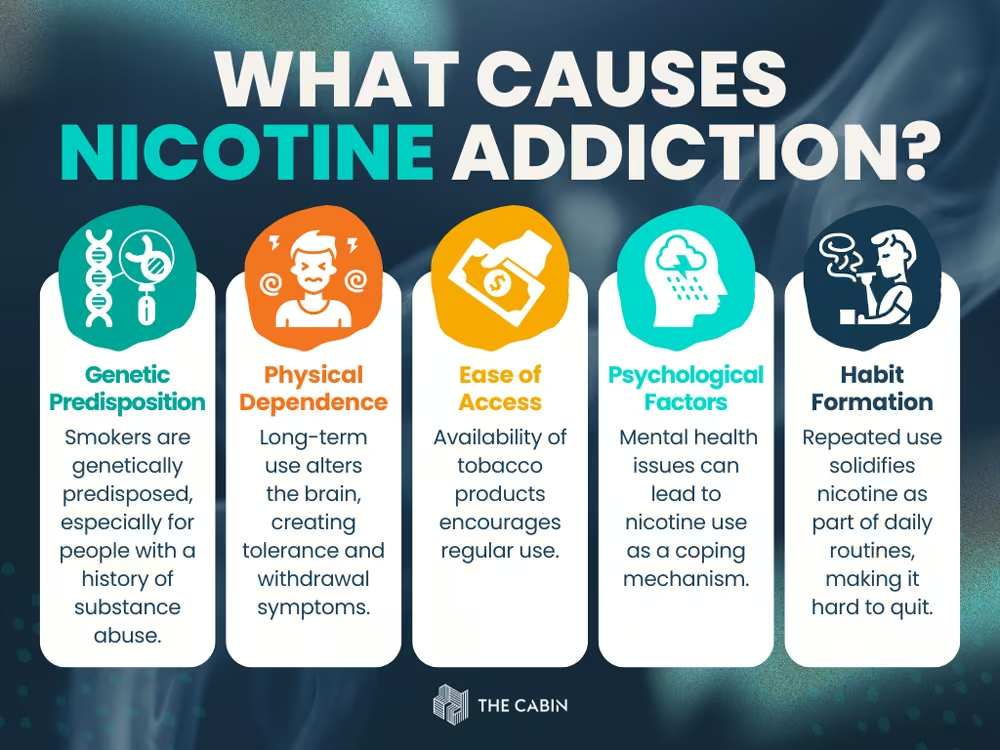
- Genetic Predisposition is one of the causes of addiction. An inherited tendency of some patients to develop nicotine addiction due to their genetic makeup. The variations in genes related to dopamine and nicotine receptors make them more vulnerable to addiction. Users with a family history of substance abuse are at a higher risk of becoming addicted to nicotine because of the genetic factors.
- Physical Dependence is when the body becomes reliant on nicotine to function due to long-term use. Nicotine alters the brain’s reward system, leading to a tolerance that requires more nicotine to achieve the same effects. Withdrawal symptoms (anxiety and cravings occur) when nicotine is absent, supporting the cycle of addiction.
- Ease of Access is the availability of tobacco products that makes it easier for patients to begin and continue using nicotine. It becomes a routine part of daily life when nicotine is readily accessible, increasing the chances of developing dependence. The convenience and low cost of cigarettes, vapes, and other tobacco products encourage habitual use.
- Psychological Factors cause nicotine addiction because mental health conditions (stress, anxiety, or depression) drive smokers to use nicotine as a form of coping. Smokers turn to nicotine to relieve negative emotions or improve mood, which strengthens the addiction. The psychological reliance on nicotine becomes deeply rooted, making it more challenging to quit.
- Habit Formation is when repeated use of nicotine becomes a regular part of a daily routine. Situations or triggers (after meals or while socializing) lead to the consistent use of nicotine. The constant repetition of the behaviors strengthens the urge to use nicotine, making it challenging to break the cycle of addiction.
Who is at the Highest Risk of Developing Nicotine Use Disorder?
Adolescents, people with lower socioeconomic status, and smokers with mental health disorders are at the highest risk of developing nicotine use disorder. The 2021 National Youth Tobacco Survey revealed that 11.3% of middle school students, according to the Centers for Disease Control and Prevention (CDC). The survey found that 14.2% of students identifying as lesbian, gay, or bisexual (LGB) reported current tobacco use. 18.9% of students identifying as transgender reported the same, 14.2% of students reporting severe psychological distress used tobacco products, compared to 5.5% of users with no distress. Adolescents are vulnerable due to the impact of nicotine on the developing brain, which confirms addiction patterns early on. Users from lower socioeconomic backgrounds face higher stress and lack resources, increasing their risk. Mental health disorders (anxiety and depression) are strong predictors, with studies showing smoking rates are higher among smokers experiencing mental distress.
LGBTQ+ members and veterans are at higher risk of nicotine addiction. Tobacco use is more prevalent in rural communities, where limited access to healthcare and targeted tobacco marketing contribute to higher rates of dependence. LGBTQ+ members face unique stressors, including discrimination, which increases their reliance on nicotine as a coping mechanism. Veterans exposed to trauma and stress have higher smoking rates, compounded by the lack of cessation programs. The populations face multiple barriers to quitting, including cultural acceptance of smoking, limited support systems, and the intersection of other risk factors (stress and mental health challenges).
What are the Signs and Symptoms of Nicotine Addiction?
The signs and symptoms of Nicotine Addiction are listed below.

- Increased tolerance is a condition where the body requires more nicotine to achieve the same effects. Smokers find that their usual dose no longer satisfies their cravings, leading them to increase their consumption.
- Cravings for nicotine are a strong and persistent urge to use nicotine products, triggered by situations (stress or social environments). The cravings can be overwhelming and difficult to control, making it harder to quit.
- Withdrawal symptoms are a group of physical and mental effects experienced when reducing or stopping nicotine use. It includes irritability, anxiety, difficulty concentrating, and headaches, which can make quitting extremely challenging.
- Persistent use despite negative consequences is a behavior where smokers continue to use nicotine even if they are aware of its harmful effects. It includes health risks (lung disease, heart disease, and the financial burden) of buying nicotine products.
- Inability to quit is a common symptom of nicotine addiction, where the user is unable to stop using nicotine despite their desire to do so. Attempts to quit are unsuccessful, leading to frustration and a sense of helplessness.
- Using nicotine in risky situations is a behavior where smokers continue to use nicotine in environments or activities where it is harmful (driving or at work). It indicates a lack of control over their nicotine use.
- Increased time spent on obtaining or using nicotine is a symptom where smokers spend time acquiring, using, or recovering from nicotine use. The behavior can interfere with daily responsibilities and relationships.
- Social isolation is a sign that a user with nicotine addiction may withdraw from social activities or avoid gatherings where nicotine use is not allowed. It leads to feelings of loneliness and can affect social connections.
- Mood swings and irritability are symptoms of nicotine addiction in periods without nicotine. Users experience frequent mood shifts and increased irritability as their body craves nicotine.
- Neglecting responsibilities is a sign that a user prioritizes their nicotine use over personal, professional, or social responsibilities. It reflects the compulsive nature of addiction, where nicotine consumption takes precedence over other aspects of life.
What are the Short-Term and Long-Term Effects of Nicotine Use?
- Short-Term Effects of Nicotine Addiction
- Nicotine stimulates the release of adrenaline, which causes the heart to beat faster. It can lead to a temporary spike in blood pressure and heart rate.
- Nicotine acts as a stimulant, improving concentration and focus. Smokers report feeling more awake or alert shortly after use.
- The release of adrenaline causes blood vessels to constrict, leading to an increase in blood pressure. The effect is short-lived but can be dangerous over time.
- New smokers who consume too much nicotine may experience dizziness, lightheadedness, or nausea as their body adjusts to the substance.
- Nicotine stimulates the respiratory system, causing a temporary increase in the rate of breathing. The effect can contribute to the feeling of shortness of breath.
- Nicotine is known to suppress appetite, which may cause smokers to eat less in the early stages of use.
- Nicotine triggers the release of dopamine, which can create feelings of pleasure, relaxation, or euphoria.
- Smoking or using nicotine products may dull the senses of taste and smell, leading to a temporary reduction in food enjoyment.
- Long Term Effects of Nicotine Addiction
- Chronic nicotine use leads to lung damage, resulting in diseases (chronic bronchitis, emphysema, and chronic obstructive pulmonary disease).
- Long-term nicotine use contributes to the development of heart disease, including high blood pressure, heart attacks, and stroke.
- Nicotine is a carcinogen that increases the risk of cancers (lung, throat, mouth, and esophageal).
- Prolonged nicotine use suppresses the immune system, making smokers more susceptible to infections and illnesses.
- The brain becomes dependent on nicotine, leading to addiction. It makes quitting nicotine very difficult and can have a long-lasting impact on mental health.
- Nicotine negatively affects reproductive health, causing decreased fertility in men and women. It can lead to complications with pregnancy in women, including preterm birth and low birth weight.
- Chronic nicotine use accelerates the ageing process of the skin, leading to wrinkles, dryness, and a dull complexion due to reduced blood flow and collagen production.
How Long does Nicotine Withdrawal Last?
Nicotine withdrawal lasts up to 4 weeks, but the intensity and duration of symptoms can vary depending on the level of nicotine dependence. Early withdrawal symptoms appear, including irritability, anxiety, difficulty concentrating, and cravings for nicotine. The nicotine withdrawal symptoms are triggered by the sudden absence of nicotine in the body, which can lead to a strong urge to smoke or use nicotine products. The phase lasts between 1 and 3 days, with cravings and irritability being the most prominent issues. The early symptoms are the body’s response to the drop in nicotine levels, which causes a disturbance in the brain’s reward system and neurotransmitter activity.
Peak symptoms occur within the first week, after the initial phase, with cravings and mood swings reaching their highest intensity. Sleep disturbances (insomnia or vivid dreams) are common at the peak of symptoms. The worst of the physical withdrawal symptoms tend to subside as the body adapts to the absence of nicotine, but psychological symptoms (anxiety and depression) can linger. Post-acute symptoms (occasional cravings and a persistent low mood) may last for 2 weeks to 3 months. The symptoms decrease in intensity as the brain’s neurotransmitter systems stabilize, but smokers may experience lingering issues (irritability and cravings), depending on the severity of their addiction.
Life
Beyond Smoke
Is Possible
What are the Best Treatments for Nicotine Addiction?
The best Treatments for Nicotine Addiction are listed below.
- Nicotine Replacement Therapy (NRT) is one of the most common treatments for nicotine addiction. It works by providing small, controlled doses of nicotine to ease withdrawal symptoms without the harmful chemicals found in cigarettes. NRT comes in different forms, including patches, gum, lozenges, inhalers, or nasal sprays.
- Behavioral Therapy focuses on changing the behaviors and thought patterns associated with nicotine use. It involves working with a counselor to identify triggers, develop coping strategies, and set goals for quitting. The therapy can be done individually or in group sessions and has been shown to increase the chances of quitting successfully.
- Prescription Medications (varenicline and bupropion) help reduce cravings and withdrawal symptoms. The medications work by affecting the brain’s nicotine receptors and reducing the pleasurable effects of smoking. They are prescribed alongside behavioral therapy for better results.
- The American Lung Association’s “Freedom From Smoking” and the “Tobacco Cessation Program” by the Mayo Clinic combine counseling and medication, making nicotine treatment more effective. The programs offer personalized support and monitoring, helping smokers stay on track with their quit plan. Participants have higher success rates when they receive advice and access to medications and behavioral therapy.
- Support Groups provide a sense of community and shared experience for trying to quit smoking. The groups offer encouragement, coping strategies, and accountability to help them stay motivated. Support groups can be found in-person or online and are a tool for maintaining long-term recovery.
- Hypnotherapy is an alternative treatment that uses hypnosis to alter the subconscious mind and reduce cravings. Smokers are guided into a relaxed state where they can focus on quitting smoking in hypnotherapy.
- Acupuncture involves inserting thin needles into specific points on the body to help manage withdrawal symptoms and cravings. It is thought to work by balancing the body’s energy and stimulating the release of endorphins. Smokers have reported success with acupuncture as part of their quit journey, while not supported by scientific evidence.
- Mindfulness and Meditation techniques focus on managing stress and cravings through awareness and relaxation. Practicing mindfulness can help smokers stay calm and present when faced with triggers. The practices are used as part of a holistic approach to quitting nicotine.
What are the Most Effective Behavioral Therapies for Nicotine Addiction Treatment?

The most effective behavioral therapies for nicotine addiction treatment are Cognitive Behavioral Therapy (CBT), Mindfulness-based Interventions, Motivational Interviewing (MI), Contingency Management (CM), Group Counseling and Support Programs, and Telephone or Digital Quitlines. CBT helps smokers identify and modify the thoughts and behaviors that lead to smoking, increasing their chances of long-term cessation. Mindfulness-based Interventions focus on awareness and coping with cravings, reducing the intensity of withdrawal symptoms and stress, which trigger smoking. Motivational Interviewing (MI) improves a smoker’s commitment to quitting by resolving and boosting motivation to change.
Contingency Management (CM) provides rewards for positive behavior, abstinence, or reducing cigarette consumption, increasing long-term abstinence.
Group Counselling and Support Programs offer emotional support and practical advice, which is essential for maintaining motivation and commitment in the quitting process. The programs have been shown to increase success rates of 70-85% due to the shared experience and accountability. Telephone or Digital Quitlines provide accessible support through remote counseling, with personalized plans and continuous guidance, making it easier for smokers to quit. The therapies have proven to be highly effective in helping smokers overcome nicotine addiction.
How long does it take to Recover from Nicotine Addiction?
It takes 3 to 6 months to recover from nicotine addiction, with the intensity of withdrawal symptoms gradually decreasing over time. Smokers may experience cravings, irritability, anxiety, and difficulty concentrating as the body adjusts to the absence of nicotine. The early symptoms peak within the first 3 days and subside within the first month. The psychological dependence can last longer, with cravings and emotional triggers persisting for 3 months. Smokers who can stay smoke-free for the first three months have a much higher chance of remaining nicotine-free long-term.
Full recovery from nicotine addiction can take up to 1 year or more, as the brain and body continue to heal from the effects of nicotine. Physical symptoms (improved lung function and reduced blood pressure) occur, but psychological recovery takes longer. Smokers may face occasional triggers or cravings in stress or social situations. Behavioral therapy and support groups increase the chances of sustained recovery, making long-term maintenance more achievable for smokers who have quit. The recovery timeline varies depending on the level of addiction and the support system in place.
Can Nicotine Addiction be Prevented?
Yes, nicotine addiction can be prevented through education, early intervention, and support systems. Prevention efforts are most effective when targeted at young smokers, as the earlier they are exposed to tobacco use, the higher the risk of developing addiction. Programs that educate about the dangers of smoking, provide strategies to resist peer pressure, and promote healthier alternatives can reduce the chance of starting nicotine use. Providing support for smokers at risk and smokers with a family history of addiction or mental health issues can help prevent the progression to nicotine dependence. Public health campaigns, school-based programs, and policy changes restricting tobacco advertising and access can reduce the rates of nicotine addiction.
Is Nicotine more addictive than other addictive materials?
Yes, nicotine is more addictive than other addictive materials due to its delivery and effects on the brain’s reward system. Nicotine quickly reaches the brain when nicotine is consumed, stimulating the release of dopamine, a neurotransmitter associated with pleasure and reward. The immediate and intense rush creates a strong reinforcement of the behavior, making smokers crave nicotine repeatedly. The brain adapts to the presence of nicotine, leading to tolerance and dependence, which makes quitting more difficult.
Nicotine’s addictive potential is higher because of its ability to produce physical and psychological dependence with brief use compared to other substances (alcohol, opioids, or cocaine). The rapid onset of addiction and the persistence of cravings make nicotine hard to quit. The addictive cycle is why smokers continue using nicotine despite its known health risks. The combination of rapid support and high dependence rates positions nicotine as among the most addictive substances among addictive materials.
What is the difference between Nicotine Addiction and Tobacco Addiction?
The difference between nicotine addiction and tobacco addiction is the substance causing the dependence. Nicotine addiction refers to the physical and psychological dependence on nicotine, which is the active addictive substance in tobacco products (cigarettes, cigars, and smokeless tobacco). Tobacco addiction includes the dependency on nicotine and the behavioral patterns, rituals, and habits associated with using tobacco products (smoking or chewing). The tobacco addiction covers the physiological need for nicotine and the routines surrounding the use of tobacco products, while nicotine is the addictive substance.
If you are ready for a healthier lifestyle, contact us today!
Don’t let nicotine addiction hold you back any longer. Contact our admissions team today for your free consultation and discover how The Cabin Sydney can help you transform your journey!
