
Living sober means living without substances influencing one’s behavior and decisions. Sobriety is a physical state and a disciplined lifestyle that supports clarity, stability, and long-term personal growth. The benefits of sobriety bring lasting change across areas of life. Physical health improves, mental clarity strengthens, and emotional balance returns. Financial stability increases, relationships become more genuine, and legal or professional risks decline. Self-respect grows through the daily discipline of staying sober.
Sobriety requires clear decisions to stop substance abuse. The process involves removing access to substances, building a stable environment, and possibly seeking medical support. Daily routines, therapy, and support groups help manage triggers, build structure, and maintain long-term commitment to sobriety. The sober life brings quick short-term benefits like better sleep, higher energy, and clearer thinking. Long-term gains include improved health, stronger relationships, financial stability, and emotional growth. The benefits of quitting alcohol and the benefits of not drinking alcohol contribute to a balanced and purposeful life.
The 10 benefits of being sober are listed below.
- Boost emotional stability and control.
- Stopping expensive substance abuse saves money.
- Strengthen relationships with trust and presence.
- Boost fitness and wellness.
- Gain energy and focus to boost productivity.
- Promote self-esteem through personal growth and achievements.
- Improve focus and decision-making.
- Increase your life and future control.
- Enjoy legal and social freedom without substance-related risks.
- Live a longer and healthier life, free from addiction.
What is being Sober?
Being sober is the condition of living without the influence of alcohol or drugs. Sober reflects a state in which the mind and body function without impairment from intoxicating substances. The condition supports full mental clarity, emotional balance, and physical health. A sober person maintains conscious control over actions, thoughts, and decisions, free from the effects of addiction or temporary intoxication. Recovery is associated with being sober, but it refers to a lifestyle where substances do not interfere with daily life. Self-discipline, personal responsibility, and commitment to long-term well-being are necessary for long-term well-being. Sobriety leads to improved relationships, improved mental focus, and increased self-respect.
1. Boost emotional stability and control.
Boosting emotional stability and control is one of the essential benefits of being sober. Emotional stability refers to the ability to maintain a balanced mood and respond to life events with a clear and steady mindset. The benefit matters because consistent emotional regulation leads to stronger relationships, better decision-making, and reduced risk of impulsive actions. Sobriety supports the outcome by removing chemical imbalances caused by alcohol or drugs, which disrupt mood patterns and intensify negative emotions. A sober lifestyle allows the brain and body to recover their natural rhythm, promoting a calmer internal state. The balance supports resilience during stressful times, encourages healthy coping strategies, and improves mental well-being. Living without the highs and crashes linked to substance use makes it easier to manage emotional reactions, leading to greater peace and clarity. Emotional strength grounded in sobriety strengthens personal growth and makes life more manageable and fulfilling.
2. Stopping expensive substance abuse saves money.
Stopping expensive substance abuse saves money and strengthens financial stability. The benefit refers to the immediate and long-term reduction in personal spending once the purchase and use of alcohol or drugs end. The importance of the shift lies in the ability to redirect resources toward essential needs, savings, or meaningful investments. Sobriety eliminates the daily or weekly financial strain caused by purchasing addictive substances and paying for related costs, including legal fines, medical bills, and damaged property. Avoiding repeated expenses creates room for improved budgeting and planning. The absence of substance-related waste restores control over income and leads to greater confidence in handling personal finances. Choosing sobriety promotes a healthier relationship with money and opens the path toward financial recovery and independence. A lifestyle centered on sobriety strengthens long-term economic security and supports life improvement.
3. Strengthen relationships with trust and presence.
Strengthening relationships with trust and presence is a significant benefit of being sober. The benefit refers to the improvement in communication, reliability, and emotional availability that comes when substance use no longer interferes with personal connections. The importance of the change lies in rebuilding bonds that were weakened by dishonesty, neglect, or emotional distance. Sobriety restores consistency in behavior, which helps to rebuild trust that had been broken by repeated letdowns or erratic conduct. An active presence entails being fully engaged in conversations, listening attentively, and responding sincerely. Sobriety becomes the foundation of daily life, making it easier to create new relationships based on honesty and mutual respect. Maintaining sobriety allows meaningful relationships to grow stronger through accountability and dependable interaction. Trust and presence become daily habits rather than exceptions. Life without substances makes it possible to form deeper emotional connections, which improves the quality of personal and family life.
4. Boost fitness and wellness.
Boosting fitness and wellness is a direct outcome of living in sobriety. The benefit refers to the improvement of physical health and well-being that results from removing harmful substances from the body. The importance of the improvement lies in restoring strength, energy, and endurance, which are damaged through prolonged alcohol or drug use. Sobriety allows vital organs to function without stress, leading to healthier digestion, circulation, and immune response. Consistent sleep patterns return, appetite becomes more balanced, and recovery from physical activity improves. The body gains resilience through regular movement and healthier choices. Sobriety encourages clearer thinking and physical motivation, making exercise routines and nutritional habits easier to maintain. Fitness and wellness is a proof of the body’s ability to heal, providing visible and lasting results from sober living. A stronger body supports a clearer mind, and together the two create a more vibrant and capable life.
5. Gain energy and focus to boost productivity.
Gaining energy and focus to boost productivity refers to the return of mental clarity and physical stamina that supports effective work, learning, and task completion. The importance of the change lies in the ability to manage time, set goals, and maintain concentration without the interference of intoxication or withdrawal symptoms. Sobriety removes disruptions to sleep, memory, and emotional stability, which are essential for sustained performance. Clear thinking replaces confusion, and energy becomes consistent throughout the day. The result is that more energy is directed toward meaningful projects, professional responsibilities, and personal growth. Tasks that once felt overwhelming become manageable, and motivation begins to rise naturally. Sobriety strengthens cognitive sharpness, making it easier to absorb information and solve problems. Increased energy and sharpened focus improve productivity, which boosts long-term satisfaction and success.
6. Promote self-esteem through personal growth and achievements.
Promoting self-esteem through personal growth and achievements is a lasting benefit of sobriety. The benefit refers to the development of confidence and self-worth that arises from making progress and reaching goals without reliance on substances. The importance of the outcome lies in the shift from self-doubt and guilt toward a renewed sense of purpose and capability. Sobriety creates space for reflection, discipline, and accountability, which support internal growth. The mind recognizes real accomplishments as setbacks are replaced by effort and consistency. Each sober decision contributes to a stronger identity built on honesty and effort. Meeting daily challenges without chemical escape builds lasting pride and reinforces the belief that success is possible through effort. Sobriety allows the patient to define value through actions rather than artificial highs, making every achievement more meaningful. Confidence becomes rooted in experience and integrity, forming a stronger foundation for personal development and emotional resilience.
7. Improve focus and decision-making.
Improving focus and decision-making refers to the restoration of mental clarity and the ability to process information without cognitive interference from substance use. The importance of the improvement is in making sound judgments that align with long-term goals rather than short-term impulses. Sobriety eliminates the confusion, forgetfulness, and emotional distortion caused by intoxicating substances. Concentration becomes sharper and more sustained as the brain stabilizes. Complex problems are approached with greater logic, and choices are weighed with more patience and perspective. Reliable focus strengthens planning skills, while improved judgment supports better outcomes in personal, social, and professional settings. Sobriety makes it possible to trust the decision-making process again without second-guessing caused by impaired thinking. Consistent mental clarity forms the core of responsible living, and sobriety protects that clarity every day.
8. Increase your life and future control.
Increasing life and future control is a core benefit of sobriety. The benefit refers to the ability to make intentional choices that shape personal direction and long-term stability. The importance of the control lies in restoring authority over decisions that were once dictated by cravings, compulsions, or unpredictable behavior. Sobriety removes the chaos that surrounds substance use, allowing structure to return to daily life. Time management improves, priorities become clearer, and goals feel more attainable. Consistent actions replace impulsive ones, creating a stronger foundation for future planning. Control over behavior strengthens personal responsibility, leading to better financial habits, healthier relationships, and greater professional reliability. Sobriety supports the freedom to respond to challenges without escape or denial, which strengthens confidence and self-determination. Life becomes guided by purpose rather than addiction. Long-term outcomes improve because each day builds on conscious effort rather than regret.
YOU DESERVE TO BE
Happy
9. Enjoy legal and social freedom without substance-related risks.
Enjoying legal and social freedom without substance-related risks refers to the absence of legal troubles, public embarrassment, or strained relationships caused by intoxicated behavior or substance possession. The importance of freedom lies in the ability to live without fear of arrest, job loss, or damaged reputation. Sobriety eliminates the triggers that lead to potential negative consequences such as reckless driving, disorderly conduct, or violations of law. Social interactions become more respectful and genuine, reducing tension and conflict. Trust is easier to earn and maintain when behavior is consistent and grounded in clarity. Legal stability opens access to employment, travel, and housing opportunities that are restricted by criminal records or ongoing substance issues. Sobriety provides a clean record, a steady presence, and a clear conscience. The freedom allows a person to live without apology or avoidance, making life safer, simpler, and more connected to meaningful experiences.
10. Live a longer and healthier life, free from addiction.
Living a longer and healthier life, free from addiction, is the complete benefit of sobriety. The benefit refers to the physical longevity and improved quality of life that result from the absence of harmful substances in the body. The importance of the outcome is in its connection to every system in the body, including the brain, heart, liver, and immune system. Sobriety supports natural healing, reduces the risk of chronic illness, and protects against premature death linked to overdose, organ failure, or accidents. Energy levels rise, sleep improves, and the body becomes stronger through regular habits and balanced nutrition. Mental health stabilizes, allowing peace of mind and emotional recovery to take root. The absence of addiction restores dignity and purpose, creating space for goals that extend far into the future. Sobriety gives life back its full length and value, not just in years, but in the ability to experience each day with clarity, strength, and freedom.
Quit
Addiction
with Our Support!
What is Sobriety?
Sobriety is the condition of living without the influence of alcohol or drugs. Sobriety reflects a state where the mind and body operate without impairment from intoxicating substances. It is associated with recovery from addiction, but it applies to anyone who chooses to remain abstinent for health, legal, or personal reasons. Sobriety marks the absence of chemical dependency and is linked to a lifestyle that supports long-term wellness. Achieving sobriety requires behavioral changes, support systems, and in many cases, structured programs that encourage accountability and self-discipline.
What are the Reasons for Choosing Sobriety?
The reasons for choosing Sobriety are listed below.
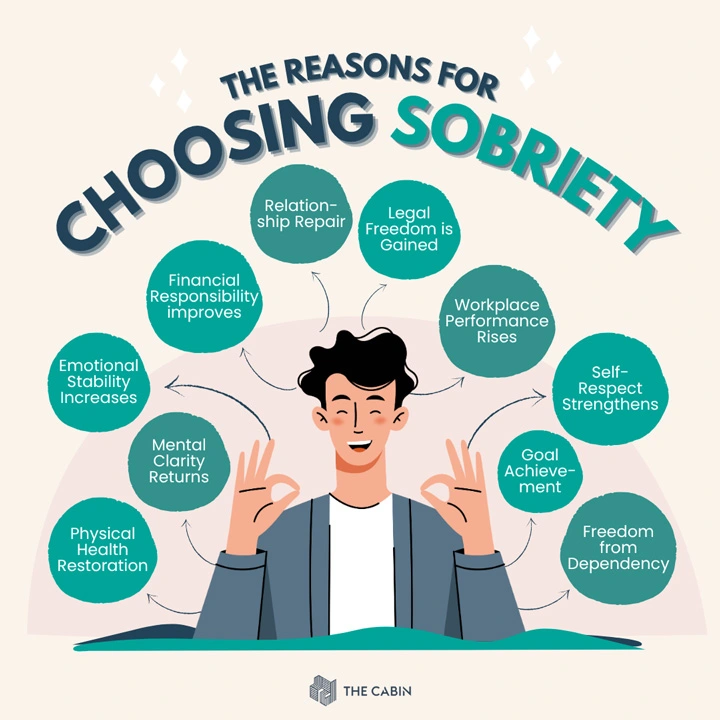
- Physical Health Restoration: Physical Health Restoration improves the function of vital organs, strengthens the immune system, and lowers the risk of disease. Removing toxins allows the body to repair damage caused by prolonged substance exposure, leading to better sleep, appetite, and physical strength.
- Mental Clarity: Mental Clarity returns when chemicals no longer cloud the brain. Decision-making becomes more rational, attention span improves, and memory strengthens. Sobriety helps stabilise brain chemistry, which supports long-term cognitive health.
- Emotional Stability: Emotional Stability increases as mood swings, irritability, and depressive episodes become less intense. The brain regulates emotions more naturally without chemical interference, leading to calm and balance in daily life.
- Financial Responsibility: Financial Responsibility improves once spending on substances, legal fees, and emergency care ends. Money is directed toward essentials, savings, or goals, creating long-term financial security and reducing stress.
- Relationship Repair: Relationship Repair becomes possible when lies, aggression, or neglect no longer influence behavior. Sobriety allows consistent communication, presence, and reliability, which help rebuild trust.
- Legal Freedom: Legal Freedom is gained by avoiding arrests, fines, and restrictions connected to substance-related offenses. A sober life reduces risk and helps maintain a clean record, which opens access to travel, work, and housing.
- Workplace Performance: Workplace Performance rises with sobriety as focus sharpens, punctuality returns, and errors decrease. A clear mind supports better collaboration, leadership, and advancement opportunities.
- Self-Respect: Self-Respect strengthens when actions reflect integrity and discipline. Sobriety leads to a sense of personal achievement and dignity, replacing guilt and shame with confidence.
- Goal Achievement: Goal Achievement becomes realistic through sober living. Focus, discipline, and consistency allow long-term plans to move forward without interruption or relapse.
- Freedom from Dependency: Freedom from Dependency restores control over time, thoughts, and priorities. Sobriety ends the compulsive cycle and allows life to be shaped by purpose instead of craving.
How to be Sober?
To be sober, follow the ten steps below.
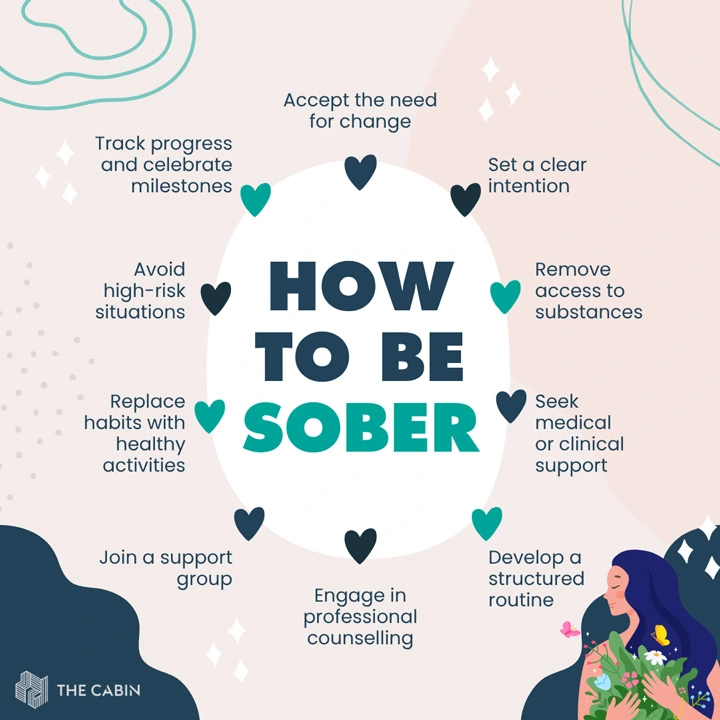
- Accept the need for change. Recognize that substance use has created harm and acknowledge the importance of living without it. The awareness becomes the starting point for a lasting transformation.
- Set a clear intention. Commit to a life without alcohol or drugs. A firm and defined choice brings direction and builds the mental strength needed for consistent progress.
- Remove access to substances. Eliminate alcohol or drugs from the home, workplace, or personal space. The physical separation reduces temptation and supports a clean environment.
- Seek medical or clinical support. Use detox programs or healthcare professionals to manage withdrawal safely. Structured care reduces physical risk and provides essential stabilization.
- Develop a structured routine. Build daily patterns that include healthy meals, rest, exercise, and meaningful tasks. Structure prevents boredom and limits unproductive time.
- Engage in professional counselling. Attend therapy or behavioral programs to address triggers, trauma, or negative habits. Therapeutic guidance improves self-awareness and emotional recovery.
- Join a support group. Connect with fellow members in recovery through meetings or peer groups. Shared experience fosters accountability and emotional connection.
- Replace habits with healthy activities. Introduce creative, physical, or skill-building tasks to fill time once spent on substance use. Productive alternatives strengthen resilience.
- Avoid high-risk situations. Stay away from places, people, or events linked to past substance use. Reducing exposure protects mental focus and behavioral consistency.
- Track progress and celebrate milestones. Record sober days, achievements, and personal growth. Acknowledging success boosts motivation and reinforces long-term commitment.
Is it possible to stay Sober without a Recovery Program?
Yes, it is possible to stay sober without a recovery program. Patients achieve lasting sobriety through personal discipline, lifestyle changes, strong social support, or spiritual conviction. The cases involve a clear decision to quit, strict avoidance of triggers, and the creation of new routines that support healthy behavior. Research in addiction psychology shows that self-recovery is less common but occurs among patients with high motivation, stable environments, or lower levels of physical dependency, according to John F. Kelly and M. Claire Greene in 2014. Sobriety remains achievable through personal methods if the commitment remains strong and consistent, while a recovery program improves success rates and provides tools for managing relapse.
Modern, Holistic, Effective
What are the Short-Term Benefits of Being Sober?
The short-term benefits of being sober are listed below.
- Improved Sleep Quality: Improved Sleep Quality occurs as the nervous system begins to stabilize. Substance-free sleep becomes deeper and more restorative, resulting in greater energy during the day. Sleep disruption decreases in early abstinence, according to the National Institute on Drug Abuse.
- Mental Clarity: Mental Clarity strengthens as toxins leave the brain, improving focus, memory, and thought organization. Measurable cognitive recovery within two weeks of sobriety in attention and decision-making, according to The Journal of Addiction reports.
- Stabilized Mood: Stabilized Mood results from more balanced neurotransmitter activity. Cravings, anxiety, and irritability begin to decline, creating emotional calm. Early abstinence with reduced depressive symptoms, according to the American Psychological Association.
- Increased Energy: Increased Energy develops as the body no longer wastes effort processing toxic substances. Digestion, metabolism, and circulation improve, leading to stronger daily performance. Fatigue decreases significantly in the first ten days of sobriety, according to clinical observations.
- Clearer Skin Appearance: Clearer Skin Appearance is visible within the first two weeks. Alcohol and drug use dehydrate the skin and reduce blood flow. The body begins to restore hydration and collagen function once the product is discontinued, which results in improved texture and color.
- Balanced Appetite: Balanced Appetite returns as substances no longer disrupt hunger cues or related to healthy digestion. Nutrient absorption improves, and natural eating rhythms begin to stabilize, leading to better nourishment and steady energy.
- Decreased Inflammation: Decreased Inflammation occurs as alcohol and drugs no longer stress the immune system. Inflammatory markers drop within a week of abstinence, according to a study published in the Journal of Neuroinflammation.
- Improved Daily Functioning: Improved Daily Functioning becomes evident as routines become more consistent. Waking on time, managing tasks, and maintaining responsibilities feel less overwhelming and more structured.
- Initial Emotional Confidence: Initial Emotional Confidence builds from early wins and daily success. Choosing sobriety and sticking to it produces a sense of achievement that strengthens early motivation and personal belief.
What are the long-term benefits of being Sober?
The long-term benefits of being sober are listed below.
- Restored Brain Function: Restored Brain Function supports improved memory, decision-making, and emotional regulation over time. Cognitive function improves steadily after one year of sobriety in executive function, according to research from the National Institutes of Health in 2017.
- Strengthened Immune System: Strengthened Immune System results from the absence of toxic exposure, allowing white blood cells and organ systems to function efficiently. Long-term abstinence restores immune defense mechanisms disrupted by chronic alcohol use, according to a study published in Alcohol Research by Pasala, Barr, and Messaoudi in 2015, titled “Impact of Alcohol Abuse on the Adaptive Immune System”.
- Improved Cardiovascular Health: Improved Cardiovascular Health develops as blood pressure normalizes, heart rate stabilizes, and arterial function improves. Sobriety reduces the risk of stroke, heart failure, and coronary artery disease, according to studies from the American Heart Association, which is titled “Alcohol and Cardiovascular Disease: A Scientific Statement,” 2018.
- Stable Mental Health: Stable Mental Health reflects the reduction in mood disorders and anxiety symptoms. Ongoing abstinence supports balanced neurotransmitter activity, reducing reliance on crisis interventions. Long-term symptom relief is possible through continued recovery, according to longitudinal data from the Journal of Substance Abuse Treatment.
- Career Advancement: Career Advancement becomes possible as productivity improves and professional conduct remains consistent. Sustained sobriety improves workplace trust, reliability, and promotion potential through focus and clear thinking.
- Healthy Relationships: Healthy Relationships develop through mutual trust, emotional presence, and accountability. Long-term sobriety removes patterns of deceit or neglect, allowing deeper bonds to form. Relationship quality improves steadily over time, as documented by behavioral research in family therapy journals.
- Financial Security: Financial Security grows with consistent decision-making, savings habits, and reduced emergency spending. Substance-free living lowers financial risk and promotes planning. Long-term sobriety with improved earning potential and debt reduction, according to the Department of Public Health.
- Emotional Maturity: Emotional Maturity becomes more evident as responses to conflict, stress, and disappointment become thoughtful and calm. Long-term sobriety supports resilience through self-awareness and inner control.
- Sense of Purpose: Sense of Purpose emerges through meaningful work, service, or personal goals. Time and clarity gained from sobriety create space to explore values and aspirations. A sense of purpose is strongly related to long-term recovery success, according to psychological studies.
- Extended Lifespan: Extended Lifespan reflects the lowered risk of fatal disease, overdose, or injury. Long-term sobriety directly supports survival. Abstinent patients face lower mortality rates across nearly all age groups, according to the Centers for Disease Control and Prevention.
Is Relapse common during early Sobriety?
Yes, relapse is common during early sobriety. The initial stage of recovery involves physical withdrawal, emotional instability, and the disruption of long-established behavioral patterns, which makes sustained abstinence difficult. The percentage of people in recovery who relapse is 40-60%, according to the National Institute on Drug Abuse. Early sobriety is characterized by intense cravings, low-stress tolerance, and a lack of coping skills, which increase the chances of returning to substance use. Brain imaging shows that cognitive control remains impaired during the early months, which weakens the ability to resist triggers. The relapse process is a frequent part of the recovery process and underscores the need for structure, support, and behavioral tools. Long-term success requires reflection, adjustment, and strategies built through the experience of relapse.
At The Cabin, We Support Your Recovery Journey
Together, we’ll empower you to rebuild your life and find the joy of living sober. Let The Cabin be your partner in recovery, as you create a brighter, healthier future.
