
The most common substances that teens get addicted to include alcohol, marijuana, prescription drugs, and nicotine. It is also common that there may be coinciding behaviours in addition to their substance addictions, such as gambling or excessive internet use. Early warning signs include sudden changes in behaviour, withdrawal from family and friends, and neglect of responsibilities, like schoolwork.
The effects of addiction on teens can be severe and may impact their physical, emotional, and social development. Physical health can worsen due to substance abuse, while emotional issues such as anxiety and depression become more prevalent. Addiction isolates teens, leading to strained relationships with family, friends, and peers. Treatment options can range from inpatient rehabilitation programs, outpatient therapy, individual therapy, and support groups. Recovery timelines vary, but involve long-term commitment, with a focus on gradual progress and relapse prevention.
Support systems play an essential role in a teen’s recovery. Family, friends, and peers offer vital emotional support, while schools and communities provide resources to aid recovery and prevent relapse. Parents and schools are key in prevention, creating environments where healthy choices are encouraged, and open conversations about substance use are normalised. Early intervention helps reduce the risk of a drug addict developing long-term addiction issues. Teens facing teen addiction require continuous support to overcome challenges and maintain a healthy lifestyle, free from the constraints of addiction.
How does Addiction Start in Teenagers?
Addiction in teenagers usually starts with curiosity and experimentation. Teens explore substances or behaviours due to the need to fit in or seek new experiences. Peer pressure plays a significant role, as friends or social groups influence their choices. Environmental triggers (stressful home situations or the availability of substances) can heighten the risk. Brain development in adolescence makes teens more susceptible to forming addictive habits. The prefrontal cortex, responsible for decision-making and impulse control, is not fully developed, making it harder for teens to recognise the consequences of their actions. The initial experiments can escalate into habitual use if not addressed, as the brain starts associating the substances or behaviours with pleasure. The lack of coping mechanisms and support may increase the likelihood of addiction evolving.
Why are Teens more Vulnerable to Addiction?
Teens are more vulnerable to addiction due to their brain immaturity. The prefrontal cortex, responsible for decision-making and impulse control, is not fully developed during adolescence. This impulsivity increases the likelihood of risky behaviours, without considering possible long-term consequences. Emotional instability is also common in teenage years, amplifying the need for external coping mechanisms, such as substances (prescription medications and illicit drugs). Peer pressure and social influences play a significant role in choices. Teens are more likely to be influenced by friends or societal trends, making it challenging to resist harmful behaviours. The combined factors (brain immaturity, impulsivity, emotional instability, and susceptibility to external influences) heighten their risk of developing addictive behaviours.
What Substances or Behaviours do Teens Commonly Get Addicted To?
The substances or behaviours that teens commonly get addicted to are listed below.

- Nicotine Use: E-cigarettes and vape pens that deliver nicotine through flavoured vapour. Many teens start with fruit or candy-flavoured options. Social pressure and targeted marketing increase early exposure and use.
- Cannabis Consumption: Marijuana remains a widely used drug among teens. Edibles and vape oils are replacing traditional smoking methods. Tetrahydrocannabinol (THC) concentrations in newer products are higher and more potent than ever before.
- Alcohol Intake: Underage drinking usually starts in social settings. Binge-drinking patterns may develop quickly. Access to alcohol through older peers contributes to early use.
- Prescription Drug Misuse: Painkillers like oxycodone and stimulants like Adderall are misused for pleasure or academic performance. Medications may be obtained without a prescription from family or friends. Misuse can lead to dependence or an accidental overdose.
- Inhalant Abuse: Household products (glue, aerosols, or cleaning sprays) are inhaled for a quick high. These substances cause short-term euphoria and long-term brain damage.
- Digital Media Overuse: Compulsive use of social media platforms creates patterns of dopamine-driven behaviour. Notifications, likes, and scrolling content can contribute to screen dependency.
- Gaming Addiction: Video game use becomes compulsive when playtime replaces school, sleep, or relationships. Online multiplayer games increase engagement through rewards and social interaction.
- Energy Drink Dependence: Frequent intake of highly caffeinated beverages disrupts sleep and heart function. Marketing companies often portray the drinks as performance improvers.
- Diet Pill Abuse: Weight-control supplements appeal to teens under body-image pressure. Stimulants found in diet pills can affect mood, appetite, and heart rate.
- Synthetic Drug Use: New substances like synthetic cannabinoids or “designer drugs” pose unpredictable risks. Names (Spice or K2) hide their chemical complexity and change their makeup frequently.
- Self-Harm Behaviours: Cutting, burning, or other methods act as unhealthy coping mechanisms. These behaviours accompany mental health struggles.
- Risky Sexual Behaviour: Engaging in unprotected or impulsive sex is closely associated with thrill-seeking or trauma responses. Sexual behaviour patterns, including easy access through the internet, fall under behavioural addictions and types of addiction.
Does Addiction Affect Teen Development?
Yes, addiction affects teen development. Emotional impacts may include heightened risk for anxiety, depression, and mood swings. Teens struggling with addiction may turn to substances as a way to cope with their emotional instability, leading to an ongoing cycle of negative emotions. Cognitive development is impaired, as addiction affects the brain’s ability to focus, make decisions, and process information. The prefrontal cortex, which controls impulse control and decision-making, is not fully developed yet, making teens more vulnerable to the consequences of addiction. Addiction also leads to physical health problems. Long-term substance abuse can stunt growth, harm organ function, and weaken the immune system.
Physical dependency can lead to withdrawal symptoms, making it harder for teens to focus on academics, physical activities, or building a healthy lifestyle. Social consequences include strained relationships with family and friends. Addiction isolates teens, making it difficult to form or maintain healthy social bonds. Peer pressure and the need to fit in deepen these issues by further promoting the cycle of addiction. Addiction disrupts the normal course of development, leaving long-term effects on a teen’s emotional, cognitive, physical, and social well-being. The combination (emotional instability, cognitive impairments, physical health deterioration, and social isolation) of the impacts creates significant challenges that can persist into adulthood.
What are the Early Signs of Teen Addiction?
The early signs of teen addiction are listed below.
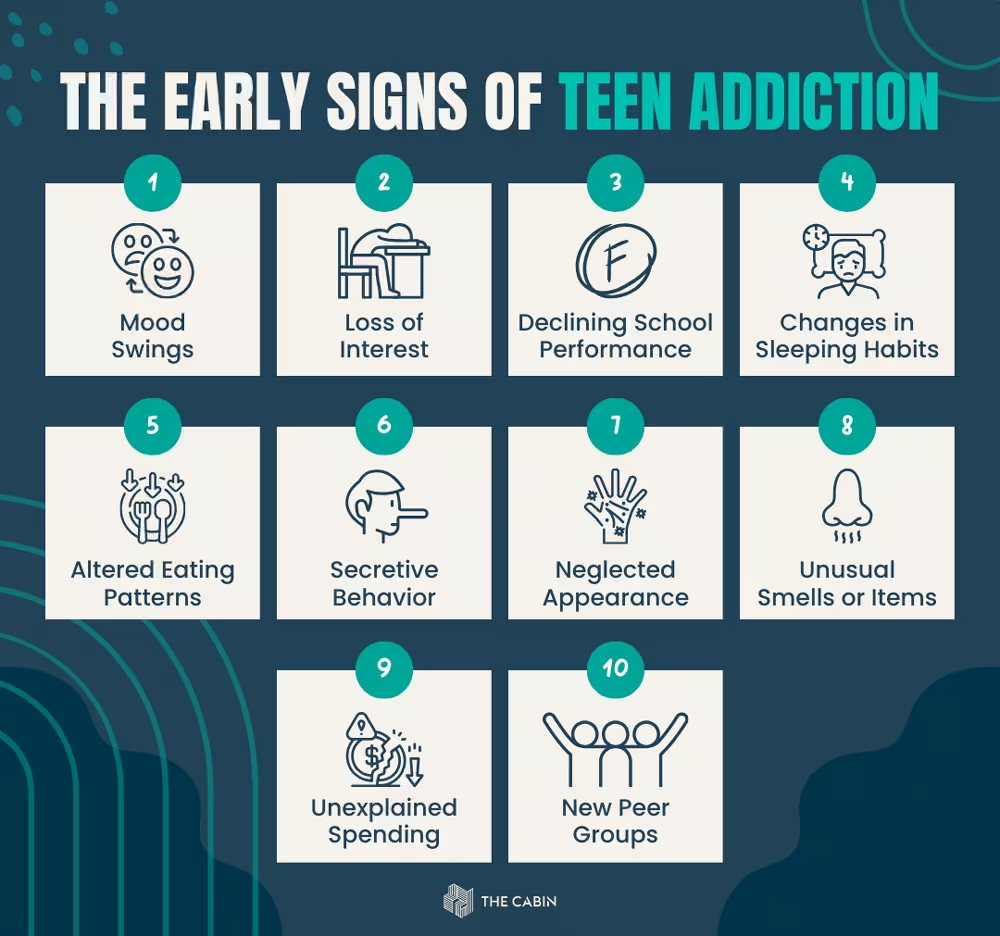
- Mood Swings: Emotional shifts that appear frequently and without a clear cause. Irritability, sadness, or aggression may increase during withdrawal or craving periods.
- Loss of Interest: Activities once enjoyed are no longer a priority. Sports, hobbies, or time with friends are replaced with isolation or risky behaviour.
- Declining School Performance: Grades drop without explanation. Missed deadlines, skipped classes, and a lack of focus reflect deeper issues.
- Changes in Sleeping Habits: Sleep becomes irregular or disrupted. Staying up all night and feeling exhausted during the day all point to unhealthy patterns.
- Altered Eating Patterns: Appetite increases or decreases noticeably. Weight changes happen rapidly without a medical reason.
- Secretive Behaviour: Private messages, hidden items, or lying become frequent. Avoidance of questions or sudden defensiveness are common.
- Neglected Appearance: Personal hygiene and grooming decline. Clothing choices may seem careless or used to hide physical changes.
- Unusual Smells or Items: Strong odours from clothes, breath, or bags raise concern. Paraphernalia like lighters, empty wrappers, or eye drops may appear.
- Frequent Requests for Money: Money disappears or is requested without a clear reason. Theft or unexplained spending begins to surface.
- New Peer Groups: Social circles change suddenly. New friends may avoid interaction with adults or encourage risky choices. Peer groups grow stronger over time and reflect underlying signs of drug use in teens when multiple changes appear at once.
How can Parents Tell if Their Teen Is Struggling with Addiction?
Parents can tell if their teen is struggling with addiction with the signs listed below.
- Secrecy: A sudden increase in secretive behaviour (locking doors or hiding activities) can indicate that a teen is hiding something.
- Mood Swings: Frequent mood swings, irritability, or extreme emotional reactions may signal struggles with addiction.
- Withdrawal from Family and Friends: Teens may isolate themselves from family or old friends, preferring to spend time with new groups that engage in risky behaviours.
- Dropped Grades: A noticeable decline in academic performance, lack of interest in school, or missed assignments may be linked to addiction.
- Skipping Classes: Regularly skipping classes or avoiding school-related activities could indicate a shift in priorities toward addictive behaviours.
- Neglect of Hygiene: A sudden lack of interest in personal appearance or neglecting hygiene can be a sign of deeper struggles.
- Changes in Sleep Patterns: Irregular sleep patterns (sleeping too much or too little) may indicate substance abuse or mental health issues.
- New Friendships: A teen may begin associating with a new group that encourages risky behaviour or substance use.
- Avoidance of Old Friends: Distancing from old friends or withdrawing from family interactions points to underlying issues.
- Engaging in Dangerous Activities: A teen may start engaging in risky behaviours, like driving recklessly or using substances in unsafe environments.
- Secretive or Risky Internet Use: Spending excessive time on devices, hiding online activity, or accessing inappropriate content may indicate unhealthy habits.
Worried
about
Your
Child?
What does Addiction Feel Like for a Teen?
Addiction for a teen feels overwhelming and uncontrollable. Cravings become intense, and the need for the substance or behaviour dominates thoughts and actions. Secretive behaviour increases as the teen hides their addiction from family and friends. Guilt follows, but it quickly fades once the addictive behaviour is resumed. Emotional highs and lows occur, as moments of euphoria are followed by feelings of emptiness or despair. The teen struggles with a loss of control, unable to stop despite knowing the negative impact on their life. Relationships and responsibilities suffer as addiction becomes the primary focus.
How Long Does It Take for a Teen to Become Addicted?
The time it takes for a teen to become addicted depends on several factors (type of substance, frequency of use, genetics, and the development of the brain). The substance being used plays a significant role, with some substances leading to quicker addiction, such as nicotine or alcohol. The frequency of use accelerates the process, as regular use can establish dependency faster. Genetics influences addiction risk, with some teens being more predisposed based on family history. The developing brain also plays a part, as the prefrontal cortex, responsible for decision-making and impulse control, is not fully mature during adolescence. The combination of these factors (decision-making) determines how long it may take for a teen to develop an addiction.
Why do Teens Experiment with Drugs and Alcohol?
 Teens experiment with drugs and alcohol for several reasons (curiosity, peer approval, coping with stress or trauma, and the influence of media). Curiosity drives many teens to try substances, as they seek new experiences or want to test boundaries. Peer approval plays a significant role, as friends or social groups encourage the behaviours. Coping with stress or trauma can lead teens to use substances as a way to escape or manage difficult emotions.
The influence of the media often normalises drug and alcohol use, making it seem glamorous or acceptable. These combined factors (curiosity and peer pressure) increase the likelihood of teens engaging in substance experimentation.
How do Peer Pressure and Social Media Influence Teen Addiction?
Peer pressure and social media influence teen addiction by normalising risky behaviour and encouraging acceptance through group approval. Teenagers may face pressure to fit in with friends who engage in substance use or addictive activities. Rejection becomes a fear, and imitation becomes a way to belong. Group settings increase the chance of trying drugs, vaping, or binge-drinking without understanding the consequences.
Social media increases exposure to addictive behaviour by glamorising drug use, vaping, or excessive partying. Influencers, celebrities, and peers share content that portrays the actions as fun or harmless. Filtered images and viral challenges mask the risks and attract attention. Likes and comments create a reward cycle that encourages repetition.
Viral trends involving alcohol, pills, or dangerous stunts spread quickly across platforms. Teens participate to gain popularity or avoid exclusion. Algorithms push similar content repeatedly, reinforcing the behaviour. Continuous exposure to the messages increases the risk of forming harmful habits.
What Role Does Mental Health Play in Teen Addiction?
Mental health plays a major role in teen addiction because emotional struggles lead to substance use as a coping mechanism. Anxiety, depression, and attention deficit hyperactivity disorder (ADHD) create intense feelings that some teens try to manage by self-medicating with drugs or alcohol. The relief gained is temporary, but reinforces the habit. Underlying conditions worsen as addiction takes hold, creating a toxic cycle that is hard to break.
 Depression increases vulnerability by lowering motivation and hope. Teens may isolate themselves or engage in risky behaviour to escape emotional pain. ADHD symptoms (impulsivity and difficulty focusing) raise the chance of experimenting with substances. Anxiety drives the need for calming effects and may push teens toward addictive behaviours.
Mental health problems and addiction feed into each other, making recovery more complicated without treatment. Each factor (anxiety and ADHD) amplifies the other, damaging brain chemistry and affecting emotional stability. Early intervention helps prevent long-term harm, and requires recognising how closely linked the issues like depression are.
What Family Factors Increase the Risk of Teen Addiction?
The family factors that increase the risk of teen addiction are listed below.
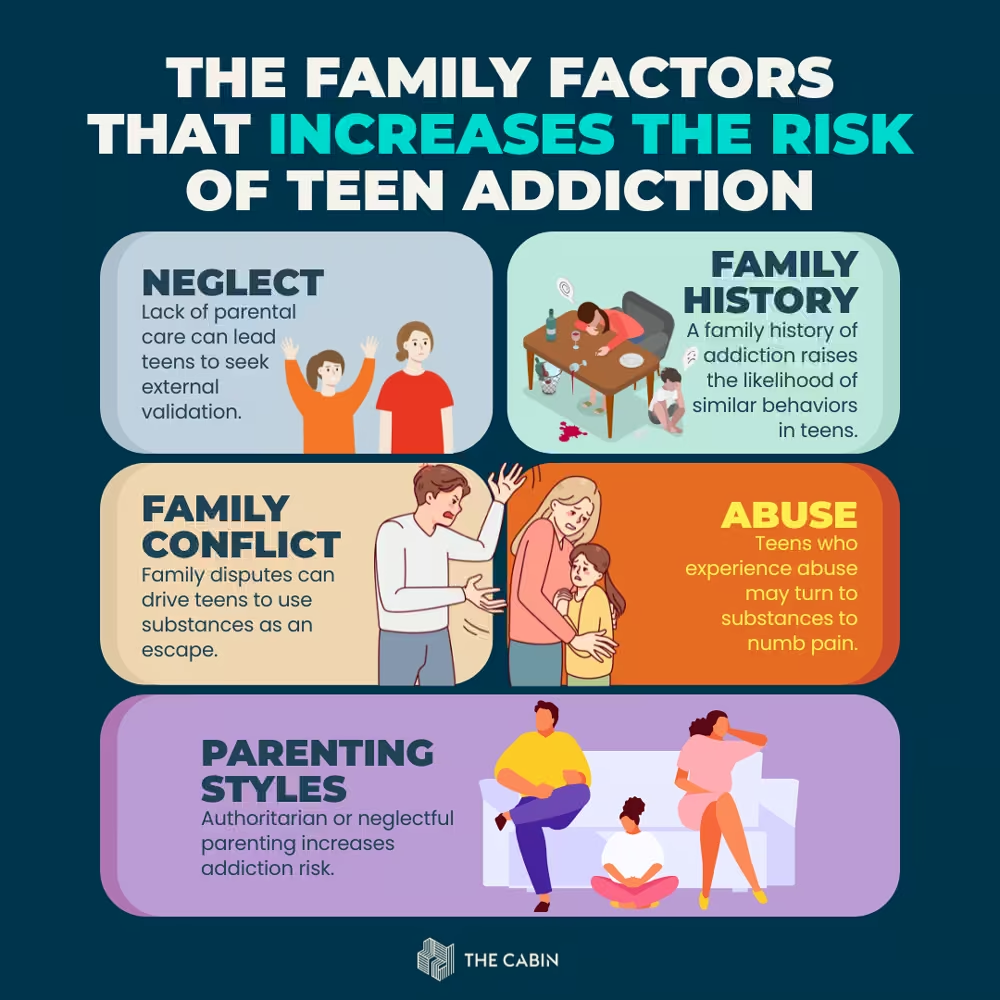
- Neglect: Lack of attention or care from parents increases the likelihood of a teen seeking external validation or comfort. Neglect can lead to feelings of low self-worth, making addiction seem like a way to cope. Addressing emotional needs and providing stable care can reduce the risk.
- Family History of Addiction: A family history of addiction increases the risk for teens to develop similar behaviours. Genetics and learned behaviours play a role in shaping a teen’s relationship with substances. Preventive measures include open communication about addiction and providing emotional support.
- Family Conflict: High levels of conflict in the family environment can drive teens to seek escape through substance use. Frequent arguments or tension make teens feel unsafe or unsupported. Reducing conflict and promoting healthy communication can lessen the temptation to turn to drugs or alcohol.
- Abuse: Experiencing physical, emotional, or sexual abuse increases a teen’s vulnerability to addiction. Abuse leads to emotional pain, which teens try to numb with substances. Addressing the trauma through therapy and support can help break the cycle of addiction.
- Parenting Styles: Authoritarian or neglectful parenting styles increase the risk of addiction. Harsh or absent parenting can equally create feelings of rebellion or neglect, prompting teens to use substances as a form of control or relief. Positive, involved parenting with clear boundaries and support can help reduce the risk of addiction.
What is the Best Treatment for Teen Addiction?

The best treatments for teen addiction are listed below.
- Therapy Options: Cognitive Behavioural Therapy (CBT) and Dialectical Behaviour Therapy (DBT) are both highly effective in treating teen addiction. These therapies help teens identify negative patterns and develop healthier coping mechanisms. Therapy provides essential tools for managing emotions and preventing relapse.
- Medical Detox: Medical detox is sometimes necessary for teens with severe substance dependence. It safely removes substances from the body under medical supervision and helps with managing withdrawal symptoms. Detox is the first step in the recovery process and prepares teens for long-term treatment.
- Youth-Focused Support Groups: Support groups (groups based on 12-step programs) offer peer support from others facing similar struggles. These groups create a sense of community, helping teens feel less isolated in their journey to recovery. Sharing experiences with peers promotes emotional healing and offers accountability.
- School Involvement: School-based programs provide additional support, integrating addiction treatment with educational goals. School counsellors can offer guidance, and programs can raise awareness and reduce stigma around addiction. A supportive school environment helps teens maintain focus on recovery and academics.
How Does Teenage Rehab Work?
 Teenage rehab works through dedicated, structured programs that help teens overcome addiction. Inpatient programs require teens to stay at a facility, away from home, providing 24/7 care and supervision. Outpatient programs allow teens to live at home while attending treatment sessions during the week. Counselling plays a key role in rehab by addressing the emotional and psychological aspects of addiction. Individual and group therapy sessions can also help teens identify triggers and develop coping skills.
Family involvement is essential, as it strengthens the teen’s support system and helps improve communication and understanding. Aftercare support is provided once the initial rehab is complete, ensuring teens stay on track and avoid relapse. Ongoing check-ins, therapy, and support groups offer continuous guidance for long-term recovery. The Rehabilitation therapy integrates the elements, creating a holistic approach to healing.

Young Men’s Programme
The Cabin’s specialised centre for young men with addiction and behavioural concerns based on physical activity to achieve recovery in Crete, Greece.
Can Teens Overcome Addiction on Their Own?
Yes, teens can overcome addiction on their own, but these efforts are rarely successful. Addiction rewires the brain and creates strong cravings. The difficulty of self-recovery stems from intense withdrawal symptoms and constant triggers. Relapse rates remain high without support or effective coping tools. Physical and emotional dependence make quitting alone extremely challenging.
External and professional help provides guidance, accountability, and practical strategies. Family involvement, counselling, and support groups increase the chances of success. Professional treatment addresses underlying issues and teaches relapse prevention. Early intervention reduces lasting damage and improves recovery outcomes. Teens frequently face serious barriers that limit their chances of lasting recovery if they do not have external support. Due to the complexity of brain changes, structured care is essential because of how tough addiction is to overcome alone.
How Long Does Teen Addiction Recovery Take?
Teen addiction recovery takes months to years, depending on the severity and the type of addiction. The process typically starts with detox, which removes substances from the body and manages withdrawal symptoms. Therapy is then used to address emotional and behavioural issues linked to addiction. Long-term recovery involves learning new habits, rebuilding relationships, and developing healthy coping skills.
Relapse prevention remains a critical stage throughout the recovery process. Teens must recognise triggers and use various strategies to avoid returning to old behaviours. Progress varies by individual; setbacks may occur, which require renewed efforts. Family support and professional guidance improve chances of sustained recovery.
What are the Best Ways to Support a Teen in Recovery?
The best ways to support a teen in recovery are listed below.
- Non-judgmental Listening: Listen actively without offering criticism. Show empathy and understanding, creating a space where the teen feels heard and valued.
- Healthy Routines: Encourage consistent daily habits (regular exercise, balanced meals, and adequate sleep). Regular routines help build a sense of stability.
- Involvement in Therapy: Ensure the teen participates in therapy sessions, whether individual or group therapy. Professional support is essential for supporting long-term recovery.
- Celebrating Progress: Acknowledging all achievements, both small and big. Recognising progress motivates the teen to stay committed to their recovery journey.
- Supportive Environment: Create a positive home environment by setting boundaries and promoting healthy interactions. A safe space fosters recovery.
- Engagement in Activities: Encourage hobbies or social activities that promote well-being. Engagement helps distract from negative thoughts and improves self-esteem. Engagement also aligns with effective Addiction Recovery Practices for supporting teens through recovery.
How can Parents Help Prevent Teen Addiction?
Parents help prevent teen addiction by maintaining open communication, supervision, and emotional support. Monitoring friendships and online activities reduces exposure to harmful influences. Providing consistent emotional support builds trust and resilience during stressful times. Modelling healthy behaviour demonstrates alternatives to substance use and risky habits.
Clear communication encourages teens to share challenges without the fear of judgment. Awareness of your teen’s peer groups helps identify negative pressures early. Emotional availability offers additional comfort and guidance when cravings or struggles arise. Leading by example shows the value of a balanced, substance-free lifestyle. Open communication and emotional support create a protective environment that lowers the chance of addiction. All of these actions reflect essential prevention strategies for addressing all types of addictions in youths.
Support
for
Parents
Hope for Teens
What are Healthy Alternatives to Risky Behaviours for Teens?
 Healthy alternatives to risky behaviours for teens are providing positive outlets like activities (sports), creative pursuits (art or music), and mind practices (meditation), as they help to reduce risky behaviours (drug and alcohol addiction). Sports offer physical activity, teamwork, and discipline that build confidence and focus. Creative hobbies like painting, music, or writing encourage self-expression and relieve stress. Mindfulness practices improve emotional regulation and promote calmness during challenges.
Volunteering connects teens with their community and fosters a sense of purpose. Positive peer activities create supportive social networks that discourage substance use. Each of these options helps replace harmful habits with constructive experiences. Engaging in activities (sports, painting, and meditation) supports resilience and healthy decision-making. Constructive outlets are great alternatives and powerful tools to preoccupy a teen’s attention against addiction.
How can Schools Play a Role in Preventing Addiction?
Schools can prevent addiction by providing education about risks and consequences. Comprehensive programs teach decision-making skills and promote awareness. Early intervention identifies students showing warning signs and can offer timely support. Providing access to counsellors gives teens a safe space to discuss challenges and receive guidance.
Peer mentorship programs encourage positive role models who influence healthy choices. Schools create environments that discourage substance use through clear policies. Engaging activities and clubs provide alternatives to risky behaviours. The efforts of teaching combined with supporting students with the right decision-making skills reduce vulnerability and support lasting prevention.
What Does Recovery Look Like for Teenagers?
Recovery for teenagers involves rebuilding trust, academic adjustments, developing new coping skills, and fostering personal resilience. Rebuilding trust with family and friends is a critical part of the recovery and healing process. Open communication, consistent honesty, and accountability play an essential role in regaining confidence from loved ones. Family counselling or group therapy can help bridge gaps caused by past behaviours, allowing for relationships to heal gradually. Academic adjustments may be necessary to help teens manage their studies while focusing on their recovery. Schools may provide individualised education plans or flexible schedules to reduce pressure and create a supportive learning environment. Educators and counsellors can collaborate to ensure the student maintains progress without becoming overwhelmed. Developing new coping skills helps teens handle stress and challenges without resorting to negative behaviours. Personal resilience builds as teens learn to face adversity and stay committed to their recovery journey. Resilience strengthens through consistent emotional support, realistic goal setting, and celebrating small milestones in recovery. These elements (trust, academic, and coping skills) work together to support long-term success and well-being.
How Can Teens Stay Motivated to Avoid Relapse?
 Teens stay motivated to avoid relapse by setting clear goals and establishing a sense of purpose. Goal setting helps them focus on their future and gives them something to strive for. Being part of a positive peer group creates a supportive environment where healthy behaviours are reinforced. Ongoing therapy provides continued guidance, helping teens manage challenges and stay on track. Avoiding triggers (old environments or negative influences) plays a significant part in staying committed to recovery.
Identifying potential relapse triggers early on and developing healthy coping strategies to manage them helps teens maintain their progress.
Can Teens Rebuild Their Lives After Addiction?
Yes, teens can rebuild their lives after addiction. Rebuilding their education or career path plays a necessary role in their ongoing recovery. Teens will eventually return to school or pursue job training, focusing on long-term goals that provide purpose. Strengthening family and community ties is essential for maintaining stability. Support from family and close-knit community networks encourages positive behaviour and helps restore trust. Using their recovery as motivation enables teens to stay committed to making healthier choices in all areas of their lives. They may find purpose in their recovery journey, using past experiences as a driving force to create a better future. These combined efforts foster resilience and equip teens with the tools to thrive post-recovery.
Empower Your Teen to Take The First Step
Every young life is worth the investment of care and connection, as recovery isn’t just about stopping—it’s about starting a future full of possibility.
While initial rehab attempts may not always succeed, tailored treatments often yield positive outcomes. Our youth-focused centre aims to provide relatable programs that support long-term recovery. If you would like to consult with one of our youth addiction experts, please feel free to contact us for a free consultation.
