
The five types of alcoholics are the functional, the young antisocial, the intermediate familial, the young adult, and the chronic severe subtype alcoholic. An alcoholic is defined as an individual who has a physical or psychological dependence on alcohol, leading to harmful drinking behaviors. Characteristics of an alcoholic include a loss of control over drinking, frequent cravings, and continued alcohol use despite negative consequences.
Different types of alcohol affect individuals in various ways, with stronger drinks like spirits leading to quicker intoxication compared to beer or wine. Factors that affect individuals include alcohol content, absorption rate, and behavioral impact. For example, spirits (vodka or whiskey) have a higher alcohol content and can cause faster intoxication compared to beer or wine. Beer or wine is absorbed more slowly. The variation in effects can influence decision-making, coordination, and behavior.
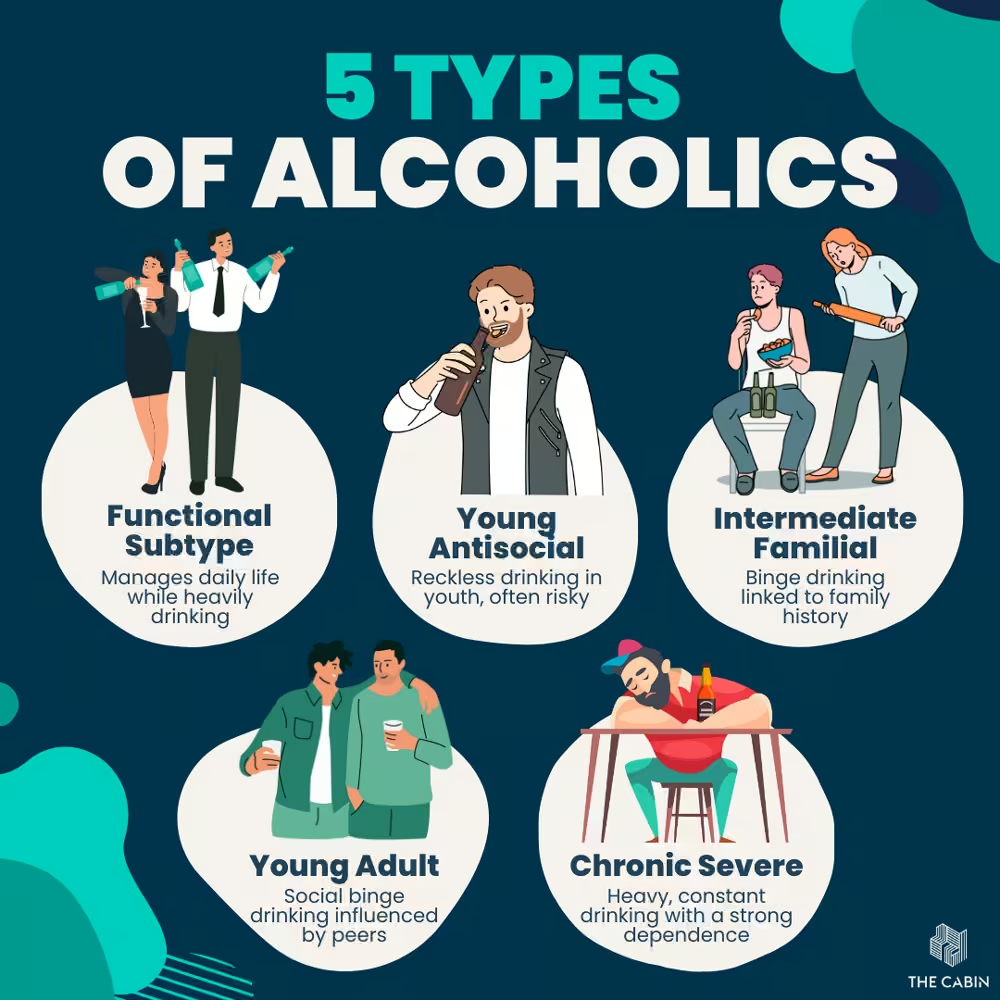
The five types of Alcoholics (2025) are listed below.
- Functional Subtype are high-functioning individuals who maintain careers and relationships. Drinking is hidden, with alcohol use becoming a coping mechanism. Alcoholics in the category can go unnoticed, but may struggle with private alcohol dependence.
- Young Antisocial Subtypes are individuals under 30, showing rebellious or criminal behavior. Their drinking is reckless, driven by peer influence or social pressure. Types of alcoholics in the category may face legal or personal consequences due to their drinking habits.
- Intermediate Familial Subtype are individuals in their 30s or 40s, with a history of alcohol use in the family. Their drinking begins in adolescence and becomes more problematic with age. The subtype experiences familial and social challenges, needing different types of alcohol treatment.
- Young Adult Subtype Alcoholic is common in individuals aged 18 to 30, who drink excessively at social events. These individuals may engage in binge drinking and experience long-term alcohol dependence. They are a significant part of the types of alcoholics found in younger populations.
- Chronic Severe Subtype Alcoholics are individuals who experience long-term alcohol dependence and severe physical and psychological consequences. Drinking is persistent, leading to health problems and relationship breakdowns. Treatment for the subtype may require intensive, different types of alcohol programs tailored to manage long-term addiction.
1. Functional Subtype Alcoholic
The functional subtype alcoholic is an individual who manages to maintain a job and social relationships despite their alcohol use. The age of onset occurs in early adulthood, around the age of 25 to 35. The drinking pattern is characterized by regular consumption in large quantities, but the individual can still function in daily life. There may be a family history of alcohol use or addiction, but it is not always the case. Causes of the subtype involve a mix of environmental stressors, work pressures, or using alcohol as a coping mechanism. Mental health disorders (anxiety or depression) are common, leading to alcohol use as a form of self-medication. Treatment seeking is less frequent, as individuals in the category may not recognize the severity of their alcohol use or are in denial. They are employed in stable jobs and may have completed their education, maintaining an outwardly normal life despite the underlying issue of alcohol dependence.
2. Young Antisocial Subtype Alcoholic
The young antisocial subtype alcoholic develops alcohol dependence during adolescence or early adulthood, with the onset occurring between the ages of 18 and 25. The drinking pattern is characterized by reckless and excessive consumption in social settings, leading to risky behaviors (driving under the influence or engaging in illegal activities). The subtype is marked by a family history of substance abuse or mental health issues, and the individual may have grown up in an environment where alcohol use was normalized or encouraged. The primary cause of the subtype is a combination of peer pressure, a desire for social acceptance, and impulsive behavior. Mental health disorders (conduct disorder, depression, or anxiety) are common, and these individuals may use alcohol as a means of coping with emotional struggles. Treatment seeking is low due to resistance to authority or a lack of awareness of the problem. These individuals are not stable in their employment or education, as their antisocial behaviors and alcohol dependence interfere with their ability to maintain responsibilities.
3. Intermediate Familial Subtype Alcoholic
The intermediate familial subtype alcoholic begins drinking in adolescence, with the onset occurring between the ages of 18 and 30. The drinking pattern in the subtype is regular and heavy, with binge drinking episodes that can escalate over time. There is a strong family history of alcoholism, which increases the likelihood of developing the subtype due to genetic and environmental factors. Causes of alcohol dependence in the group are linked to family dynamics, with individuals growing up in environments where alcohol use was prevalent or normalized. Mental health disorders (depression or anxiety) are common, and individuals may turn to alcohol as a coping mechanism for emotional struggles. Treatment seeking can vary. For example, some individuals may seek help due to the realization of their drinking problems, while others may not. Alcoholics in the subtype may have inconsistent employment or education histories, as alcohol use can disrupt their ability to maintain stable work or academic performance.
4. Young Adult Subtype Alcoholic
The young adult subtype of alcoholics develops alcohol dependence between the ages of 18 and 30. The drinking pattern is characterized by binge drinking and frequent consumption during social events, with occasional heavy drinking that does not immediately impact daily functioning. There may or may not be a family history of alcoholism, but social influences such as peer pressure and the desire for social acceptance play a significant role. Mental health disorders may not be as prevalent as in other subtypes, but issues like anxiety or depression can emerge over time due to the consequences of heavy drinking. Treatment seeking is initiated after individuals experience negative consequences, such as problems with relationships, work, or health. Individuals in the subtype are either employed or pursuing education, but their drinking habits interfere with their ability to maintain stability in these areas.
5. Chronic Severe Subtype Alcoholic
The chronic severe subtype alcoholic develops alcohol dependence in early adulthood, between the ages of 25 and 40, but can have a long history of alcohol use starting from adolescence. The drinking pattern is constant and heavy, with frequent binge drinking episodes and a strong physical dependency on alcohol. A significant family history of alcoholism is common, as genetic factors contribute to the development of the subtype. The causes of alcohol use are linked to deep-rooted emotional issues, chronic stress, and a long-term coping mechanism with life challenges. Mental health disorders such as severe depression, anxiety, and personality disorders are prevalent, and alcohol is used to self-medicate these conditions. Treatment seeking is driven by a crisis, such as health problems, legal issues, or relationship breakdowns, but seeking help is delayed due to denial or lack of recognition of the severity of the addiction. Employment and education are unstable, as the individual’s alcohol dependence severely affects their ability to maintain steady work or academic performance. The subtype is the most severe and requires intensive, long-term treatment to address alcohol dependence and underlying mental health issues.
What is an Alcoholic?
An alcoholic is someone who has a physical or psychological dependence on alcohol. Alcoholics exhibit compulsive behaviors related to drinking (an inability to control consumption or prioritize alcohol over other responsibilities). The condition leads to health problems, strained relationships, and difficulties in daily life. For example, an alcoholic addiction experiences frequent intoxication, withdrawal symptoms when not drinking, and neglects work or family obligations. Treatment involves therapy, support groups, and medical interventions to manage withdrawal and promote recovery.
What is Considered an Alcoholic?
Frequent drinking despite negative consequences, neglecting responsibilities, and struggling to control alcohol consumption are considered signs of being an alcoholic. Other traits include drinking alone, hiding alcohol use, experiencing withdrawal symptoms, and continuing to drink despite health issues. An alcoholic prioritizes alcohol over relationships and daily activities, losing interest in hobbies or work. These behaviors indicate a physical or psychological dependence on alcohol.
What Type of Drug is Alcohol?
Alcohol is a depressant drug. Specifically, it is a central nervous system (CNS) depressant, which means it slows down brain activity and affects how the brain communicates with the body. Alcohol reduces coordination, impairs judgment, and slows reaction times. It affects mood, making drinkers feel relaxed or uninhibited like a depressant drug, but leads to drowsiness or confusion. Prolonged use of alcohol disrupts normal brain function and leads to dependence or addiction.
What are the main Types of Alcoholic Drinks?
The three main types of alcoholic drinks are beer, wine, and spirits. Beer is made from fermented grains such as barley and has a lower alcohol content. Wine is made from fermented grapes and varies in sweetness and alcohol content. Spirits (hard liquor) are distilled beverages (vodka, whiskey, and rum) with a higher alcohol content. These drinks fall under the types of alcohol consumed in social settings, each offering different flavors and experiences.
Does the Type of Alcoholic Drink Influence the Type of Alcoholic someone becomes?
No, the type of alcoholic drink does not influence the type of alcoholic someone becomes. The drinking pattern, frequency, and individual factors (genetics and behavior) matter more. Consuming different types of alcohol leads to dependence if drinking is excessive or uncontrolled.
Does your
Drinking
cross
the line?
What Type of Alcoholic is most common?
The type of alcoholic that is most common is the young adult subtype of alcoholic. The young adult subtype of alcoholism is individuals between the ages of 18 and 30 with less severe alcohol dependence. They binge drink and engage in risky drinking behaviors. Peer pressure, social events, and experimenting with alcohol at a younger age contribute to the pattern. The young adult subtype is the most common because it tends to develop during early adulthood when social drinking is frequent, and individuals do not yet recognize the risks of excessive alcohol consumption.
Are different Types of Alcoholics treated differently?
Yes, different types of alcoholics are treated differently because treatment plans are adapted to the individual’s specific subtype and needs. While core treatments like therapy and support groups are commonly used, the intensity, duration, and focus of treatment are adjusted based on the individual’s subtype and needs. This approach is called personalized or individualized care, and it’s widely used in modern addiction treatment centers. Each subtype, such as young adult or chronic alcoholic, requires different strategies for adequate recovery.
How are different Types of Alcoholics categorized by professionals?
The different types of alcoholics categorized by professionals are based on age, drinking patterns, and the severity of alcohol dependence. Common categories include young adult, functional, intermediate familial, and chronic severe alcoholics. Professionals use assessment tools like the Alcohol Use Disorders Identification Test (AUDIT), CAGE questionnaire, and Diagnostic and Statistical Manual of Mental Disorders (DSM-5) criteria to evaluate drinking behaviors and diagnose alcohol use disorders. These tools help determine the appropriate treatment and recovery strategies.
Are the Symptoms of all Types of Alcoholics the same?
No, the symptoms of all types of alcoholics are not the same. The severity, frequency, and impact of these symptoms depend on the subtype. The common symptoms (cravings, loss of control, and withdrawal) can occur across all types. For example, young adult alcoholics may binge drink occasionally, while chronic severe alcoholics face constant alcohol dependence with more intense physical and psychological symptoms.
Can an Alcoholic change from one Type to another?
Yes, an alcoholic can change from one type to another. The changes can happen as their drinking patterns evolve. For example, a young adult alcoholic may develop into an intermediate familial alcoholic as they age and face more responsibilities, or a functional alcoholic may progress into a chronic severe alcoholic if their alcohol use becomes more consistent and harmful. Changes in lifestyle, environment, and treatment outcomes can all influence its shift.
Looking for Alcohol Addiction Treatment in Sydney?
The Cabin can help you and your loved one recover from alcoholism. As a top-rated rehab centre, we offer affordable and effective treatments that have transformed many lives. Don’t wait—take the first step towards a healthier future.
Take the First Step to Freedom and Start your New Life – Thousands Have, So Can You!
“This place has lifted me up from a rock bottom (suicide) state. With the support and advice given to me by the staff at the facility, I am well on the way to a great future. One I was never going to have if I hadn’t come to The Cabin.” – C
“I wake up almost every day in a happy disbelief that I am alive and that I don’t want a drink.” – J
