
Social Media Addiction includes compulsive use of online platforms that consumes attention and emotional energy, neglecting routines, relationships, and health. Addiction to social media has increased with smartphones and internet access. Addiction is a harmful dependence on an activity or substance. Raising awareness, recognizing early signs like neglecting responsibilities and emotional reliance on online feedback, and acting quickly can prevent worsening. Causes include psychological factors (emotional instability, low self-esteem, seeking approval) and technological prompts (notifications and personalized content).
Emotional signs include irritability or distress when access is limited, while behavioral symptoms involve feed checking, disinterest in other activities, or disruptions to work and personal life. “Addicts on social media” may be linked to a two- or threefold higher risk of suicidal thoughts or actions. Addressing digital dependence is urgent as it heightens mental health risks. Treatment includes cognitive behavioral therapy, mindfulness, education campaigns on risks, parental boundaries, and community support. The combined approach fosters self-control and resilience and reduces compulsive online behaviors.
Why is social media addictive?
Social media is addictive because it triggers the brain’s reward system through “likes and comments,” releasing dopamine and prompting users to keep returning. The continuous flow of content creates anticipation for the next interaction, making it hard to disconnect. Personal connections, entertainment, and updates offer emotional engagement comparable to real life.
What is Social Media Addiction?
Social Media Addiction develops through repeated, rewarding interactions that hijack the brain’s natural reward circuits. Social interactions (likes and comments) stimulate dopamine pathways in a way similar to how individuals experience them, affected by addictive substances, according to an article titled “Social media rewires young minds” by Laura Elin Pigott, dated 2025. The social media addiction boosts neural circuits linked to pleasure and reward. The repeated exposure can lead to neural pruning, which reinforces compulsive behaviors and diminishes self-control. The neural circuits rewire, turning casual browsing into a regular habit. The desire for online validation overrides logical decision-making, as emotional regulation and choices are influenced by algorithm feedback loops. The pattern is a continual pursuit of tiny social affirmations that shows profound psychological and neurological changes, linking social media addiction to other known behavioral dependencies.
When does Social Media become an addiction?
Social media becomes an addiction when it transitions from voluntary use to compulsive behavior, fueled by the brain’s reliance on feedback that triggers dopamine release and causes cravings. Extensive use can cause irritability, restlessness, or anxiety offline, prompting continued engagement despite negatives. The addiction type alters neural pathways, reducing impulse control and increasing distractibility. It harms routines, relationships, and mental health by prioritizing online over offline experiences. Reliance on digital validation undermines judgment and disrupts academic, work, or social life.
What are the Symptoms of Social Media Addiction?
The symptoms of Social Media Addiction are listed below.
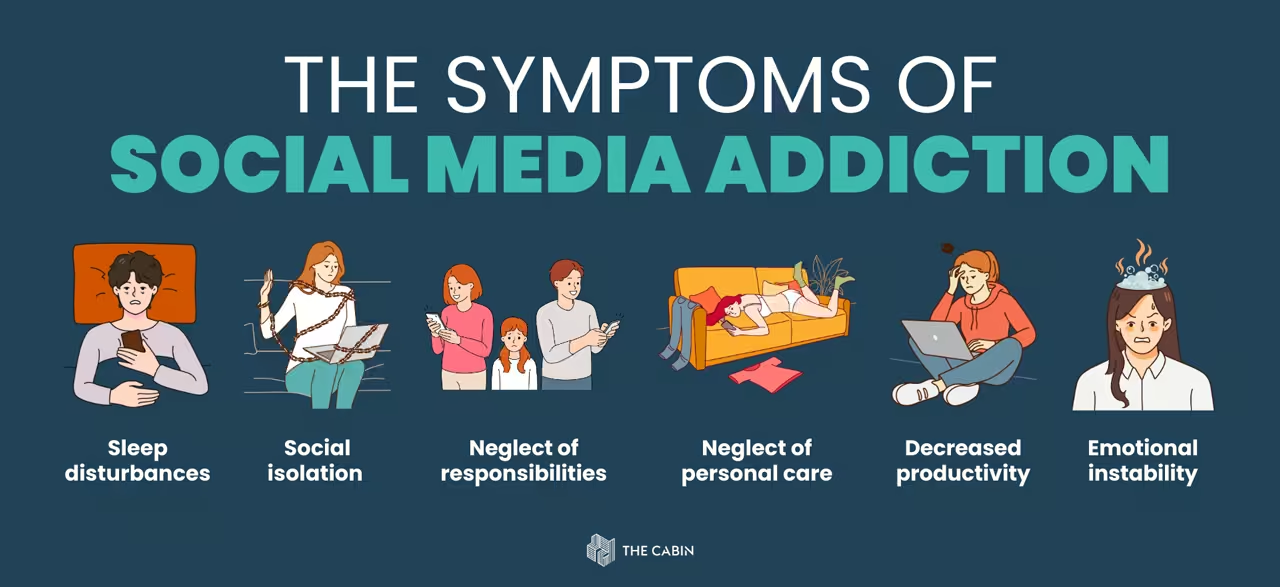
- Social isolation is a compulsive social media use that decreases in-person interactions, fostering emotional distance from friends and family. People displaying signs of social media addiction face a higher risk of isolation, as it diminishes personal connections, according to an article titled “Social Media Addiction Predicts Compromised Mental Health as well as Perceived and Objective Social Isolation in Denmark: A Longitudinal Analysis of a Nationwide Survey Linked to Register Data” by Ziggi Ivan Santini, et al., dated 2024.
- Irritability and anxiety from persistent engagement with platforms lead to heightened emotional reactivity, including short temper and anxious feelings when access is interrupted. It is one of the social media addiction symptoms that has higher irritability measures.
- Sleep disturbances caused by late-night checking of social feeds and emotional investment in content that interfere with restful sleep. Excessive nighttime social media use results in fatigue, fear of missing out, and degraded sleep quality.
- Decreased productivity brought on by continuous online engagement that distracts from tasks, reducing output and efficiency. Productivity is affected as it is linked to social media distractions.
- Neglect of responsibilities from the overuse of online content leads individuals to prioritize social media over duties (work, school, or household duties). Missed deadlines and overlooked tasks are common symptoms.
- Neglect of personal care as a result of continuous intense focus on online interactions, which can cause neglect of fundamental self-care activities. Ignoring hygiene and diet often accompanies addictive screen time habits.
Social media addiction is challenging to recognize because it resembles regular internet usage. Individuals use social media for work, socializing, and relaxation, which makes excessive use hard to notice. The problem is more evident when it interferes with responsibilities, relationships, or mental health, yet the person continues to prioritize online activities over other parts of life. The importance of early recognition of social media addiction can prevent lasting effects on brain health and emotions. Excessive use of social media may impact attention, decision-making, and impulse control. Detecting the issues early allows for interventions such as reducing screen time, creating schedules, and encouraging offline activities.
Stuck on
Social Media?
What Causes Social Media Addiction?
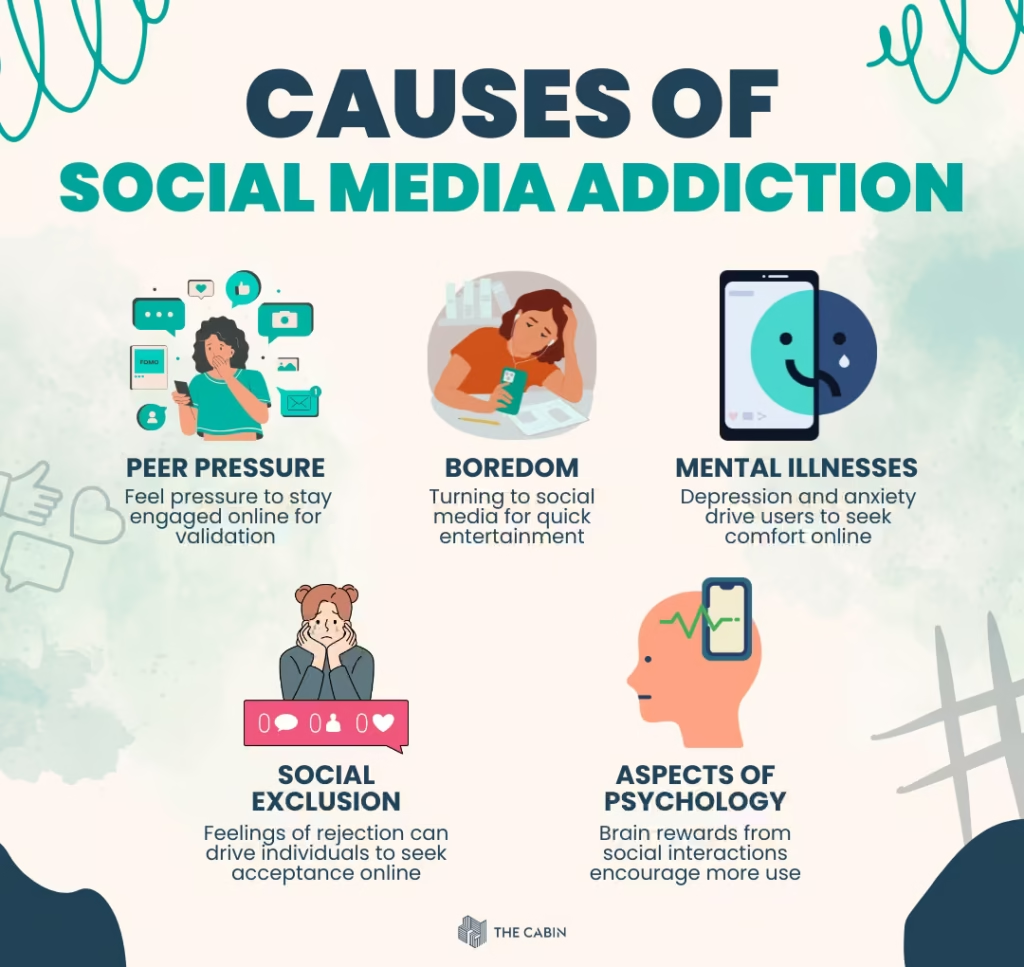
The causes of Social Media Addiction are listed below.
- Pressure from peers encountered in adolescence to engage using online platforms results in individuals facing heightened pressure to stay visible and engaged online. The external influence prompts continuous interaction and feeds an addictive pattern where validation from peers shapes behavior. Peer influence on mobile phone use significantly predicts social media addiction, with lower self-esteem and unclear self-identity amplifying that effect, according to the article titled “Peer pressure and adolescent mobile social media addiction: Moderation analysis of self-esteem and self-concept clarity” by Xiaopan Xu, et al., dated 2023.
- Boredom turns to social media for quick stimulation during unoccupied moments. The endless novelty offers a convenient escape from boredom and unwanted thoughts. An increased boredom correlates with more symptoms of social media addiction when controlling for other psychological traits, according to the article titled “Bored individuals are more likely to develop social media addiction” by Vladimir Hedrih, dated 2025.
- Mental illnesses are emotional distress caused by depression or anxiety that leads some individuals to seek comfort or distraction on social platforms. The temporary relief reinforces a dependence on digital interactions for managing emotions. There is a clear association between social media use and increased depression symptoms, according to the article titled “Association between Social Media Use and Depression among U.S. Young Adults” by Liu Yi Lin, et al., dated 2016.
- Social exclusion is an experience of being left out or rejected in real-life interactions that lead to increased online activity in search of acceptance through social media. The change in interest turns into a habit when digital connection seems more reachable than face-to-face interaction. Social exclusion heightens loneliness and decreases self-control, which results in higher smartphone addiction scores, according to the article titled “Exploring the relationship between social exclusion and smartphone addiction: The mediating roles of loneliness and self-control” by Heng Yue, et al., dated 2022.
- Aspects of psychology happen in reward-driven mechanisms, and habit formation supports compulsive digital behaviors, as the brain anticipates social rewards. The release of dopamine following likes, comments, or new content reinforces continued engagement, eventually turning into a habit. Social media platforms exploit the reward pathways to promote frequent checking and interaction scrolling, according to the article titled “The Role of Dopamine in Digital Addiction” by Urvee Nikam, dated 2024.
Is Social Media Addiction a Type of Internet Addiction?
Yes, Social Media Addiction is a type of internet addiction characterized by uncontrolled and compulsive usage of online platforms that impairs everyday responsibilities, relationships, and health. Social media addiction shares key features with other internet-based behavioral addictions (losing control over usage, neglecting responsibilities, and experiencing withdrawal symptoms) when access is restricted. Extended social media use is connected with adverse emotional, psychological, and social effects, including heightened stress, shorter attention spans, and disturbed sleep patterns.
Instant feedback via likes and comments, personalized content feeds, and the constant flow of fresh information lead to the compulsive usage of social media. The components stimulate the brain’s reward system, resulting in repeated usage and dependency. Similar techniques used to treat internet addiction are applied to manage social media addiction, including setting usage limits, seeking professional help when necessary, and replacing excessive online activity with constructive offline activities. Social media or Internet addiction leads to challenges in managing screen time, sleep disturbances, and lower productivity.
What are the Effects of Social Media Addiction?
The effects of Social Media Addiction are listed below.
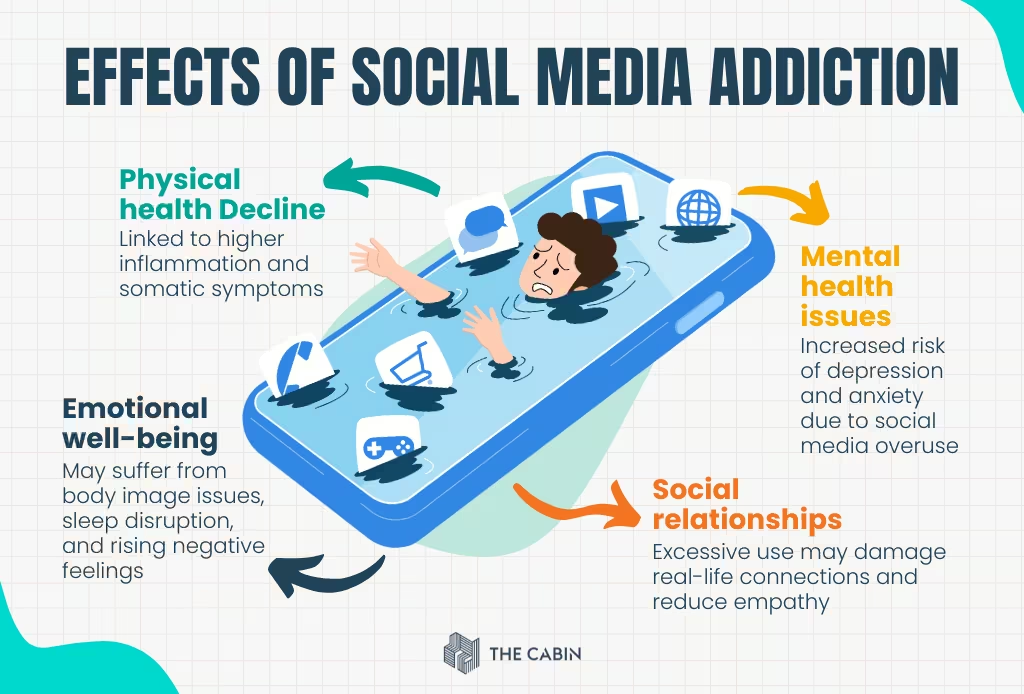
- Physical health is affected if social media addiction contributes to elevated markers of inflammation, physical symptoms, and healthcare visits. Higher social media engagement is linked to higher levels of C-reactive protein, headaches, chest and back pain, and frequent doctor visits, according to an article titled “Social media use associated with somatic symptoms and inflammation markers” by Bert Gambini, David Lee et al., dated 2022.
- Emotional well-being may suffer through body image concerns, sleep disruption, and rising negative feelings. Comparisons of physical appearance and poor sleep quality act as chain mediators between social media addiction and increased anxiety or depressive feelings, according to a research “The impact of social media addiction on the negative emotions of adolescent athletes: the mediating role of physical appearance comparisons and sleep” by Weilong Lin, et al., dated 2025.
- Mental health issues persist if problematic social media use is associated with increased risks of depression and anxiety, regardless of screen time duration. Systematic reviews reveal that social networking site overuse raises the risk for depression, anxiety, and psychological distress, according to an article titled “Social Media Addiction and Mental Health: The Growing Concern for Youth Well-Being” by Kenta Minamitani, dated 2024.
- Social relationships are affected when excessive use of social media can damage real-life connections, increase loneliness, and reduce empathy. College students averaging 15 hours on social media reported romantic dissatisfaction, indicating unfulfilled expectations despite loving their partners, according to the study titled “The Impact of Social Media Engagement on Friendship and Relationship Quality” by Brianna Clayton and Medha Talpade, dated 2024.
How does Social Media Addiction Impact Mental Health?
Social Media Addiction impacts mental health by increasing anxiety, depression, and psychological distress. Mental health outcomes are affected by addictive patterns characterized by compulsion and distress than by screen time. Individuals struggling with social media addiction report symptoms such as obsessive thoughts about social media, difficulty reducing usage, and feelings of stress or feeling upset when access is unavailable.
The addiction compromises daily functioning, disrupts sleep quality, and contributes to social isolation, all of which worsen mental health problems. Social media addiction is associated with suicidal thoughts and behavior in young people, according to the research titled “Addictive Screen Use Trajectories and Suicidal Behaviors, Suicidal Ideation, and Mental Health in US Youths” by Yunyu Xiao, PhD1 et al., dated 2025. Addiction elements, such as preoccupation with social media or inability to cut back, predict poorer mental health outcomes and suicide risk stronger than screen time alone.
Can’t Put
Your
Phone
Down?
When to See a Doctor for Social Media Addiction?
See a doctor for Social Media Addiction when the behavior begins to interfere with daily functioning, mental health, and relationships. Persistent use of social media despite negative consequences, such as declining academic or work performance, disrupted sleep patterns, and withdrawal from in-person interactions, signals a deeper issue that may require professional intervention. The problem may have escalated beyond self-management when the urge to check social media becomes uncontrollable and leads to feelings of anxiety, irritability, or depression when access is restricted.
Severe symptoms that require immediate consultation with a doctor include compulsive scrolling for extended hours, neglect of personal hygiene or nutrition, and intense emotional distress linked to online interactions. Experiencing panic attacks, suicidal thoughts, or complete social isolation due to social media use reflects a serious mental health concern. A healthcare provider can assess the situation, rule out underlying psychological conditions, and recommend appropriate treatment, which may include therapy, behavioral strategies, or medication. Early intervention helps prevent long-term consequences and supports recovery.
How is Social Media Addiction Diagnosed?
Social Media Addiction is diagnosed by a detailed and structured process conducted by qualified mental health professionals. The social media addiction diagnosis begins with clinical interviews, where the individual’s history of social media use, emotional attachment to online interactions, and previous attempts to reduce screen time are discussed in depth. Behavioral questionnaires and self-reporting scales are administered to measure patterns such as frequency of use, emotional dependency, and the extent to which online activity dominates daily routines. An assessment of daily life impact follows, determining whether the behavior has disrupted work responsibilities, education, social relationships, or personal well-being.
More evaluation involves the observation of compulsive patterns, such as an uncontrollable urge to check platforms, prolonged engagement beyond intended use, and distress when access is restricted. Mental health professionals proceed with an evaluation of co-occurring mental health disorders (depression, anxiety, or impulse control issues), which may influence the addictive behavior. The last step is that the collected data is compared against the Diagnostic and Statistical Manual of Mental Disorders, 5th Edition (DSM-5) and the International Classification of Diseases, 10th Revision (ICD-10). The comparison of diagnostic criteria from DSM-5 or ICD-10 to confirm whether the behavior meets the recognized standards for addiction-related disorders. The multistep approach ensures that the diagnosis is accurate, evidence-based, and reflective of the individual’s psychological and behavioral profile.
What are the Treatment Options for Social Media Addiction?
The treatment options for Social Media Addiction are listed below.
- Medication: Certain medications (antidepressants or antianxiety drugs) may be prescribed to manage underlying mood disorders that contribute to excessive social media use. These are typically used alongside therapy for better results.
- Family Therapy: The approach helps improve communication and support within the family, addressing conflicts or emotional triggers that encourage unhealthy online habits. The therapy is beneficial for adolescents or young adults.
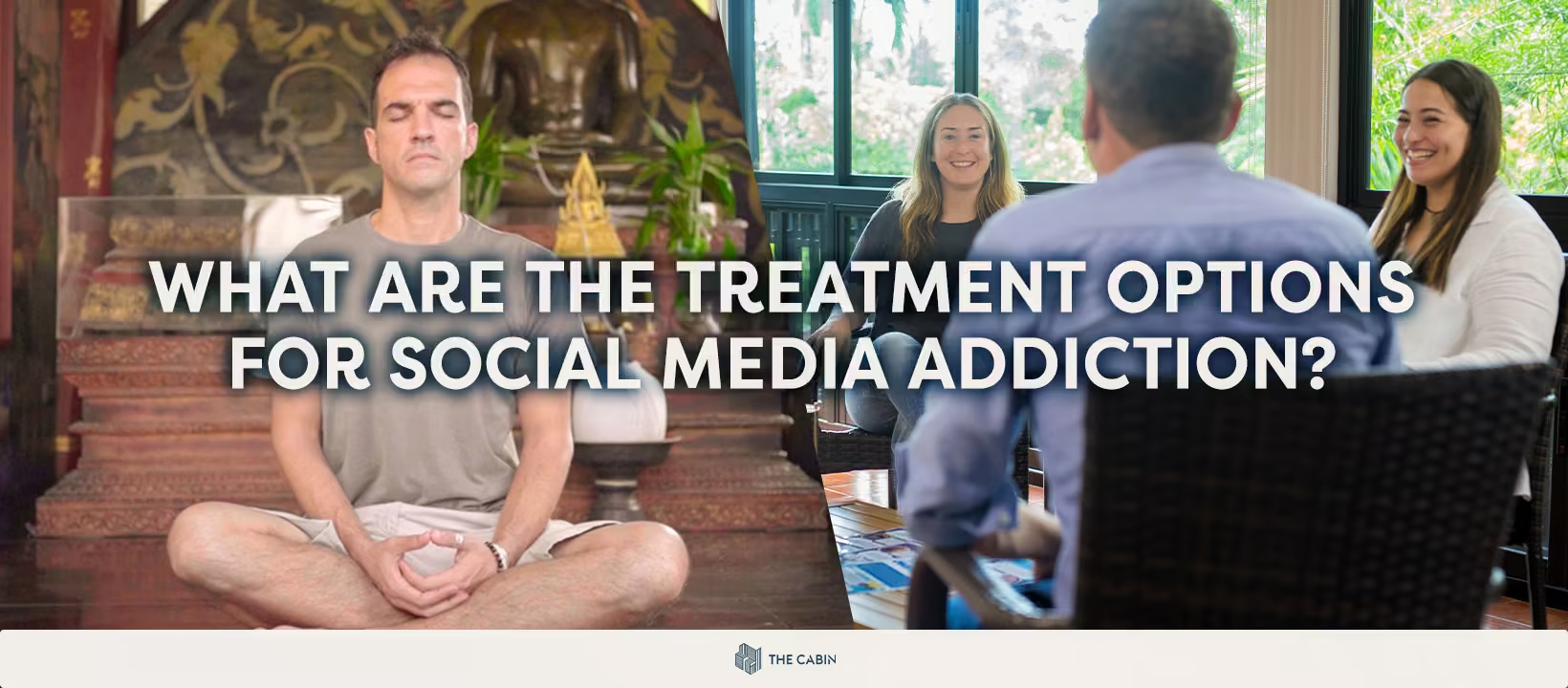
- Group Therapy: Participating in group therapy provides a supportive environment where individuals can share experiences and coping strategies. The social media addiction treatment reduces feelings of isolation linked to the addiction.
- Behavioral Therapy: The method focuses on identifying unhealthy patterns and replacing them with healthier activities or habits. The treatment includes setting limits and creating structured offline routines.
- App-Based Interventions: Mobile apps designed for digital wellbeing can track screen time, block access during certain hours, and encourage mindful technology use. The tools reinforce self-control and awareness.
- Cognitive Behavioral Therapy (CBT): CBT addresses negative thought patterns that fuel excessive social media use, replacing them with balanced and realistic thinking. The therapy teaches practical skills for resisting compulsive checking.
- Dialectical Behavior Therapy (DBT): DBT focuses on emotional regulation, distress tolerance, and mindfulness to help manage urges to use social media excessively. The social mediaholic treatment is helpful for individuals with intense emotional reactions.
Can Social Media Addiction be Treated in Rehab?
Yes, Social Media addiction can be treated in rehab. Rehabilitation becomes an appropriate option when the compulsive use of social media causes severe disruptions in daily responsibilities, relationships, and emotional health. A persistent pattern of neglecting personal, academic, or professional duties, along with withdrawal signs (irritability or anxiety) when offline, suggests the need for intensive support. Enrolling in a structured program creates a setting free from continuous digital triggers and offers expert guidance to break harmful behavioral patterns.
Rehab centers tackle social media addiction through a combination of behavioral therapies, counseling, and skill-building activities designed to restore balance and self-control. Treatment includes cognitive-behavioral therapy to recognize patterns that lead to excessive use, group therapy for sharing experiences and accountability, and mindfulness practices to improve emotional regulation. Programs focus on lifestyle changes as therapy for Social Media addiction, time management, and stress reduction techniques to develop healthier coping skills. Rehab programs provide individuals with the tools and support needed to regain control over their relationship with technology by integrating psychological approaches with structured routines.
Does Social Media Addiction Lead to Marriage Troubles?
Yes, Social Media Addiction leads to marriage troubles by disrupting emotional intimacy, communication, and trust between partners. Spending too much time on social media decreases the quality of shared moments, leading to emotional distance and weaker bonds in relationships. Extended focus on online interactions replaces personal connections, causing feelings of neglect, frustration, or resentment that build up over time. Secretive or emotionally charged messages with others generate suspicion, jealousy, or mistrust, putting strain on the partnership.
Comparing real life to the idealized images seen on social media causes dissatisfaction, skewing expectations and negatively affecting perceptions of the relationship. Persistent neglect, secrecy, and conflict driven by compulsive social media use lead to a cycle of arguments and emotional withdrawal. The conditions of marriage troubles make reconciliation difficult, as trust diminishes and emotional bonds weaken. An overemphasis on online interaction at the expense of meaningful face-to-face relationships fosters misunderstandings and long-term relationship stress, so moderating the use of social media has the effect of improving relationship quality.
Reclaim Your Life from Social Media!
If you, your partner, or your child is struggling with social media addiction, The Cabin Sydney is here for you. Our dedicated team offers personalised counselling, engaging group therapy, and family sessions to support your recovery. Contact us today to start your journey to a healthier relationship with technology!
