
Dopamine addiction occurs when substances overstimulate the brain’s reward system, leading to excessive dopamine release and reinforcing addictive behaviours. Drugs that affect dopamine (cocaine and methamphetamine) trigger intense euphoria by hijacking natural dopamine pathways.
This type of overstimulation reduces the brain’s sensitivity to natural rewards, resulting in tolerance, dependence, and the reinforcement of compulsive drug use. Recovery from dopamine addiction involves detoxification, therapy, medication-assisted treatment (MAT), and support groups, which help restore normal dopamine function and address the psychological aspects of addiction. Genetics, environmental influences, and mental health conditions are some contributing factors that can increase the risk of addiction. A comprehensive treatment approach that considers each of these factors is essential for successful recovery.
What is dopamine?
Dopamine is a chemical in the brain that helps nerve cells communicate with one another. Dopamine functions as a neurotransmitter and a hormone, by working alongside other substances like epinephrine and norepinephrine. These hormones are released by the adrenal glands located near the kidneys, while dopamine is independently produced and released by the hypothalamus.
Dopamine plays a significant role in regulating mood, motivation, and the internal reward system, influencing how patients experience pleasure and drive. Recent advancements in neurobiology have improved the understanding of addiction. Long-standing beliefs about addiction focused on the idea that patients simply lacked the willpower to stop using drugs. It is now known that drug abuse alters the brain’s chemical structure, leading to addiction. These changes contribute to the development of dependency, offering valuable insights into the biological mechanisms behind addiction by examining how the brain responds to different substances.
How Does Drug Abuse Affect the Brain?
The brain sits at the epicentre of human activity. In order to do, feel or think anything, the brain is involved. It is the communication centre for the rest of the body, constantly sending out messages to different parts of the body through neurons, neurotransmitters, receptors and transporters.
When it comes to drug abuse, the regular communication pathways are interrupted. The National Institute of Drug Abuse (NIDA) explains it as follows:
“Drugs are chemicals that affect the brain by tapping into its communication system and interfering with the way neurons normally send, receive, and process information. Some drugs, such as marijuana and heroin, can activate neurons because their chemical structure mimics that of a natural neurotransmitter. This similarity in structure “fools” receptors and allows the drugs to attach onto and activate the neurons. Although these drugs mimic the brain’s own chemicals, they don’t activate neurons in the same way as a natural neurotransmitter, and they lead to abnormal messages being transmitted through the network. Other drugs, such as amphetamine or cocaine, can cause the neurons to release abnormally large amounts of natural neurotransmitters or prevent the normal recycling of these brain chemicals. This disruption produces a greatly amplified message, ultimately disrupting communication channels.”
What Role does Dopamine Play in Addiction?
The role dopamine plays in addiction is central to the brain’s reward system, which regulates pleasure, motivation, and craving. Dopamine is responsible for signalling pleasure when a patient engages in rewarding activities, reinforcing the behaviours. This process creates a positive feedback loop, encouraging repeated engagement in activities that lead to pleasure. However, dopamine’s function extends beyond pleasure. It is essential in driving motivation, goal-directed behaviours, and intensifying cravings. It creates the desire to seek out pleasurable experiences, making it a key player in the pursuit of all types of rewards. Drug abuse alters dopamine’s normal function in the brain in the context of addiction. Repeated substance use leads to changes in the brain’s reward circuitry, causing the system to become desensitised.
This type of desensitisation means that more of the substance is required to achieve the same level of pleasure, escalating the craving for the substance. Dopamine no longer simply regulates natural motivation, and instead drives compulsive behavior and persistent craving. The shift in dopamine’s function is a fundamental aspect of addiction, as it fuels the cycle of dependency and reinforces the desire for the substance despite negative consequences. The Stages of Recovery from Addiction are essential in addressing the changes. Detoxification helps the brain begin to recover by removing the substance from the body. Rehabilitation then focuses on therapeutic interventions to re-establish normal dopamine function, reducing cravings and compulsive behaviors. Long-term maintenance involves ongoing support (therapy and peer groups) to ensure that the brain gradually returns to a more balanced state.
Why is Dopamine Called the “Reward Chemical”?
Dopamine is called the ’Reward Chemical’, because it plays an essential role in the brain’s reward system. Dopamine is released during activities that bring pleasure or satisfaction (eating, socializing, or achieving goals). The release of dopamine generates feelings of joy and reinforces behaviors associated with the rewards. These positive reinforcements encourage patients to repeat the actions that triggered the dopamine release, establishing a cycle of reward-seeking behavior. Dopamine is not involved in only pleasure, but in motivation and goal-directed behavior as well. Dopamine fuels the desire to pursue rewards, increasing the drive to engage in activities that offer gratification. Its role in reinforcing rewarding experiences explains why dopamine is referred to as the ’reward chemical’.
Dopamine is called the ’Reward Chemical’, because it plays an essential role in the brain’s reward system. Dopamine is released during activities that bring pleasure or satisfaction (eating, socializing, or achieving goals). The release of dopamine generates feelings of joy and reinforces behaviors associated with the rewards. These positive reinforcements encourage patients to repeat the actions that triggered the dopamine release, establishing a cycle of reward-seeking behavior. Dopamine is not involved in only pleasure, but in motivation and goal-directed behavior as well. Dopamine fuels the desire to pursue rewards, increasing the drive to engage in activities that offer gratification. Its role in reinforcing rewarding experiences explains why dopamine is referred to as the ’reward chemical’.
Is Your
Habit
Becoming
A problem?
How does Drug Abuse Affect the Brain?
Drug abuse affects the brain by interrupting its regular communication pathways. The brain sits at the epicentre of human activity. The brain is involved in doing, feeling, and thinking. It is the communication centre for the rest of the body, sending out messages to different parts of the body through neurons, neurotransmitters, receptors, and transporters. Regular communication pathways can be interrupted when drug abuse is taking place. Drugs are chemicals that affect the brain by tapping into its communication system and interfering with the way neurons send, receive, and process information. Marijuana and heroin both activate neurons because their chemical structure mimics that of a natural neurotransmitter.
The similarity in their structure ‘fools’ receptors and allows the drugs to attach onto and activate the neurons. The substances don’t activate neurons in the same way as a natural neurotransmitter, and their presence leads to abnormal messages being transmitted through the network, although the drugs mimic the brain’s own chemicals. Amphetamines or cocaine cause the neurons to release abnormally, by sending large amounts of natural neurotransmitters, or by preventing the normal recycling of the brain chemicals. This disruption produces a greatly amplified message, directly affecting communication channels, according to the National Institute of Drug Abuse (NIDA).
What Parts of the Brain are Affected by Drug Use?
The parts of the brain affected by drug use are listed below.
- Prefrontal Cortex: The prefrontal cortex is responsible for decision-making, impulse control, and regulating behaviour. Drug use affects these areas by impairing judgment, reducing self-control, and leading to compulsive behaviour. The disruption makes it difficult for patients to make sound decisions and control urges, which contributes to addiction.
- Amygdala: The amygdala is involved in processing emotions (fear and pleasure) and plays a role in emotional memory formation, helping the brain respond to emotionally charged stimuli. Drug use alters the amygdala’s function, intensifying emotional responses and increasing the chance of cravings, which can lead to a stronger desire for substances to help regulate mood or emotional states. These alterations contribute to the emotional instability often seen in addiction.
- Hippocampus: The hippocampus plays a role in memory formation and learning, helping the brain process and store new information. Drug use impairs the hippocampus, which hinders memory retention and the ability to form new learning pathways. These types of impairments make it more challenging to recall negative experiences or lessons from past substance use, reinforcing the cycle of addiction.
- Nucleus Accumbens: The nucleus accumbens is a central part of the brain’s reward system, playing an essential role in processing pleasure and reinforcing rewarding behaviours. Drug use affects this area by flooding it with dopamine, creating intense feelings of euphoria. Repeated drug use disrupts the brain’s natural dopamine regulation, leading to addiction, as the brain becomes reliant on the substance to trigger more pleasurable sensations.
- Basal Ganglia: The basal ganglia control motor functions and habit formation, helping regulate movement and the development of routines. Drug use alters the functioning of the basal ganglia, making it more challenging to break harmful habits, as it also reinforces compulsive behaviours. The disruption contributes to the persistence of drug-seeking behaviour, further entrenching the cycle of addiction.
How does the Brain’s Reward System work?
The brain’s reward system works by processing pleasurable stimuli and motivating behaviours that lead to rewards. The human brain is a network of structures that reinforce actions essential for survival (eating, social interaction, and reproduction). The system creates feelings of pleasure, which encourages the repetition of the beneficial behaviours. The nucleus accumbens, prefrontal cortex, and amygdala are all key areas involved in the reward system. The nucleus accumbens plays a central role in processing rewards, while the prefrontal cortex is involved in decision-making and impulse control. The amygdala is responsible for emotional responses, tied to the rewarding experience.
Neurotransmitters (dopamine) play a significant role in the reward system by transmitting signals between neurons during rewarding experiences. Dopamine is released when a patient engages in activities that bring pleasure, reinforcing the behaviour and creating a sense of euphoria. This chemical release strengthens the association between the activity and positive feelings, making it more probable for the behaviour to be repeated. Dopamine’s involvement in the reward system is central to motivation, driving patients to seek out rewarding experiences. Dopamine plays a key role in addiction, as substances that stimulate dopamine release hijack the brain’s reward pathways, leading to ongoing compulsive behaviours.
How does Drug Abuse Impact the Brain’s Reward System?
Drug abuse impacts the brain’s reward system by overstimulating dopamine release. Cocaine, methamphetamine, and heroin trigger the brain to release large amounts of dopamine, creating intense feelings of euphoria. It is in direct contrast to natural rewards (food, social interaction, or exercise), which produce a moderate release of dopamine. Drug-induced dopamine surges overwhelm the system, causing an unnatural and exaggerated response. When working properly, natural rewards promote healthy motivation and behaviour.
Repeated drug use leads to long-term alterations in the brain’s normal functioning. The brain becomes dependent on the artificial dopamine surge provided by drugs, causing the natural production of dopamine to decrease. Patients experience a diminished ability to feel pleasure from everyday activities, a condition known as anhedonia. The brain adapts to chronic overstimulation by adjusting its chemical balance, reducing the number of dopamine receptors, or making them less sensitive. This change makes it harder for patients to experience pleasure without the substance, reinforcing the cycle of addiction and increasing the need for higher doses to achieve the same effect.
Think
You may have
an addiction?
What Happens to Dopamine Receptors in Addiction?
Overstimulation and downregulation happen to dopamine receptors in addiction due to the repeated use of addictive substances. Drugs cause an excessive release of dopamine, leading to overstimulation of the dopamine receptors. The constant overstimulation of the receptors triggers intense feelings of pleasure and reinforces the addictive behaviours. The brain adapts to the continuous surge by downregulating the dopamine receptors, making them fewer or less sensitive. The brain then becomes less responsive to natural dopamine level;s as a result, it requires larger doses of the substance to achieve the same pleasurable effects. This unfortunate process contributes to the cycle of addiction, as it becomes difficult to experience satisfaction from regular rewards without the substance.
Can Dopamine Receptors be Damaged by Drug Use?
Yes, dopamine receptors can be damaged by drug use. Dopamine receptors play a significant role in the brain’s reward system by receiving and responding to dopamine signals, which regulate pleasure, motivation, and the reinforcement of rewarding behaviours. Repeated drug use overstimulates the receptors, leading to an excessive release of dopamine. The brain adjusts to these changes by downregulating the number of dopamine receptors or reducing their sensitivity. Downregulation results in a reduced ability to respond to natural dopamine signals, making it harder to experience pleasure from everyday activities. The difference between ‘damage’ and ‘desensitisation’ lies in the extent of the change.
Desensitisation refers to the reduction in receptor sensitivity, meaning they are less responsive to dopamine, but are still functional. Damage to the receptors involves actual physical harm or the loss, which impairs the brain’s ability to process dopamine signals altogether. Receptor damage has long-lasting effects, making it more difficult to restore normal dopamine function. Desensitisation is reversible over time, with abstinence and ongoing recovery.
Can Dopamine Receptors Heal After Addiction?
Yes, dopamine receptors can heal after addiction. The brain exhibits plasticity, meaning it reorganises and recovers to some extent if there is sustained abstinence from substances. Recovery potential is supported by a variety of factors (maintaining a healthy lifestyle, including proper nutrition, regular exercise, and adequate sleep). Each of these practices supports brain health and improves the brain’s capacity to heal. Healing is a gradual process, and time frames for recovery vary from person to person. Partial recovery of receptor function begins within weeks or months of abstinence. It may take much longer for a full recovery. Full recovery of dopamine receptor sensitivity and function takes one to two years, depending on the severity of the addiction, the patient’s circumstances, and the level of support received during recovery. Healing is possible, but it requires consistent efforts and time for the brain to regain its ability to process dopamine at normal levels after drug use has altered its natural functioning.
How does Tolerance Lead to Addiction in the Brain?
Tolerance leads to addiction in the brain by causing the brain to become less responsive to a drug after repeated use. It then requires larger amounts of the drug to achieve the same effect. The brain adapts to the presence of the drug by reducing its sensitivity through the reduction of dopamine receptor sensitivity or the number of receptors. The individual needs higher doses to experience the same euphoric effects as the brain adjusts. This creates a cycle of increased consumption. The cycle of tolerance contributes to a person’s physical and psychological addiction. Physical addiction develops when the body becomes dependent on the drug to function, often resulting in withdrawal symptoms when the drug is not available. Psychological addiction occurs when the brain craves the drug for its emotional and mental effects, reinforcing the desire to continue using it. Physical and psychological dependence intensify as tolerance builds, making it difficult to stop using the substance and further entrenching the cycle of addiction.
What Other Factors Contribute to Addiction?
The other factors that contribute to addiction are listed below.
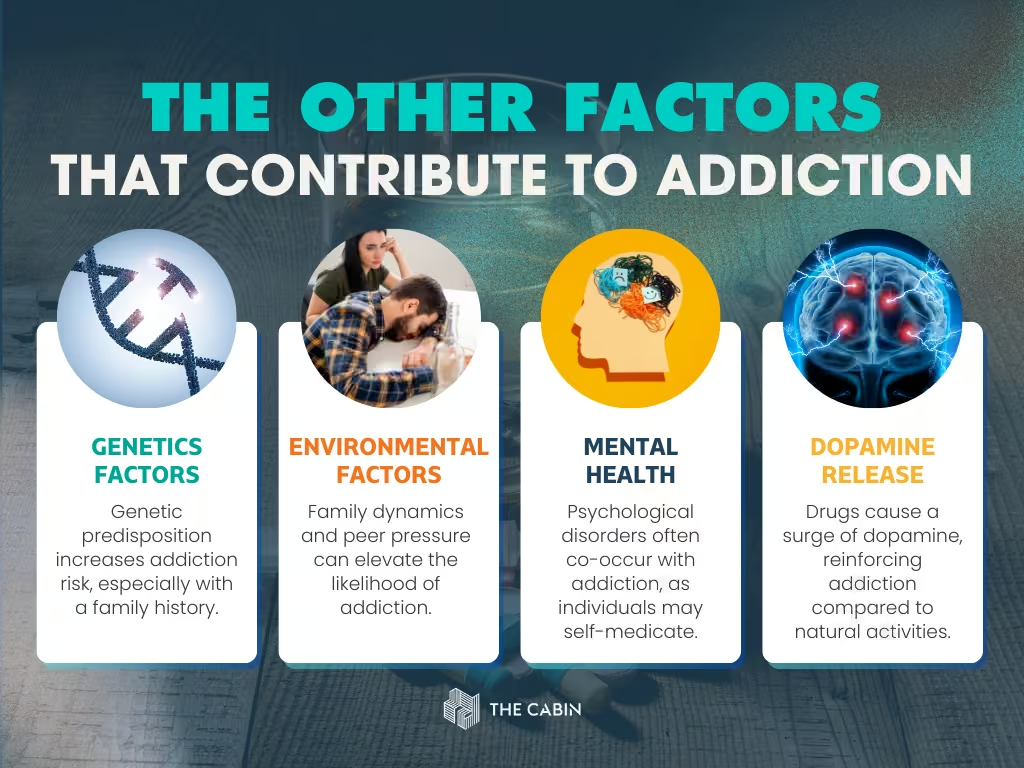
- Genetics: Genetic factors play a significant role in addiction vulnerability by influencing how an individual’s brain responds to substances. Certain genetic variations make the brain’s reward system more sensitive to drugs, increasing the possibility of addiction. Patients with a family history of addiction are more prone to develop substance use disorders, suggesting a hereditary component in the development of addiction. The genetic predispositions, combined with environmental and psychological factors, contribute to the complex nature of addiction.
- Environmental Factors: External factors (family dynamics, social environments, and peer pressure) contribute to addiction. Growing up in a household where substance use is prevalent or by experiencing traumatic events increases the probability of developing addiction. For example, patients exposed to substance use at a young age or patients facing chronic stress are at higher risk.
- Mental Health: Psychological disorders (depression, anxiety, and PTSD) co-occur with addiction. People may use substances to self-medicate and manage the symptoms of their conditions. The cycle of addiction becomes harder to break, as mental health issues are intertwined with substance abuse.
- Dopamine Release Differences: Natural dopamine release occurs during activities (eating, socialising, or exercising), resulting in moderate dopamine production. These types of positive activities reinforce healthy behaviours by promoting feelings of well-being. Synthetic dopamine release occurs when drugs (cocaine, methamphetamine, or heroin) are used, causing an overwhelming surge of dopamine. The flood of dopamine intensifies pleasure, reinforcing the addictive behaviour and creating a stronger dependency on the substance for the same level of pleasure.
Which Drugs Release the Most Dopamine?
The drugs that release the most dopamine are listed below.
- Cocaine: Cocaine is a potent stimulant that causes a significant release of dopamine in the brain, leading to intense feelings of euphoria. Cocaine blocks the reuptake of dopamine, allowing it to accumulate in the synapse and overstimulate dopamine receptors.
- Methamphetamine: Methamphetamine releases large amounts of dopamine by stimulating its release from nerve terminals. Methamphetamine prevents the reuptake of dopamine, resulting in a prolonged and intensified effect on the reward system. The intense dopamine surge is responsible for the euphoric high, which is associated with methamphetamine use.
- Heroin: Heroin (opioid) induces a rapid and powerful release of dopamine by binding to opioid receptors in the brain. The interaction increases dopamine production in areas like the nucleus accumbens, creating feelings of pleasure and reinforcing the addictive behaviour.
- Nicotine: Nicotine stimulates the release of dopamine by binding to nicotinic receptors in the brain. The release of dopamine contributes to the reinforcing effects of nicotine, leading to addiction in patients who smoke or use tobacco products.
- Alcohol: Alcohol causes a release of dopamine in the brain in the mesolimbic system, which is involved in pleasure and reward. Its effects on dopamine levels contribute to its addictive potential, although alcohol does not release as much dopamine as other substances like cocaine.
Quit
Addiction
with Our Support!
Do All Drugs Release Dopamine?
No, not all drugs release dopamine. Drugs vary in their mechanisms of action and the neurotransmitter systems they affect. Cocaine, methamphetamine, and heroin directly increase dopamine levels, while other drugs target different systems in the brain. For example, selective serotonin reuptake inhibitors affect serotonin pathways. Benzodiazepines influence gamma-aminobutyric acid (GABA) activity. This is a drug that alters mood, anxiety, or consciousness without directly producing the same dopamine surges associated with intense euphoria.
The differences in how drugs act on the brain’s neurotransmitters explain why not all substances produce the same rewarding effects, or reinforce addictive behaviour through dopamine pathways. Understanding the specific targets of each drug helps to clarify the diverse ways various substances impact the brain and contribute to addiction.
Does Alcohol Release Dopamine?
Yes, alcohol releases dopamine. Alcohol stimulates the brain’s reward system when consumed, leading to the release of dopamine in areas like the nucleus accumbens. This release of dopamine is associated with the pleasurable and euphoric effects of drinking. The amount of dopamine released by alcohol is less intense when compared to other substances (cocaine or methamphetamine), which cause a much stronger surge. However, alcohol’s effect on dopamine contributes to its reinforcing properties, making patients more prone to continue drinking to experience the pleasurable feelings. Repeated alcohol use alters the brain’s dopamine system, contributing to the development of tolerance and addiction.
Does Alcohol Also Affect Dopamine Levels?
Yes, alcohol affects dopamine levels. Alcohol interacts with the brain’s reward system by triggering the release of dopamine in several areas (including the nucleus accumbens) when consumed. The chemical release leads to feelings of pleasure and euphoria, which reinforces the desire to continue drinking. The dopamine surge caused by alcohol is less intense compared to other addictive substances (cocaine or methamphetamine), which produce a much more substantial and immediate dopamine boost.
However, prolonged or excessive use still leads to long-term depletion of dopamine levels, even though alcohol provides a short-term dopamine boost. Repeated alcohol consumption alters the brain’s dopamine receptors, reducing their sensitivity. This process results in a decreased ability to experience pleasure from natural rewards and an increased need for more alcohol to achieve the same effects. The imbalance in dopamine regulation contributes to the development of tolerance, dependence, and addiction in individuals who consume alcohol regularly.
Why are Drugs more Addictive than Natural Rewards?
Drugs are more addictive than natural rewards because they hijack the brain’s survival pathways. The brain’s reward system is designed to reinforce behaviours that are essential for survival (eating and socialising). These types of natural rewards trigger the release of dopamine, promoting feelings of pleasure that encourage repetition of the behaviours.
Cocaine, methamphetamine, and heroin bypass the brain’s natural regulatory mechanisms and trigger much larger dopamine surges. An overwhelming release of dopamine overrides the brain’s natural reward priorities, making the substance feel far more rewarding than anything the brain has evolved to recognise as beneficial. The hijacking leads to further compulsive use, because the brain begins to prioritise the drug over natural rewards. The intense pleasure produced by drugs leads to a rapid reinforcement of drug-seeking behaviour.
The brain’s natural reward system becomes less responsive to other, healthier forms of pleasure, and the person becomes dependent on the drug to feel good. This results in a cycle of increasing drug use, as the brain craves the overstimulated reward system, driving the compulsion to continue seeking the substance despite adverse consequences.
What are the Signs and Symptoms of Dopamine Addiction?
The signs and symptoms of dopamine addiction are listed below.
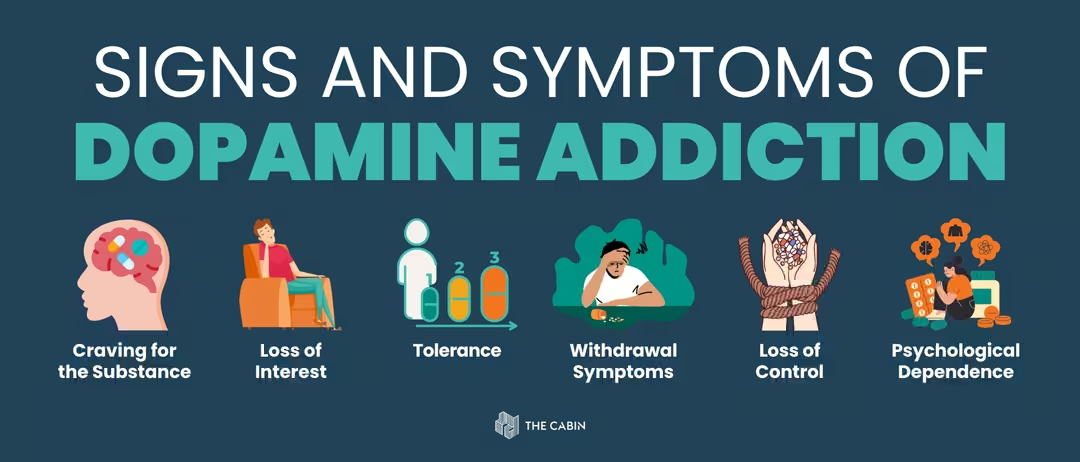
- Craving for the Substance: Intense craving for the substance is one of the most prominent signs of dopamine addiction. The brain becomes dependent on the dopamine surge, which is caused by the substance, leading to an intense urge to seek it out repeatedly. The cravings can become overpowering, making it difficult to resist the desire to continue using the substance.
- Loss of Interest in Other Activities: The brain’s natural reward system becomes less responsive to activities that used to provide pleasure (hobbies, socialising, or exercising) as dopamine addiction progresses. Loss of interest in other activities is due to the brain’s adaptation to the overstimulation from the substance, which causes it to prioritise the substance over natural rewards.
- Tolerance: Tolerance occurs when the brain becomes less responsive to the effects of a substance over time. Thus, requiring larger doses to achieve the same level of pleasure. Tolerance leads patients to increase their substance intake, further reinforcing the addictive cycle.
- Withdrawal Symptoms: A patient experiences withdrawal symptoms when a person addicted to a substance with dopamine-driven effects tries to stop using it. The symptoms (anxiety, irritability, fatigue, and depression) are caused by the brain’s diminished dopamine levels and the brain’s inability to function normally without the substance.
- Inability to Control Use: Patients addicted to dopamine-releasing substances struggle with controlling their consumption. Patients continue using the substance, indicating a loss of control over their actions, despite negative consequences (health issues, damaged relationships, or financial problems).
- Psychological Dependence: Psychological dependence refers to the emotional reliance on a substance to cope with stress, anxiety, or depression. The patient continues using the substance as a way to achieve relief from negative emotions, reinforcing the cycle of dopamine addiction.
How Can Someone Get the Right Addiction Treatment?
Someone can get the right addiction treatment by seeking a combination of approaches that are tailored to their specific needs. Common treatment methods include detoxification, which helps patients safely withdraw from substances. Therapy, which addresses the psychological factors of addiction. Medication-assisted treatment (MAT) which helps reduce cravings and supports long-term recovery. Each of these treatments works together to provide a holistic approach to overcoming addiction. Personalised treatment plans are essential to ensure the proper care for each patient. Effective treatment plans should be designed based on several factors (the type of addiction, the person’s mental and physical health, and personal preferences). Customising individual treatment plans further increases their effectiveness and improves the chances of sustained recovery for the individual.
Professional medical help plays an essential role in addiction recovery by providing expert assessment, guidance, and support throughout the treatment process. Medical professionals develop personalised treatment plans, manage withdrawal symptoms, monitor the patient’s progress, and adjust therapies as needed. Knowledgeable treatment providers ensure that the patient receives the appropriate care by addressing the physical and psychological aspects of addiction. This approach in care improves the chances of long-term recovery. Self-recovery attempts lack structure, and without professional oversight, the risk of relapse increases, and serious complications during self-detox can arise. Support groups and community programs offer ongoing assistance and accountability. Alcoholics Anonymous (AA) and Narcotics Anonymous (NA) programs provide a sense of community, helping participants share experiences and gain strength from others who have faced similar challenges. These support systems contribute to long-term recovery, offering encouragement and motivation along the way. The drug and alcohol rehab offers a unique setting for recovery, providing a supportive and tranquil environment for patients seeking treatment.
How long does it take for Dopamine Levels to Return to Normal?
It may only take 4 to 12 weeks for dopamine levels to return to normal after substance use. This timetable depends on the drug type, frequency, and duration of use. Cocaine and methamphetamine, which cause significant, rapid dopamine surges, can require 4 to 6 weeks for the brain to stabilise. Substances (alcohol and opioids), which have a more gradual impact on the dopamine system, take 6 to 12 months or even up to 2 years to recover fully. Short-term effects on dopamine levels are seen within days of cessation, but long-term recovery involves the restoration of dopamine receptor sensitivity, which takes 6 to 12 months or even longer. Post-acute withdrawal syndrome (PAWS) occurs during recovery, with symptoms (mood swings, anxiety, and depression) lasting 4 to 12 weeks, or up to 6 months, as the brain restores dopamine function.
IF YOU OR A LOVED ONE IS SUFFERING FROM ADDICTION
The Cabin Sydney offers inpatient, outpatient, and teletherapy services for addiction. Don’t continue to suffer—contact us for a free consultation to see how we can help.
