
It is common for recovering addicts to have drug dreams, and they can be incredibly stressful and create negative feelings and emotions. But can drug dreams also predict whether or not a person will be successful in addiction recovery? What do your drug dreams say about you?
Drug dreams in recovery are a common and often misunderstood part of the healing process. Through dreams, patients can reveal how their mind adjusts to a new life in sobriety. The dreams may reflect past cravings, emotional stress, or unresolved memories. Recurring dreams can raise questions about a patient’s progress or their potential risk for relapse. Some dreams are vivid and intense, while others feel accidental and confusing. Patients in recovery can better understand their triggers and stay focused on healing by recognising the different types of dreams and the various emotional effects of drug dreams.
Managing unsettling dreams means using tools (journaling, therapy, and peer support), not ignoring them. Healthy sleep habits, stress relief, and daily routines help reduce their frequency and emotional impact. Drug dreams become a sign of growth, not failure, with the right approaches. Learning to face and use these unpleasant experiences is part of Recovery from Drug Addiction and supports long-term strength through using dreams in recovery.
Why do People Experience Drug Dreams During Recovery?
People experience drug dreams in recovery because the brain rewires itself through sleep after stopping substance use. Dreams happen in Rapid Eye Movement (REM) sleep stages, where the brain processes memories and emotions through limbic and prefrontal regions, reorganising experiences and biological goals. The mind replays old drug-using behaviours in dream form, while the nervous system adjusts to abstinence. Susceptibility factors may include whether the patient is using multiple substance types, if they started using substances at a younger age, their addiction history, or if they are attending treatment programs or support groups.
Biological factors involve brain chemistry changes where neurons recalibrate without substances. One-third of recovering patients, or 31.9%, who resolved their substance use problems reported drug dreams. With more severe addiction cases, those individuals reported experiencing them most frequently, according to the National Institutes of Health (NIH). Patients with 11 years in recovery had not experienced drug dreams recently, while patients with only 2.3 years had reported experiencing recent dreams. The Recovery Example methods include mutual-help organisations (Alcoholics Anonymous and Narcotics Anonymous), where members share experiences and work through structured recovery steps with peer support. Addiction recovery stabilises brain function, reducing the mental stress about relapses, which can trigger these types of dreams.
What do Drug Dreams mean in Recovery?
Drug dreams in recovery represent a subconscious processing of cravings, trauma, and emotional residues linked to substance use. 85% of patients in early sobriety reported vivid drug dreams in recovery. Frequently, these dreams involved scenes of use or drug-seeking behaviour. These types of dreams often bring up unresolved psychological tension. It is important to note that they are not seen as a prediction of a future relapse. The phenomenon of feeling high in a dream can signal memory traces or trigger fears of regression. Emotional intensity, guilt, panic, or relief may serve as diagnostic cues for clinicians monitoring post-acute withdrawal and cognitive restructuring.
The drug dreams in recovery are viewed as symbolic representations of internal conflict. Cravings, escapism, and relapse anxiety can manifest through dream imagery in Rapid Eye Movement (REM) sleep, where emotional memory consolidates. The dreamer revisits past environments or personas tied to substance use, revealing unprocessed triggers. Therapeutic engagement, group sharing, journaling, and trauma-informed therapy all help decode dream content. Interpreting dream symbolism becomes a useful tool for emotional regulation and relapse prevention for patients exploring Recovery from Alcohol Addiction.
Is Dreaming About Using Drugs Normal in Recovery?
Yes, dreaming about using drugs is normal in early recovery. Patients in recovery go through changes in the brain and in their emotions. Dreams about using drugs happen because the brain is healing and trying to sort out old habits, memories, and feelings. The dreams feel real, and some patients even wake up scared or confused. It can be a part of the healing process, not a sign of failure. Some patients feel ashamed after dreaming about drug use, even though they have not done anything wrong.
Using dreams is part of how the brain works through experiences and stress. Patients in early recovery often have dreams about drug use in the first 3 months. The brain remembers the feeling of being high, and those memories show up in sleep. However, the dreams can help the patient understand their triggers and emotions better. Talking about them in therapy or support groups helps patients stay strong in their journey through recovery. The dreams will hopefully happen less as the patient builds new habits and starts to feel more stable.
What does it mean when you Dream About Using Drugs?
Patients experiencing drug dreams may see it as a reflection of inner conflict between the desire to stay sober and their memories of past use. The mind uses sleep as a way to process stress. Drug-related dreams surface when patients are working through guilt, anxiety, or temptation. The dreams can feel vivid or disturbing. However, they can be an important part of the healing process, not a sign of failure.
Dreaming about drug use represents loss of control, emotional escape, or a test of strength. The dreams could be seen as warnings from the spirit world or signs of a spiritual imbalance. Patients see familiar people or places tied to past use, revealing triggers that affect them. The dreams help uncover what the patient fears or misses, offering insight into their recovery journey.
Why do some Dreams Feel like Being High or Drugged?

Dreams can feel like being high or drugged, because the brain recreates past sensations using memory and chemical signals. Dopamine and serotonin play a role in mood, reward, and dreaming. The brain activates old pathways linked to drug use when patients sleep, causing vivid sensations known as false high experiences. These moments feel real, like feeling high in a dream, because the brain mixes emotional memory with sensory recall.
Patients with a history of substance use dream of being high in a dream or say, “I feel drugged in my dreams” due to lingering effects of withdrawal, anxiety, or unresolved cravings. The brain stores emotional and physical memories from drug use, and sleep becomes a space where memories resurface. The use of dreams is not a sign of a future relapse, but a reflection of healing from emotional tension. The brain’s role helps patients manage their experiences and stay focused on their recovery.
What Types of Drug Dreams do People Experience?
The Types of Drug dreams that People Experience are listed below.

- Relapse Pending Dreams: The patient dreams about preparing to use drugs or nearly relapsing, waking up before the act occurs. The dreams may reflect internal fear of losing control and slipping back into old habits. They could serve as emotional warnings and highlight unresolved tension.
- Recovery Affirming Dreams: The patient resists drug use in the dream, feeling proud or relieved afterward. The dreams support their commitment, show personal growth, and improvement in their mental strength. It leaves the patient feeling encouraged and focused.
- Anxiety-Inducing Dreams: The dream causes panic, guilt, or emotional discomfort, even without drug use. It reflects stress, fear of failure, or pressure in daily life. The emotional intensity lingers after waking, affecting mood and focus.
- Subconscious Processing Dreams: The patient’s mind replays past drug-related scenes to work through trauma or emotional residue. The dreams help sort out deep feelings and unresolved memories. This type of processing is a part of the brain’s healing and emotional regulation.
- Craving Trigger Dreams: The dream creates a strong desire or longing for drugs, followed by distress or confusion. It indicates active cravings and signals emotional vulnerability. It prompts reflection or the need for discussions with their therapist.
- Empowerment Dreams: The patient feels strong, in control, or victorious over addiction within the dream. The dreams symbolise personal growth, confidence, and progress in their recovery.
- Memory-Linked Dreams: The dream pulls from real experiences with drug use, with vivid detail and emotional weight. It shows how emotional and sensory memories are stored and reactivated in sleep. The dream can feel intense, as it is processing a person’s personal history.
- Symbolic Healing Dreams: Drug use appears as a symbol (escaping danger or facing a shadow) rather than a literal action. The dreams reflect emotional transformation and inner healing. They may carry a deeper meaning beyond the patient’s addiction.
- Flashback Dreams: The patient relives moments of past drug use, as if everything was happening again, with strong sensory detail. The dreams mirror stored trauma and emotional memory. It feels overwhelming and can be a scary experience.
- Motivational Dreams: The dream inspires the patient to stay sober, showing future goals or positive outcomes. The dreams boost morale and strengthen recovery values.
1. Relapse Pending Dreams
Relapse pending dreams are a psychological event where the patient dreams about preparing to use drugs or alcohol, and stopping before the actual act. Relapse pending may occur in early recovery when emotional and neurological adjustments are extra active. The brain replays past behaviours through dream imagery, which is triggered by stress, unresolved cravings, or environmental cues. Emotional intensity, guilt, panic, or confusion may arise.
The withdrawal stage, trauma history, and exposure to triggers can shape this effect. The pending dreams happen because the brain’s reward system (dopamine-linked memory circuits) remains sensitive, due to past substance use. The patient’s risk level depends on how the patient responds. Ignoring the dream leads to emotional buildup, while reflection, talk therapy, and support greatly reduce relapse chances. Recognising these types of dreams as part of the healing process transforms fear into insight.
2. Recovery Affirming Dreams
Recovery-affirming dreams are a psychological effect where the patient resists substance use in their sleep and wakes with a sense of pride or relief. Recovery-affirming dreams can appear in a person’s recovery when their emotional stability begins to strengthen. This positive effect supports motivation and improves the patient’s commitment to sobriety. It creates a sense of control and reinforces the belief that change is possible. It also helps to reduce guilt and build emotional resilience.
Recovery-affirming dreams are most common in later stages of recovery, when the patient has begun to build new habits and coping skills. Factors may include increased self-awareness, therapeutic progress, and reduced exposure to triggers. It often happens as the brain shifts focus from craving to healing, using new memories and emotional processing to reflect personal growth. These types of dreams carry low risk and serve as a positive support tool in recovery.
Start
Your
Recovery
Today!
3. Anxiety-Inducing Dreams
Anxiety-Inducing Dreams are a psychological effect where the patient experiences panic, guilt, or emotional discomfort linked to drug or alcohol themes in their sleep. Sadly, anxiety-inducing dreams disrupt emotional stability and create distress upon waking. These types of dreams may reflect unresolved fear, pressure, or internal conflict related to addiction and recovery. They may also affect mood regulation and increase emotional vulnerability in daily life. In some cases, it is possible that the stressful dreams interfere with sleep quality and leave lingering psychological tension.
Anxiety-inducing dreams are common in early and mid-stage recovery when emotional regulation is most unstable. These types of dreams happen because the brain processes emotional tension through past dream content, activating fear circuits and memory pathways linked to substance use. Various factors can include trauma history, stress exposure, unresolved cravings, and environmental triggers. The anxiety-inducing dreams carry a moderate risk to vulnerable individuals by increasing susceptibility to relapse if not addressed through therapy or support. The anxiety-inducing dreams may require clinical attention if their frequency or intensity escalates.
4. Subconscious Processing Dreams
The subconscious processing of dreams is an effect where the patient’s brain replays past drug-related experiences to sort out unresolved emotions and internal conflicts. The subconscious processing uses stored sensory and emotional memory to simulate scenes linked to addiction, without any conscious intent. It reflects the brain’s effort to reorganise trauma, guilt, or craving into manageable emotional content.
This type of processing disruption can be common in all stages of recovery. It can happen even if the patient is actively engaged in therapy or taking time for personal reflection. Factors to consider are the depth of past substance use, emotional repression, and exposure to recovery-related stress. When the brain activates memory and emotion networks in REM sleep, it may begin to process unresolved psychological material. This effect carries a low to moderate risk depending on the emotional intensity of the dream and the patient’s response. With the right type of support, monitoring, and therapeutic insight, many benefits can be achieved with taking inventory of subconscious thoughts within dreams.
5. Craving Trigger Dreams
Craving trigger dreams are a psychological effect where the patient experiences an intense desire for drugs or alcohol within sleep. Upon waking, they may experience emotional tension or restlessness. Craving trigger dreams activate stored reward pathways and simulate cravings, without any actual physical substance use. These types of dreams can disrupt emotional stability and increase psychological vulnerability.
The Craving trigger dreams are most frequent in early recovery when cravings are active and coping mechanisms are under development. Factors include recent withdrawal, exposure to triggers, and unresolved emotional stress. The brain reactivates dopamine-linked memory circuits tied to substance use, blending emotional recall with dream content. When this occurs, the dreams carry a moderate to high risk by increasing susceptibility to relapse. Especially if they are not addressed through structured support or therapeutic intervention.
6. Empowerment Dreams
Empowerment Dreams are a positive psychological effect where the patient experiences strength, control, or victory over their addiction within sleep. Empowerment presents scenarios where the patient rejects substance use, confronts past behaviours, or feels emotionally powerful. These types of dreams support confidence and stabilise the recovery mindset through symbolic mastery.
Empowerment is common in mid to late recovery when emotional clarity and self-efficacy are active. Various factors may include therapeutic progress, reduced cravings, and internal motivation. When the brain integrates positive emotional memory with goal-oriented imagery, this results in strengthening adaptive behaviour. These dreams usually carry low risks and contribute to long-term emotional resilience in recovery.
7. Memory-Linked Dream
Memory-linked dreams occur when the patient re-experiences past drug or alcohol events in their sleep cycle. The dreams may be vivid, emotional, and include specific sensory detail. The Memory-Linked dreams pull directly from stored autobiographical memories, and may involve replaying scenes with high accuracy and emotional intensity. These dreams reflect the brain’s attempt to process unresolved experiences and integrate them into the recovery narrative. Linked Dreams create a sense of realism that blurs the boundary between past behaviour and present intention. They can leave a lasting emotional impression that influences mood and self-perception.
The Memory-Linked dream is common in patients with a long-term substance use history or for those who have traumatic drug-related experiences. Variables include depth of emotional imprint, frequency of past use, and current psychological stress. These dreams may happen because the brain activates memory networks linked to reward, trauma, and identity, using dream content to revisit and reorganise past events. There is a moderate risk to individuals when their emotional impact triggers guilt, shame, or craving. However, there can be therapeutic value to these dreams when explored in a proper and safe setting. The Memory-Linked dreams may support emotional insight that helps the patient confront unresolved aspects of their addiction.
8. Symbolic Healing Dreams
 Symbolic Healing Dreams are an effect where drug or alcohol use appears in metaphorical form. The presence within the dream may support emotional transformation, rather than literal behaviour. Healing of this nature presents imagery (escaping danger, confronting shadows, or crossing), using substance-related symbols to express inner change. It also can reflect the brain’s effort to resolve emotional conflict and reconstruct identity through symbolic narrative.
These dreams may support emotional integration and help the patient process their recovery beyond surface behaviours. The Symbolic Healing Dreams can create meaning from past addiction and channel it into psychological growth.
Symbolic Healing is common in mid to late recovery, when emotional insight and self-reflection are most active. Factors include depth of therapeutic engagement, personal symbolism, and emotional readiness for change. When this happens, the brain uses metaphor and dream logic to explore unresolved themes and reframe past experiences. Healing dreams carry a low risk and contribute to emotional healing when they are interpreted with clinical support in a treatment setting. The Symbolic Healing dreams may strengthen an individual’s recovery by transforming addiction imagery into symbols of resilience.
9. Flashback Dreams
Flashback dreams are an effect where the patient re-experiences past drug or alcohol use in sleep with intense realism and emotional weight. Flashbacks may simulate actual events with vivid sensory detail, creating a sense of reliving, rather than imagining. These dreams can reflect stored trauma and may create an emotional imprint from substance-related experiences. A flashback can disrupt emotional stability and create confusion between past behaviour and present recovery. It may also leave a lasting impression that influences mood, self-perception, and emotional regulation.
Flashback dreams are common in patients with substance use or unresolved trauma linked to addiction. Intensity can vary, depending on the depth of emotional memory, frequency of past use, and current psychological stress. Flashbacks happen because the brain activates trauma-linked memory circuits in REM sleep, replaying events with high fidelity. This results in a moderate to high risk, where emotional intensity may trigger guilt, shame, or cravings. In the right context, these dreams can support therapeutic insight when they are explored in a treatment setting or with a clinical professional. Flashback dreams may require clinical attention if their frequency or emotional impact escalates rapidly.
10. Motivational Dreams
Motivational dreams support the patient’s sobriety goals, future achievements, or personal growth linked to their ongoing recovery. Motivational dreams present imagery of success, resilience, or purposeful action, creating an emotional uplift and offering a sense of direction. They can support internal motivation and strengthen the patient’s belief in long-term change. These types of dreams build emotional clarity and encourage forward movement in recovery, which leaves a positive imprint that influences daily choices and self-perception.
Motivational dreams are common in mid to late recovery stages, when emotional stability and goal-setting are at their highest. These dreams may occur more frequently when there is therapeutic engagement, personal ambition, and reduced craving intensity. When the brain integrates emotional memory with aspirational imagery, using dreams becomes less likely. Motivational dreams are positive and carry a low risk, as they contribute to sustained progress when aligned with treatment goals. Motivational dreams support psychological momentum and deepen one’s commitment to sobriety.
What are the Effects of Dreaming About Drugs and Alcohol in Recovery?
The effects of Dreaming About Drugs and Alcohol in Recovery are listed below.
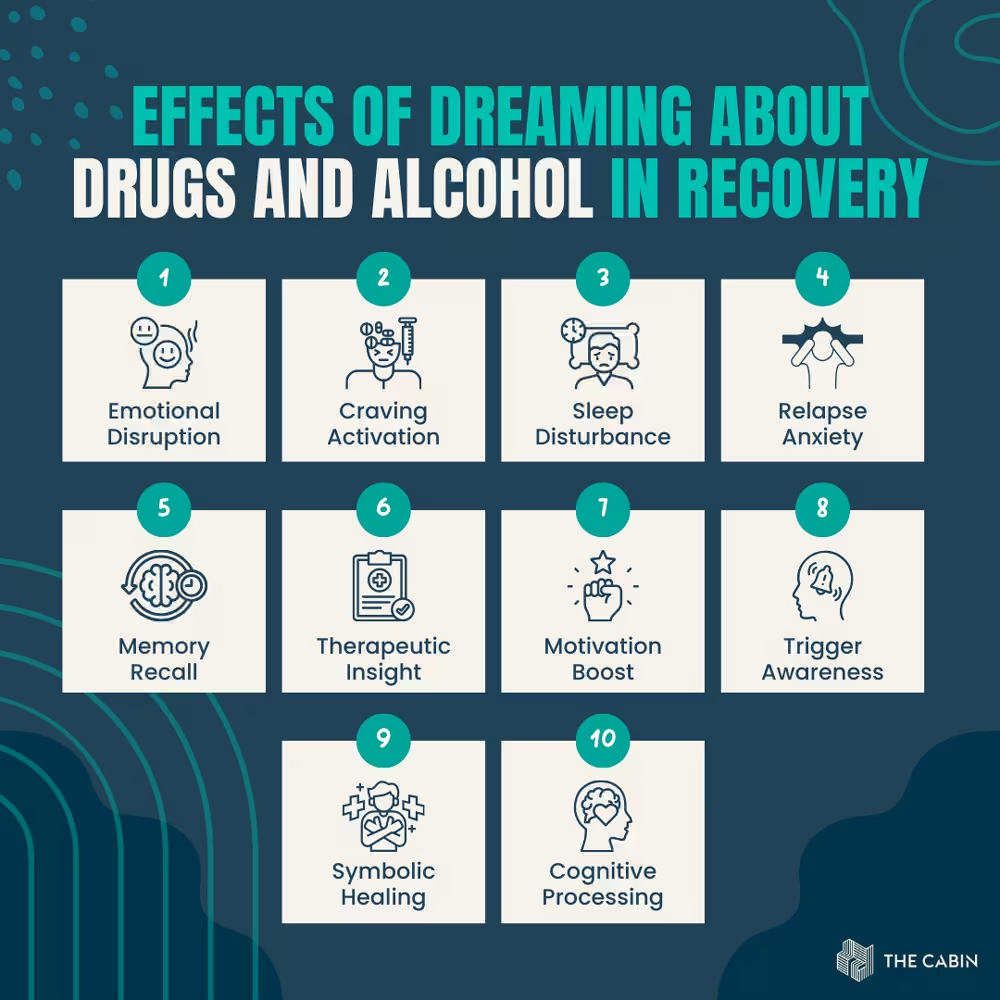
- Emotional Disruption: The patient wakes up feeling guilt, fear, or confusion after a drug or alcohol dream. These emotions affect mood and increase vulnerability to triggers. Support from therapy or Alcohol Addiction Treatment manages reactions and restores emotional balance.
- Craving Activation: Dreams stir up old desires, making the patient feel tempted or restless. Cravings are psychological echoes, not physical relapses. Recognising these disturbances for what they are prevents risky behaviour.
- Sleep Disturbance: Vivid or stressful dreams interrupt rest, leaving the patient tired or feeling anxious. Poor sleep weakens emotional control and increases relapse risk. Healthy sleep hygiene and recovery support improve rest patterns.
- Relapse Anxiety: The patient fears that dreaming about substance use means they are not progressing. Fear can cause stress and self-doubt. Education and awareness separate the dreams from actual behaviours.
- Memory Recall: Dreams pull from past drug or alcohol experiences, replaying scenes with strong detail. The memory may feel honest and emotional. Processing it in therapy can greatly reduce its power.
- Therapeutic Insight: Dreams offer clues about the patient’s emotional state and recovery progress. It may reveal hidden fears, desires, or unresolved trauma. Therapists can use this information to guide treatment plans.
- Motivation Boost: The dreams show the patient resisting the urge to use or feeling proud of their sobriety. It may strengthen their ongoing recovery goals. It can also inspire continued efforts and contribute to positive self-belief.
- Trigger Awareness: Dreams sometimes highlight people, places, or feelings linked to past use. This can help the patient identify and avoid real-life triggers. Thus, strengthening relapse prevention strategies.
- Symbolic Healing: Substance use in dreams may represent emotional release or transformation. Within the dream, if the patient faces inner struggles or overcomes symbolic challenges, it may reflect personal growth and healing.
- Cognitive Processing: The brain uses dreams to sort emotions, memories, and stress. This type of processing includes addiction-related content, which supports mental adjustment and aids in their recovery progress.
How to Deal with the Effects of Substance-Abuse Dreams?
To deal with the Effects of Substance-Abuse Dreams, follow the ten steps listed below.
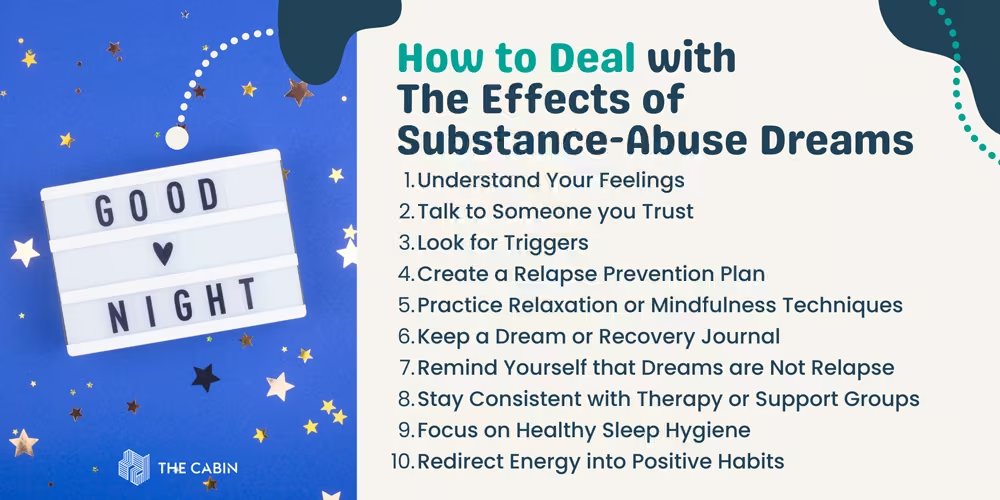
- Understand your Feelings. Identify emotional reactions after a substance-related dream (guilt, fear, or confusion). This can help clarify internal conflict and support emotional regulation. Understanding these feelings in real time allows the patient to respond with awareness instead of impulsivity.
- Talk to Someone you Trust. Share the dream experience with a therapist, sponsor, or supportive peer. This communication provides emotional relief and offers an external perspective. By strengthening connections, patients reduce feelings of loneliness and avoid isolation.
- Look for Triggers. Examine recent stressors, environments, or thoughts linked to the dream content. They may reveal patterns that influence emotional vulnerability and support proactive adjustments in daily life.
- Create a Relapse Prevention Plan. Outline steps to manage cravings, stress, and emotional setbacks. This can include healthy coping strategies, having emergency contacts, and creating a structured routine. By making these changes, one can increase their safety and confidence in recovery.
- Practice Relaxation or Mindfulness Techniques. Use breathing exercises, meditation, or grounding methods to calm emotional reactivity. These modalities stabilise mood and support sleep quality, strengthen self-regulation, and enhance emotional clarity.
- Keep a Dream or Recovery Journal. Record dream content, emotional responses, and recovery reflections. The act and process of writing helps track patterns, identify progress over time, supports therapeutic insight, and promotes personal growth.
- Remind Yourself that Dreams are Not Relapse. Affirm that dream content does not equal actual behaviour. By recognising that it is a separate experience from a physical action, this can reduce guilt and restore focus on recovery.
- Stay Consistent with Therapy or Support Groups. Consistency helps to maintain regular engagement with structured recovery support systems. It also provides accountability, emotional guidance, and strengthens long-term stability.
- Focus on Healthy Sleep Hygiene. Create a sleep routine that supports rest and emotional balance. Consider limiting screen time, setting consistent sleep hours, and creating a calming environment, as all these measures will help to reduce dream intensity.
- Redirect Energy into Positive Habits. Channel emotional tension into constructive activities (exercise, creative work, or volunteering). This can replace negative focus with purposeful action. It may also help to build resilience and support one’s identity transformation.
1. Understand your Feelings
To best understand your feelings, begin to identify emotional responses that may be triggered by substance-related dreams and recognise what each reaction means. Understanding includes observing guilt, fear, confusion, or craving without judgment or avoidance. This allows the patient to separate their emotional experiences from behavioural risks and respond with clarity.
Understanding feelings helps build awareness and reduces impulsive decisions linked to dream content. It is ideally implemented immediately after waking, when emotional intensity is most active and self-reflection is possible. Supportive and structured therapeutic engagement prepares the patient for deeper recovery work. This may also strengthen emotional regulation and help maintain psychological stability.
2. Talk to Someone you Trust
Talk to someone you trust by sharing your emotional reactions and your dream content. It is recommended to talk with a therapist, sponsor, or peer who understands recovery. Transparent communication allows the patient to express fear, guilt, or confusion without isolation or shame. It also creates space for emotional validation and helps reduce psychological burden.
Talking freely can help reduce emotional weight and gain perspective on dream-related distress. Talking is suggested when the patient feels overwhelmed, uncertain, or triggered by substance-abuse dreams. By validating one’s emotional experience, you may prevent the internalisation of shame. While also strengthening their recovery by encouraging open communication and emotional honesty.
3. Look for Triggers
Look for Triggers to identify external or internal factors that influence substance-abuse dream content. Triggers could be recent stress, emotional conflict, environmental cues, or unresolved cravings. By identifying these triggers, the patient is able to recognise patterns that activate psychological vulnerability and their dream intensity.
Awareness of triggers can help prevent future distress and encourage needed adjustments in recovery strategies with precision. If dream content repeats, emotional reactions escalate, or daily stress increases, pause and take note. An honest acknowledgement of emotional awareness helps the patient make informed changes in their behaviour and their environment.
4. Create a Relapse Prevention Plan
Create a relapse prevention plan to establish clear strategies for managing emotional stress, cravings, and high-risk situations. A solid prevention plan includes identifying warning signs, listing coping tools, and setting up support contacts. By thinking and planning for the future, the patient is able to rely on a safe, structured plan, instead of acting on impulse. This proactive approach helps to build confidence in one’s recovery stability.
Prevention plans help to reduce relapse risk, and patients maintain greater emotional control when their dream content triggers vulnerability. The plan should be put into effect when the patient experiences recurring substance-abuse dreams, has increased stress, or displays early signs of emotional instability. A proactive recovery plan supports and increases the chances of a long-term commitment to sobriety
5. Practice Relaxation or Mindfulness Techniques
Practice relaxation or mindfulness techniques to stabilise emotional reactivity and reduce psychological tension after substance-abuse dreams. Relaxation methods may include breathing exercises, body scans, meditation, or grounding routines that can calm the nervous system. By self-soothing, the patient can regain emotional balance and may reduce dream-related distress, without avoidance or suppression.
Mindfulness techniques help manage post-dream anxiety and improve sleep quality. The relaxation methods suggested above are best utilised when the patient wakes with emotional intensity, physical restlessness, or is experiencing lingering craving. Stable emotional regulation strengthens self-awareness and helps the patient respond with clarity instead of impulsivity.
6. Keep a Dream or Recovery Journal
Keep a dream or recovery journal to document substance-abuse dreams, emotional reactions, and recovery reflections in written form. When journaling, begin by recording dream content, identifying emotional patterns, and noting any areas of progress or setbacks. This process allows the patient to externalise internal experiences and observe their psychological trends over time.
A journal can help with building deeper emotional insight and serve as a tool for therapeutic analysis. It is important to document when dream frequency increases, emotional intensity escalates, or recovery milestones occur. Writing these things down helps to organise thoughts and clarify emotional responses.
7. Remind Yourself that Dreams are Not Relapse
Remind yourself that dreams are unconscious imagery, and not from conscious behaviours. By actively affirming that dream content does not reflect actual decisions or actions, this can help the patient by assuaging any guilt or negative thoughts. Processing dreams therapeutically allows the patient to restore emotional balance and stay focused on their sobriety goals.
Asking for outside help can prevent emotional overreactions and may strengthen psychological stability after substance-abuse dreams. Receiving and accepting support is especially helpful if the patient is struggling with shame, fear, or confusion about their dream content.
8. Stay Consistent with Therapy or Support Groups
Staying consistent with therapy or support groups helps to maintain structured emotional support and enhances accountability throughout the recovery process. Therapy includes attending regular sessions, sharing experiences, and receiving guidance from professionals or peers. This modality allows the patient to process substance-abuse dreams within a safe, informed environment and reduces their emotional isolation.
Support groups help strengthen a patient’s recovery and can assist in managing psychological stress linked to dream content. Therapy should be sought out when emotional intensity increases, dream frequency escalates, or motivation fluctuates. With added support, the patient can stay grounded and connected to their long-term goals. Both individual therapy and support groups increase emotional resilience and support relapse prevention.
Quit
Addiction
with Our Support!
9. Focus on Healthy Sleep Hygiene
Focusing on healthy sleep hygiene can help to support emotional stability and reduce the intensity of substance-abuse dreams. Healthy sleep hygiene includes setting a consistent sleep and wake time, limiting screen exposure before bed, and creating a calming sleep environment. Proper wellness allows the patient to regulate their circadian rhythm and reduce psychological vulnerabilities that can be linked to poor sleep quality.
Sleep hygiene helps improve dream regulation and supports emotional recovery. Care and attention to sleep hygiene should be practised when sleep becomes fragmented, dream frequency increases, or emotional fatigue builds. A consistent routine helps reduce nighttime distress and promotes mental health. With the proper behaviour training, patients can improve their overall health and increase their emotional resilience.
10. Redirect Energy into Positive Habits
By redirecting energy into positive habits, patients can transform their emotional tension from substance-abuse dreams into constructive and positive outlets. Healthy habits include engaging in exercise, creative work, volunteering, or skill-building activities that support recovery. When the patient shifts focus from distress to purpose, this builds emotional momentum. New habits may help reduce rumination and reinforce behavioural changes. In situations where emotional residue from dreams lingers or motivation begins to fade, freshly formed habits can help the patient to stay engaged in their recovery. With new and meaningful routines, patients may reduce their risk of relapse vulnerability.
How to Prevent Drug Dreams?
To prevent Drug Dreams, follow the five steps listed below.
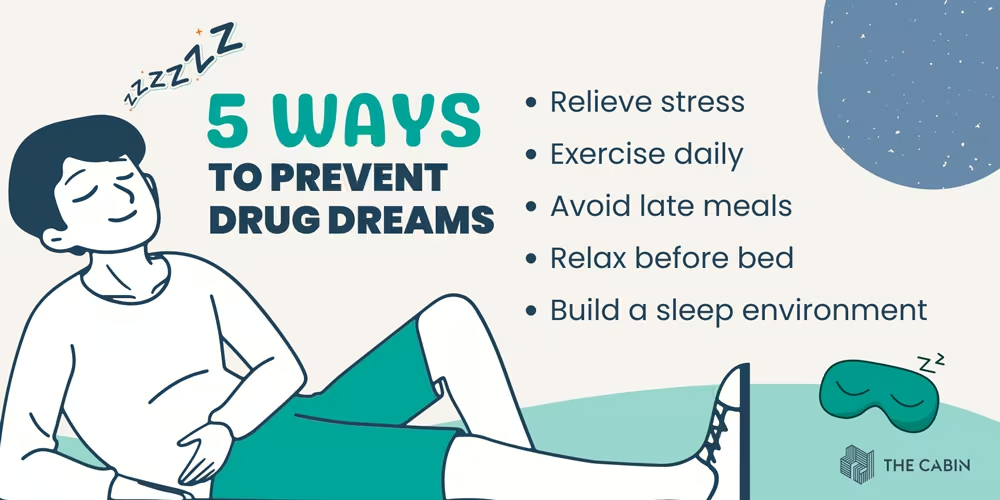
- Relieve stress. Reduce emotional tension through journaling, talking to a trusted person, or engaging in calming activities. Lower psychological pressure to prevent dream activation linked to unresolved cravings.
- Exercise daily. Engage in physical movement to regulate mood, improve sleep quality, and reduce emotional residue. Build physiological stability that lowers vulnerability to substance-related dreams.
- Do not eat too close to bedtime. Avoid late meals to prevent digestive disruption and nighttime stimulation. Support deeper sleep cycles that reduce dream intensity.
- Relax before bed. Use calming routines (reading, stretching, or breathing exercises) to settle the nervous system. Prepare the mind for restful sleep and reduce emotional carryover.
- Create a relaxing sleep atmosphere. Adjust lighting, temperature, and noise levels to support comfort and emotional safety. Build a sleep environment that reduces psychological activation and supports recovery.
1. Relieve stress
Relieve stress to reduce emotional tension that activates substance-abuse dream content and destabilises recovery. By identifying stress sources (interpersonal conflict, work pressure, or unresolved trauma) and using targeted coping strategies, patients can regulate their emotional intensity. Healthy coping skills allow the patient to lower their psychological arousal, which can prevent dream activation linked to craving, guilt, or fear. By reducing stressful activities and engagements, patients will increase their emotional clarity, strengthen their recovery and stability, along with decreasing their vulnerability to unconscious relapse imagery.
Maintaining emotional balance and protecting sleep quality is especially important when stress accumulates in multiple domains. Relieving stress is advised when the patient experiences increased dream frequency, heightened emotional reactivity, or shows early signs of psychological fatigue. By taking extra measures to reduce stress, the patient prevents the escalation of distress and supports proactive recovery management.
2. Exercise daily
Exercising daily helps to regulate mood, reduce emotional tension, and support physiological stability in recovery. Exercise includes aerobic movement, strength training, and stretching routines. All of which activate endorphins and improve sleep quality. Physical movement allows the patient to release psychological stress and reduces their vulnerability to substance-abuse dreams.
Daily movement builds emotional resilience and supports long-term recovery. Movement should be encouraged when the patient experiences restless sleep, recurring dream content, or has elevated stress levels. Physical exertion helps stabilise circadian rhythms and reduces nighttime psychological activation. Exercise improves recovery by increasing healthy routines and enhancing emotional well-being.
3. Do not eat too close to bedtime
Do not eat too close to bedtime to prevent digestive stimulation, as it can disrupt sleep cycles and increase dream intensity. Avoiding heavy or sugary foods allows the body to settle more easily before sleep. Eating several hours before bedtime enables the patient to reduce physiological arousal and support deeper, uninterrupted rest. By avoiding late meals, better emotional regulation is possible, and vulnerability to substance-abuse dreams decreases. When sleep becomes fragmented, dream content escalates, or nighttime cravings emerge, it is important to evaluate how many hours before bed you are consuming your last meal or snack. By stabilising healthy sleep routines and reducing psychological activation, patients will have a deeper and more restful sleep cycle.
4. Relax before bed
Relax before bed to calm the nervous system and reduce emotional activation that fuels substance-abuse dreams. Relaxation techniques include engaging in low-stimulation activities (reading, stretching, or breathing) to ease the mind and body’s transition into sleep. By embracing calming and quiet pre-bedtime activities, the patient will have lower physiological arousal and will be better prepared for restorative night’s rest.
Evening relaxation supports emotional regulation and improves sleep continuity. Healthy and regular practices can reduce the patient’s pre-sleep anxiety, lingering cravings, or reduce their dream intensity. Relaxation helps quell nighttime psychological activation and supports recovery stability.
5. Create a relaxing sleep atmosphere
Create a relaxing sleep atmosphere to support emotional safety and reduce dream intensity linked to substance use. Sleep atmosphere includes adjusting lighting, minimising noise, regulating room temperature, and removing stimulating devices from the bedroom. By creating a quiet and peaceful space, the patient can associate their sleep environment with calmness, comfort, and psychological stability.
A soothing atmosphere promotes deeper sleep and lowers vulnerability to emotionally charged dreams. Sleep atmosphere should be considered when the patient experiences nighttime anxiety, fragmented sleep, or recurring dream content. Making improvements to one’s home and sleeping space improves recovery through environmental cues that support rest and emotional regulation.
YOU DESERVE TO BE
Happy
How do Drinking Dreams Compare to Drug Dreams in Recovery?
The comparison between Drinking Dreams and Drug Dreams in Recovery is shown in the table below.
| Aspect | Drinking Dreams in Recovery | Drug Dreams in Recovery |
|---|---|---|
| Common Triggers |
Social settings, cultural exposure, stress, or nostalgia are linked to alcohol use. | Trauma, intense cravings, withdrawal symptoms, or high-risk environments. |
| Typical Content |
Casual drinking, parties, or accidental consumption. | High-risk drug use, relapse scenarios, or intense craving fulfilment. |
| Emotional Reactions | Confusion, guilt, mild anxiety, or fear of social judgment. | Shame, panic, intense guilt, fear of relapse or loss of control. |
| Frequency in Recovery |
Less frequent, occurring in early or transitional phases. | More frequently, in early recovery or in emotional instability. |
| Relapse Risk |
Moderate, and tied to social pressure or emotional vulnerability. | Higher, and linked to unresolved trauma or compulsive craving cycles. |
| Coping Strategies |
Normalise dream content, discuss with peers, and improve boundaries around alcohol exposure. | Seek therapeutic support, identify emotional triggers, and develop relapse prevention plans. |
Why are Drug Dreams Important for Long-Term Sobriety?
Drug dreams are an important part of the recovery process because they show the mind is healing, not failing. These dreams may help the person face old habits, emotions, and cravings safely. They can be used to learn about triggers and recognise areas where stronger coping skills are needed. Drug dreams should not be seen as a setback. Talking about the dreams in therapy or with support groups turns fear into growth.
The dreams can also serve as a helpful reminder that recovery is a lifelong journey. Drug dreams may come back when there is significant stress or change. This is not anything to be scared of or run from. By learning from their dreams, patients can remain focused, build emotional strength, and protect their long-term sobriety.
Embracing Recovery at The Cabin
If you’re having frequent or severe negative drug dreams, do not be afraid to ask for the help you need, as it could be the difference between success in addiction recovery and relapse.
