
Helping an Alcoholic Son or Daughter requires a balance of structure, compassion, and informed action. Helping an alcoholic son or daughter by setting healthy boundaries, while living with an alcoholic son prevents chaos and reinforces accountability without hostility. Participation in professional treatment introduces coping strategies and builds long-term recovery habits when my daughter is an alcoholic.
Attending group meetings with an alcoholic daughter fosters connection and reduces isolation through shared experiences. Understanding withdrawal symptoms and relapse risks prepares the household for realistic challenges when my son is an alcoholic. Supporting an alcoholic child involves consistent effort, emotional resilience, and a commitment to each other’s separate recovery programs without judgment.
The Cabin understands why parents are concerned if their son or daughter is struggling with alcoholism.
Alcoholism is a serious condition that can ruin a child’s health and future. This disease also puts enormous emotional strain on parents and other family members. Our guide is designed for parents who believe their child is struggling with addiction and want to know what to do.
Topics that will be focused on are listed below.
- What alcoholism is
- The signs that a child might be addicted
- How to deal with an alcoholic son or daughter (what to do and not to do)
- Practical steps that support recovery
- Available addiction treatment options
- The Cabin’s substance abuse specialists are ready to walk parents through how to help their child take their life back (practical tips for getting them help and keeping them sober).
Read on to learn how to intervene in ways that are firm, effective, and grounded in care.
Key Takeaways
- Alcoholism is a serious, progressive disease that begins in adolescence and affects the whole family.
- Parents must set clear, loving boundaries and avoid enabling behaviors that support addiction.
- Mental health issues (trauma, depression, or anxiety) fuel teen drinking and need to be addressed in treatment.
- Peer support and professional care are critical. Alcoholics Anonymous (AA) and Narcotics Anonymous (NA), and structured programs that offer absolute paths to recovery.
- Early action saves lives. Don’t wait for a child to hit rock bottom before getting help.
What is Alcoholism?
Alcoholism is a common substance use disorder marked by a compulsion to drink, an inability to control one’s intake, and often results with negative consequences in one’s daily life. People with Alcohol Use Disorder (AUD) may experience alcohol withdrawal when not drinking.
People with this condition cannot stop drinking despite wanting to. Their need to drink increases, which results in consuming greater amounts of alcohol just to get the same effects. It’s a progressive disease, meaning it gets worse as time goes on. It begins with occasional drinking to unwind, manage stress, or fit in socially.
AUD can range from mild, where a child drinks more than intended but still functions, to severe, where alcohol disrupts other areas of life (work, school, health, and relationships).
Parents may be worried that they have “caused their child’s” alcoholism. The Cabin assures parents that it is most likely not the case. Substance Use Disorders (SUDs) are an extremely complex disease, with a variety of causes.
Alcoholism is frequently caused by a mix of internal and external factors. No two cases are the same, and it is often a combination of two or more factors that cause the disease.
Alcohol addiction can be genetic if family members have experienced the same condition. Societal or environmental variables can contribute to its development. Peer pressure, early alcohol exposure, or a way to escape trauma and emotional suffering are a few of the reasons why others develop it. Friends and family have a significant impact on how teenagers form drinking habits, according to a paper from “Alcohol Research titled Social and Cultural Contexts of Alcohol Use.”
AUD is not caused by bad decisions or a lack of self-control, despite what individuals think. It is an illness that alters how the brain works in areas related to reward, judgment, and impulse control. Knowing more about alcohol addiction can change how parents handle a child’s behavior and provide the care they require.
What are the Common reasons why my Son is an Alcoholic?
The common reasons why your son is an alcoholic could be due to personal, environmental, and psychological factors that influence behavior over time. Family history is important because genetic predisposition raises the risk of alcohol dependence. Exposure to alcohol during adolescence in social settings where drinking is normalized contributes to early patterns of misuse. Emotional distress (anxiety, depression, or unresolved trauma) leads individuals to seek relief through substances. Peer pressure and the desire to fit into certain groups create additional risks when alcohol is used as a social tool. Lack of coping mechanisms, limited access to mental health support, and high-stress environments further increase vulnerability. Academic pressure, relationship conflicts, or financial instability act as triggers that reinforce drinking habits. Each factor interacts with personal circumstances, making the path to alcoholism complex and deeply individual.
What are the Common reasons why my Daughter is an Alcoholic?
The common reasons why your daughter is an alcoholic are due to emotional, social, and environmental factors that shape her behavior over time. Exposure to alcohol during adolescence (in peer groups where drinking is normalized) increases the potential for habitual use. Family history also affects risk, because genetic predisposition influences how the body and brain respond to alcohol. Emotional distress (anxiety, depression, or unresolved trauma) causes individuals to seek relief through substances. Academic pressure, relationship instability, and financial stress create conditions where alcohol becomes a coping mechanism. Lack of access to mental health support and limited awareness of healthy coping strategies further reinforce dependence. Each of these factors interacts with personal experience, making the path to alcoholism complex and deeply individual.
What Role do Culture and Society Play in Alcohol Use?
The role that culture and society play in alcohol use influences alcohol consumption through shared traditions, social expectations, and peer dynamics that influence behavior across generations. Alcohol is integrated into celebrations, religious ceremonies, and family gatherings, creating early exposure and sometimes normalizing consumption. Peer influence plays a strong role in youth addiction, where acceptance and group identity depend on participation in drinking activities. Alcohol is viewed as a symbol of adulthood or success in other cultures, reinforcing its presence in professional and social settings. Regional attitudes vary widely. For example, other European countries treat wine as a daily staple, while others impose strict regulations and social penalties for public intoxication. Stigma around addiction differs by community, with other families viewing alcohol dependence as a moral failure rather than a health concern. Children adopt similar habits without recognizing long-term risks in households where drinking is frequent and unchallenged. Social events (weddings, festivals, and reunions) include alcohol, reinforcing its role in bonding and celebration. Each cultural pattern contributes to how individuals perceive alcohol, respond to its effects, and seek help when youth addiction develops.
Are you
Worried
about Your
Loved One?
How can I know if My Child is Addicted to Alcohol?
You can know if your child is addicted to alcohol by recognizing the early signs of alcohol addiction (frequent drinking, secretive behavior, sudden mood changes, and withdrawal from school or family life) or other forms of drug abuse. Alcoholism is a chronic condition. It builds gradually, and sometimes symptoms stay hidden until they become severe. Parents must be vigilant and aware at all times.
Pay careful attention to their mood, social circle, and performance at school, if you are suspecting that a child may be struggling with Alcohol Use Disorder (AUD).
However, parents need to understand that not every teen displays outward signs of their disease.
Teens can attend school, socialize, attend family gatherings, and act normally, while their negative relationship with alcohol could be growing in private.
This issue is more common than most parents think. A report found that 3.3 million adolescents between the ages of 12 and 20 engaged in binge drinking within the past month, according to the “2023 federal report from the National Survey on Drug Use and Health (NSDUH).” That’s nearly one in every twelve in the age group.
The indicators that can help parents to decide when it’s time to seek professional help in dealing with alcoholic children are listed below.
- Sudden mood changes: Alcohol affects the brain’s chemistry. Watch for irritability, sadness, or emotional outbursts that seem out of place or come on without warning.
- Secrecy and lying: Observe if a child is avoiding parents’ questions, lying about where they’ve been, or becoming defensive when drinking is brought up. They may be trying to hide their alcohol use.
- Drop in school performance: Missing classes, skipping assignments, or failing grades are red flags when a child used to do well in school.
- Neglecting responsibilities: Parents may notice chores being ignored, commitments broken, or general apathy toward things they once cared about.
- Physical signs: Check and see if a child has red or watery eyes, a flushed face, or droopy eyelids. These are clear signs of recent and repeated alcohol intake.
- Withdrawing from family: Spending more time alone, spending more time drinking than with parents or their friends, staying locked in their room, or avoiding conversation can signal that they’re hiding a problem.
- Asking for money without reason: Repeatedly asking for cash without a clear explanation, or money going missing around the house, may be linked to alcohol purchases.
Please get in touch with the local alcohol addiction treatment centre for guidance if concerned about a child’s drinking. Contact a support group (AA or Al-Anon) at the very least. Contact The Cabin when uncertain of what to do, as we can provide direction for parents on where and how to get help.
When should Parents Intervene in a Crisis?
Parents should intervene immediately in a crisis when a child exhibits signs of alcohol poisoning, violent behavior, or self-harm. A crisis includes any event where physical safety, mental stability, or life-threatening conditions are present. Alcohol poisoning presents with vomiting, unconsciousness, irregular breathing, and pale or bluish skin. Violent behavior includes threats, destruction of property, or physical aggression toward others. Self-harm involves cutting, burning, or any action intended to inflict injury. Parents of drug addicts must recognize these signs as urgent and non-negotiable. Parents of addicts must take immediate action, which involves contacting emergency services, removing access to harmful substances, and ensuring the child is not left alone. The addiction treatment for a child begins with medical stabilization, followed by psychological evaluation and structured rehabilitation. Professionals (crisis counsellors, addiction specialists, and licensed therapists) can provide critical support during an intervention. Facilities offering inpatient care or detox programs must be contacted without delay when safety is compromised. Delay in your response time increases the risk of irreversible harm and complicates recovery. Intervention during a crisis is not optional. It is a necessary act for your child’s protection and your responsibility as their parent.
What are the Ways you can help your Alcoholic Child?
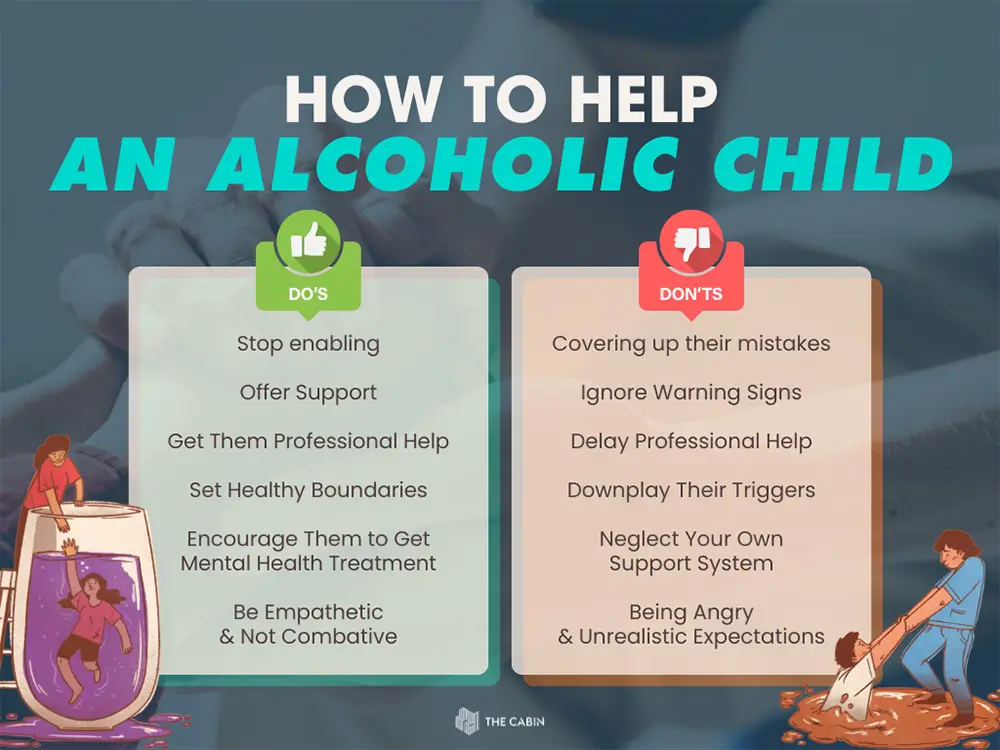
The ways you can help your alcoholic child include setting healthy boundaries, avoiding enabling behaviors, encouraging your child to get help for their mental health issues, and educating them about alcoholism. Taking a child to group meetings and encouraging a child to get professional treatment are other ways you can support them. Helping an alcoholic child involves setting clear boundaries to protect the household and reinforce accountability. Avoid enabling behaviors (covering up consequences or providing financial support), which reinforce addiction. Encouraging mental health treatment addresses emotional triggers and supports recovery. Participating in group meetings and therapy offers structure, support, and guidance. Educating oneself about alcoholism fosters understanding and empathy for informed responses.
1. Set Healthy Boundaries
Setting healthy boundaries is the first thing to do for a child, and to cease every “enabling behavior” (tell other family members to stop too). Boundaries are beneficial rules and not punishments. Boundaries help by clearly defining what is allowed and what is not allowed for the entire family’s safety.
The Cabin understands that a parent’s instinct is to protect their child. Parents can still care deeply while requiring accountability. That is what effective boundaries are for.
Boundaries are there to help the children, and not to punish them. Start by listing “house rules” that focus on structure, respect, and accountability. A 2015 study published in the National Library of Medicine entitled “Enhanced brain susceptibility to negative stimuli in adolescents: ERP evidence shows that adolescents are more emotionally sensitive to negative stimuli than adults.” Avoid harsh words, threats, or shame-based rules, as they trigger defensiveness and affect relationships.
Communicate the rules to everyone involved once they are written. Be calm but firm, so the child takes them seriously.
Healthy boundaries that a parent sets
- Keep the home alcohol and drug-free.
- Financial help is given to support recovery from their alcohol problem.
- Car use is allowed if they’re sober and responsible.
- Communication needs to stay calm and respectful.
2. Avoid Enabling Behaviors
Avoid enabling behaviors is when allowing a child’s addiction to continue through behaviors that support their disease, rather than stopping it. Common “enabling behaviours” include making excuses for them and giving them money, which goes to supporting their drug use.
Unhelpful actions may not be obvious and could be disguised as love, protection, or “just helping out.” Parents think that they are helping their children, but their enabling behaviors make it easier for the addiction to continue and harder for the child to change over time.
The steps to avoid enabling behaviors, instead of covering up mistakes, making excuses, or fixing problems, are listed below.
- Let their actions lead to real consequences. Do not intervene if the child misses work, loses money, or faces legal trouble. Discomfort is what forces change. It provides them with the motivation they need to start their recovery process.
- Set clear limits on the availability. End the interaction if the child calls while intoxicated or shows up demanding help. Keep contact limited to when they are sober and willing to engage responsibly.
- Redirect the focus. Spend time and energy on things that are controllable (health, work, and emotional stability). Recognize that their addiction is beyond your control.
3. Encourage Them to Get Help for Mental Health
Encourage them to get help for mental health issues (anxiety, depression, PTSD, and ADHD), which can lead to addiction. Alcohol becomes a coping mechanism, as it dulls the pain and feelings for a while, but the relief it gives does not last.
The Cabin has a saying in the addiction and recovery community, “addicts are self-medicating an undiagnosed issue.” The Cabin sees cases where alcohol use started as a way to manage untreated emotional distress. It works at first until it becomes a problem.
Teens with anxiety drink to get through social situations. Others turn to alcohol to escape intrusive memories or extreme sadness. Post-Traumatic Stress Disorder (PTSD) and depression are two common causes of Alcohol Use Disorder (AUD).
Encourage the child to speak to a mental health professional if you are suspecting that they are drinking to manage stress, trauma, or emotional pain. Offer to help them book an appointment, talk to their doctor, or contact a counsellor, on their behalf.
Making children feel supported is the most important thing a parent can do. Avoid forcing or threatening them, as that makes the situation worse. For example, say something like, “I’ve noticed you haven’t been yourself lately. Would you be willing to talk to someone about it?”
The way and manner parents treat them makes a big difference in whether they decide to enter treatment. Let’s cover that in the next section.
4. Be Empathetic
Be empathetic when discussing feelings. Do not attack the children, and do not speak negatively.
They will likely shut down or deny everything. It is extremely common when dealing with addiction. Approaching the situation with empathy and care, rather than being confrontational, will help avoid a negative reaction and will lead to better outcomes.
The steps on how to apply empathy in real conversations are listed below.
- Pick the right moment. Timing affects how children hear their parents. Bring it up when things are calm, and not during an argument or right after a crisis.
- Speak in observations, not accusations. For example, say, “I’ve noticed you haven’t been yourself lately,” instead of “You’ve changed.” It focuses on facts, not blame, and makes it easier for them to listen.
- Ask one clear question at a time. Avoid piling on or interrogating. For example, a simple question like, “How are things really going for you?” invites a response without pressure.
- Don’t interrupt, even when you disagree. Let them finish what they’re trying to say, so they feel heard. Parents don’t need to agree with everything they are saying and expressing.
- Reflect on what you’ve heard. For example, say, “So you’ve been feeling overwhelmed,” rather than shifting the topic. It shows parents are paying attention and not just waiting to respond.
- Avoid diagnosing or lecturing. Parents are not there to pinpoint what’s wrong, but to observe what has been happening and suggest a way to find the right kind of help.
5. Educate Yourself on Alcoholism
Educate yourself on alcoholism when supporting your child by understanding their situation. Learning how alcohol use disorder develops, what treatment involves, and what recovery looks like helps every parent respond better to the problem.
Effective ways to be educated about alcoholism are listed below.
- Read from Trusted Sources: Stick to sites that end in .gov, .edu, or .org, National Institute on Alcohol Abuse and Alcoholism (NIAAA), and the Centers for Disease Control and Prevention (CDC). These resources offer clear, evidence-based information on alcohol use.
- Watch Real Recovery Stories: Hearing directly from people’s journeys in recovery helps to understand the emotional side of addiction. It gives parents a better sense of their child’s feelings about thoughts that they may be struggling to verbalize.
- Join a Support Group: Al-Anon and other family-focused programs welcome parents who want to listen, learn, and connect. Learn practical advice and get emotional support by joining these groups.
6. Take Them to Group Meetings
Taking them to group meetings helps every parent’s alcoholic son or daughter. Alcoholics Anonymous (AA) and Narcotics Anonymous (NA) are two of the most widely used peer support programs for addiction recovery.
These two support groups follow a 12-step framework and offer free, community-based meetings where individuals talk, listen, and learn from others facing similar struggles.
AA focuses on alcohol use. It introduces the idea that recovery involves surrendering to a higher power, however the individual defines it. NA is a broader program and encompasses all mind-altering drugs (including alcohol). It welcomes anyone with any kind of substance-related issues.
The Cabin recommends group meetings as part of a recovery plan. Hearing real stories from real people is more impactful for many teens than lectures or warnings. Alcoholic children who attend peer support groups (AA or NA) have much better rates of sobriety than others who do not.
7. Encourage Them to Get Professional Treatment
Encouraging them to get professional treatment is the best thing that parents can do for their alcoholic children.
Addiction is a disease that requires proper treatment. The drinking cycle repeats for years without professional help. Getting professional help encourages children to build positive habits that serve as the foundation for their sobriety. Investing in clinical treatment gives a child the structure, tools, and support they need to break Alcohol Use Disorder (AUD).
Behavioral therapies and medications are the recommended first-line treatments for AUD. Therapy (family therapy) helps the child identify triggers, manage stress, and build healthier coping habits. Doctors prescribe medications to reduce cravings or prevent relapse during difficult times.
Please listen to whether your child is willing to consider help. If they are, offer to contact a treatment provider, book an appointment, or go with them to the first visit.
How can Family Dynamics Influence a Child’s Addiction?
Family dynamics can influence a child’s addiction through patterns of stress, unresolved conflict, and enabling behavior that shape emotional responses and coping habits. High levels of tension within the household (frequent arguments or financial instability) create environments where escape through substances becomes appealing. Allowing behavior, including denial of the problem or repeated forgiveness without accountability, reinforces addictive patterns and delays intervention. Children exposed to alcohol misuse experience confusion, fear, and a lack of stability, which increases vulnerability to substance dependence.
Positive involvement from family members supports recovery through consistent encouragement, open communication, and shared goals. Conversations that acknowledge the addiction without judgment, build trust, and reduce shame. Participation in structured treatment plans (attending counseling sessions or supporting healthy routines) strengthens a child’s commitment to change. Families that prioritize emotional safety and maintain clear boundaries contribute to long-term recovery. The presence of reliable support systems reduces relapse risk and reinforces healthier coping strategies. Each action taken within the household carries weight in shaping the outcome of recovery from addiction. The effects of alcoholism on families and children include emotional withdrawal, disrupted routines, and reduced trust between members.
How can Families Build a Strong Support Network During Alcohol Rehab?
Families can build a strong support network during alcohol rehab by involving trusted relatives, dependable friends, structured support groups, and local community organizations. Each participant contributes a unique form of stability, whether through emotional encouragement, practical assistance, or shared accountability. Relatives provide familiarity and continuity, which helps maintain a sense of identity during treatment. Friends offer companionship and distraction from cravings or emotional lows. Support groups and family-focused recovery circles create space for shared experiences and mutual understanding. Community organizations supply resources (transportation, counseling referrals, or structured activities) that reinforce positive routines. Sharing responsibility across multiple people reduces emotional strain on any one individual and prevents burnout. A vast network limits isolation, increases consistency, and reinforces the message that recovery is a shared commitment, not a solitary burden. Each connection strengthens the foundation for long-term healing and resilience.
How can Parents Support Long-Term Alcohol Recovery for their Child?
Parents can support long-term alcohol recovery for their child by maintaining consistent encouragement and reinforcing daily structure. Participation in therapy sessions creates space for shared reflection and strengthens emotional trust. Relapse prevention involves monitoring behavioral changes, limiting exposure to high-risk environments, and maintaining open communication with counselors. Celebrating milestones (sobriety anniversaries or completed treatment phases acknowledges progress and reinforces motivation. Accountability becomes effective when expectations remain clear and consequences follow predictable patterns. A stable routine that includes healthy meals, regular sleep, and purposeful activities supports emotional balance and reduces vulnerability. Each action taken within the household contributes to a recovery process built on trust, consistency, and shared commitment.
Support
for
Parents
Hope for Teens
What Key Mistakes to Avoid when Supporting an Alcoholic Child?
The key mistakes to avoid when supporting an alcoholic child are listed below.
- Underestimating Triggers: Drinking rarely happens in isolation. The addiction keeps resurfacing when ignoring the stress, social pressure, or emotional pain behind the behavior.
- Neglecting Support System: A strong support system is one of the most important aspects of staying sober. Support systems can greatly benefit each family member, not just the individual struggling with addiction. A therapist, support group, or other parents experiencing similar struggles are excellent resources to speak to honestly.
- Setting Unrealistic Expectations: Recovery doesn’t follow a straight line. Expecting the child to “bounce back” after a single treatment or detox can be unrealistic. Progress is slow, and relapse is common.
- Ignoring Emotional Warning Signs: Don’t underestimate the severity of withdrawal, irritability, or anxiety or depression in teenagers. Emotional distress is what drives the addiction in the first place.
- Delaying Professional Help: Don’t wait until the child hits rock bottom. Seek help immediately if a pattern develops, as it gets harder in the long run, over time.
What are the Early Signs of Alcohol Relapse in my Child?
The early signs of alcohol relapse in your child are listed below.
- Increased Secrecy: A sudden need for privacy (hiding phone activity or avoiding conversations) signals emotional withdrawal. This behavior reflects guilt, shame, or an attempt to conceal renewed drinking.
- Heightened Stress or Irritability: Frequent mood swings, frustration over minor issues, or visible tension suggest emotional instability. Stress without healthy coping tools increases the risk of returning to alcohol.
- Reconnection with Past Drinking Peers: Renewed contact with individuals who encouraged or allowed past drinking habits raises concern. Past social ties may reintroduce environments where alcohol is present and accepted.
- Neglect of Responsibilities: Missed appointments, skipped classes, or declining performance at work indicate a shift in priorities. A return to alcohol use disrupts structure and motivation.
- Changes in Sleep or Appetite: Insomnia, excessive sleeping, or sudden appetite loss reflect physical and emotional imbalance. These shifts accompany substance use or emotional distress.
- Defensiveness During Conversations: Hostile or dismissive reactions to simple questions about well-being suggest internal conflict. Defensiveness masks guilt or fear of being discovered.
- Physical Signs of Use: Bloodshot eyes, slurred speech, or the smell of alcohol on breath point to recent consumption. Based on the severity of these symptoms, the individual could require medical attention to prevent escalation.
- Withdrawal from Support Systems: Avoiding therapy sessions, skipping support group meetings, or distancing from family reduces accountability. Isolation increases the risk of relapse and delays recovery progress.
- Early Response Steps: Contacting a counselor, therapist, or addiction specialist provides professional guidance tailored to the situation. Involving a support group or recovery mentor provides additional structure and prevents further decline.
How can Parents Help Prevent Relapse for their Child?
Parents can help prevent relapse for their child by the factors listed below.
- Routine Check-Ins: Regular conversations about mood, progress, and daily experiences build trust and maintain emotional connection. Consistent engagement and support help identify early signs of distress before relapse occurs.
- Promoting Healthy Habits: Encouraging balanced meals, physical activity, and structured sleep patterns supports emotional stability and physical recovery. Healthy routines reduce stress and limit the appeal of alcohol as a coping tool.
- Managing Triggers: Identifying environments, people, or situations linked to past drinking helps reduce exposure to relapse risks. Creating alternative plans for stressful moments strengthens decision-making and self-control.
- Continuous Therapy Participation: Attending sessions with licensed professionals reinforces coping strategies and provides accountability. Shared involvement in therapy shows commitment and supports long-term recovery goals.
- Consistency and Nonjudgmental Support: Responding with patience and understanding during setbacks fosters resilience and openness. A stable and accepting environment encourages honest communication and reduces shame.
What Treatments Are Available?
Alcohol addiction requires structured medical care. The treatments available are listed below.
- Detox: Detox removes alcohol from the body under medical supervision to prevent complications (seizures or severe withdrawal symptoms). A proper detox protocol stabilizes physical health and reduces immediate risk, preparing the child for further treatment.
- Outpatient: Outpatient treatment lets teenagers attend therapy and recovery at home, supporting flexibility and ongoing involvement in school, work, or family.
- Inpatient: Inpatient treatment offers full-time, structured care with therapy, medical support, and peer interaction, removing outside distractions and reinforcing recovery through routines and monitored progress.
Detox
Detox is the first step in treating alcohol addiction. The detox process involves safely removing alcohol from the child’s system under medical supervision. Get them to a treatment center immediately if they are experiencing severe or even life-threatening physical withdrawal.
Outpatient
Outpatient treatment allows the child to receive care without living at a facility. This option works best for teens with mild to moderate alcohol use disorder who are medically stable and capable of committing to a structured schedule. Programs may include; individual therapy, group counselling, medical check-ins, and relapse prevention sessions. The best thing about outpatient treatment for teens is that they get help without missing school or needing to go to an expensive treatment facility.
Inpatient
Inpatient treatment is a form of addiction treatment where the child attends a live-in facility that provides 24-hour supervision in a residential setting. A child lives on-site for several weeks or months, depending on their condition, and follows a full schedule of medical care, therapy, and recovery-focused activities. The environment removes access to alcohol and limits outside distractions, which is essential for children with severe addiction or co-occurring mental health issues.

Young Men’s Programme
The Cabin’s specialised centre for young men with addiction and behavioural concerns based on physical activity to achieve recovery in Crete, Greece.
How does Alcoholism Affect the Physical Health of a Child?
Alcoholism affects the physical health of a child by disrupting organ function, weakening immunity, and impairing nutritional balance. The liver becomes vulnerable to inflammation and early-stage damage due to repeated alcohol exposure, which interferes with detoxification and metabolic processes. The heart experiences irregular rhythms and elevated blood pressure, increasing the risk of long-term cardiovascular strain. The brain undergoes changes in development, with reduced cognitive function, poor memory retention, and difficulty regulating emotions.
Nutritional deficiencies emerge as alcohol interferes with the absorption of essential vitamins (B1, B6, and folate), leading to fatigue and weakened concentration. The immune system loses strength, making the body more susceptible to infections and slower recovery from illness. Restoring physical health requires a consistent diet rich in whole grains, lean proteins, fruits, and vegetables to replenish lost nutrients. Regular exercise improves circulation, supports organ recovery, and stabilizes mood. Scheduled medical checkups allow early detection of lingering damage and guide long-term care. Each recovery step taken contributes to rebuilding strength, restoring balance, and supporting a healthier future.
How can you and your Child Set Realistic Recovery Goals After Alcoholism?
You and your child can set realistic recovery goals after alcoholism by creating small, achievable steps that support daily structure, emotional stability, and long-term healing. Parents and children benefit from establishing routines that include consistent sleep schedules, balanced meals, and purposeful activities (journaling or exercise). Therapy attendance strengthens accountability and provides a space for reflection. Social reintegration through volunteer work, school participation, or community events rebuilds confidence and connection. Progress tracking through calendars, shared journals, or milestone charts allows each person to recognize growth and adjust expectations without pressure. Flexibility in goal-setting reduces frustration and supports emotional resilience when setbacks occur. Addiction affects the family by disrupting trust, communication, and shared responsibilities, thus making collaborative recovery planning essential for restoring balance and strengthening relationships.
How The Cabin Can Help Families Struggling With Addiction
The Cabin can help families struggling with an addicted loved one through evidence-based therapies, education, and ongoing support to help rebuild trust and promote long-term recovery. The treatment center knows how difficult addiction is for families, which tears them apart from the inside. The situation doesn’t get better, no matter how much love and support are given.
The Cabin wants families to know that help is just a phone call away. Call the confidential helpline. It is free.
The Cabin offers support to families struggling with alcoholism. The center helps parents walk through their options, helps them speak to an insurance provider, or helps them choose a treatment plan. They want parents to get help, even if it is not at their clinic.
The Cabin is Asia’s most respected and longest-running rehabilitation clinic. Contact The Cabin today and learn more about how the center helps children and families get their lives back on track.
When should you give up on a Drug Addict Son or Daughter?
You should give up on a drug addict son or daughter when the scenarios listed below are met.
- Repeated Physical Violence Toward Family Members: Physical aggression that endangers others in the household requires immediate separation and professional intervention. Continued exposure to violence places everyone at risk and disrupts recovery efforts.
- Complete Refusal of Treatment After Multiple Attempts: Persistent rejection of therapy, detox programs, or support groups, after repeated encouragement signals a barrier that the family alone lacks the strength to overcome. Professional care becomes necessary when personal efforts fail to initiate change.
- Criminal Activity Without Remorse: Theft, assault, or drug-related offenses committed without accountability reflect a deep behavioral shift. Legal consequences and structured rehabilitation may offer more effective responses than continued family involvement.
- Manipulation and Emotional Abuse Toward Caregivers: Gaslighting, threats, or guilt-based control tactics damage family relationships and mental health. Boundaries must be enforced to protect emotional well-being and redirect support toward structured care.
- Endangerment of Children or Vulnerable Family Members: Exposure of minors or elderly relatives to drug use, erratic behavior, or unsafe environments requires immediate removal. Safety must take priority over continued personal involvement.
- Use of Drugs Inside the Family Home Despite Warnings: Continued substance use in shared living spaces after clear boundaries have been set shows disregard for others. Removal from the home and transfer to a supervised facility becomes necessary.
- Suicidal Behavior Without Acceptance of Help: Threats or attempts at self-harm that are met with denial or refusal of medical care require emergency intervention. Mental health professionals must take into consideration to prevent irreversible harm.
- Destruction of Property or Financial Sabotage: Repeated damage to household items or reckless spending that affects family stability signals a loss of control. Financial and physical boundaries must be enforced through external support systems.
What to do with an Addicted Child who Refuses Help?
The nine steps to take with an addicted child who refuses help are listed below.
- Set clear boundaries. Establishing rules around substance use, behavior, and household expectations creates structure and limits chaos. Boundaries protect family members and signal that addiction does not control the environment.
- Avoid enabling behavior. Providing money, covering up consequences, or ignoring harmful actions reinforces the addiction. Removing support for destructive habits encourages accountability and self-reflection.
- Seek professional intervention. Contacting addiction specialists, therapists, or interventionists introduces trained guidance into the situation. Professionals offer strategies that families do not implement alone.
- Engage support groups for families. Joining groups (Al-Anon or local family) recovery circles provides emotional relief and practical advice. Shared experiences reduce isolation and strengthen coping skills.
- Maintain consistent communication. Speaking calmly and regularly, even when met with resistance, preserves connection. Honest dialogue lays the groundwork for future cooperation.
- Protect other family members. Ensuring the safety and emotional stability of siblings or elderly relatives prevents further harm. Prioritizing household well-being reduces the ripple effects of addiction.
- Document harmful behavior. Keeping records of incidents (theft, aggression, or self-harm) helps professionals assess the situation accurately. Documentation supports legal or medical decisions when needed.
- Explore legal or medical options. Involuntary treatment or hospitalization becomes necessary in cases of danger or severe decline. Legal pathways exist to protect individuals who have difficulty making safe decisions.
- Practice emotional detachment without abandonment. Reducing emotional dependence while maintaining presence prevents burnout. Detachment allows parents to support recovery without sacrificing their own mental health.
Get Help for Your Loved One Today!
Addiction impacts families. Support is just a call away with our free helpline. Contact us to help your loved one regain control of their life.
