
Adderall vs Meth raises confusion because they both belong to the amphetamine family and share similar names. However, they differ from each other in meaningful ways.
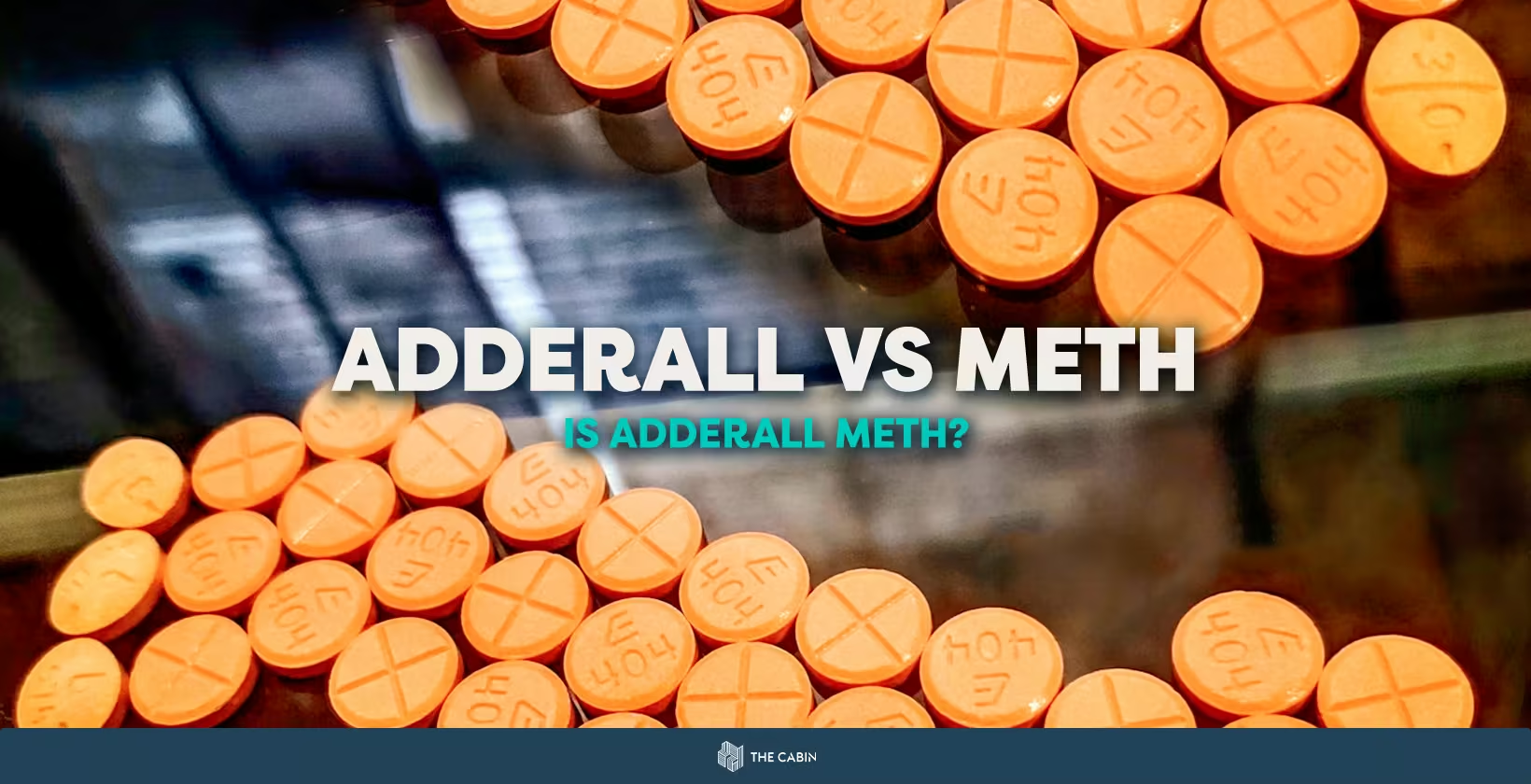
Adderall is a prescription medication made of amphetamine salts that doctors use to treat Attention Deficit Hyperactivity Disorder (ADHD) and Narcolepsy. Meth refers to methamphetamine, a far more potent stimulant found as an illegal street drug, sometimes called crystal meth, ice, or crank, with only extremely rarely under the name Desoxyn. The main chemical difference is that methamphetamine has an extra methyl group, which makes it cross into the brain faster and in larger amounts than the compounds in Adderall.
The comparison of Adderall and Meth shows a clear divide in use. Adderall is taken orally in small, regulated doses of 5 to 30 milligrams under medical supervision, while meth abuse involves much higher, uncontrolled amounts through smoking, injecting, or snorting.
Adderall and meth substances both affect brain chemicals (dopamine and norepinephrine), creating alertness and energy. Methamphetamine produces a stronger and longer-lasting high that carries much higher risks, such as rapid addiction, extreme weight loss, tooth decay (meth mouth), skin sores, and psychosis. Within a medical context, lower doses and controlled production of Adderall make it very different from illegal methamphetamine. Common myths suggesting Adderall is just legal meth are oversimplifying the truth, since there are great differences in potency, medical oversight, and safe dosing. The previous examples noted, separate Adderall from the severe dangers linked to street methamphetamine.
What is Adderall?
 Adderall is a prescription medication that contains a combination of amphetamine salts (dextroamphetamine and amphetamine). Doctors commonly prescribe Adderall to manage Attention Deficit Hyperactivity Disorder (ADHD) in children and adults, and Narcolepsy, a condition that causes sudden and excessive daytime sleepiness. Adderall is a central nervous system stimulant that affects brain chemicals (dopamine and norepinephrine), which contribute to focus, attention, and impulse control.
Adderall abuse occurs when the drug is taken without a prescription, in higher amounts than prescribed, or taken in ways other than swallowing the tablet. Some college students crush and snort Adderall to create a faster and stronger effect, while young professionals may use it as a “study drug” to stay awake longer or improve concentration during demanding school or work schedules. Adderall misuse happens when athletes or entertainers take it for weight loss, to boost energy, or for recreational purposes at social gatherings. Continuous misuse can lead to dependence, and patients may require structured support through Adderall Rehab, which provides medical monitoring, therapy, and guidance to address unhealthy patterns of use.
Is Adderall like Meth?
Yes, Adderall is like meth, but the two drugs have apparent differences. Adderall and methamphetamine belong to the amphetamine family of stimulants and influence dopamine activity in the brain, resulting in substances that can increase alertness, focus, and energy. Adderall contains amphetamine salts, while methamphetamine has a slightly different chemical structure with an added methyl group. That slight variation makes methamphetamine more potent and faster-acting in the brain when compared to Adderall. The chemical similarity between them explains why the two are sometimes compared.
The main differences between Adderall and meth involve potency, structure, and how each substance is used. Adderall is a prescription drug given in controlled doses for medical conditions (ADHD and Narcolepsy), while methamphetamine is most often produced illegally and consumed in far higher amounts. Street meth is smoked, snorted, or injected to create an intense effect, while Adderall is taken orally in measured amounts under medical guidance. People ask whether Adderall is like meth because of public campaigns that highlight the dangers of methamphetamine. This information leads to concerns about prescription stimulants, because they share similar chemistry.
What is Methamphetamine?
 Methamphetamine is a central nervous system stimulant that belongs to the amphetamine class of drugs. It has a chemical structure similar to amphetamine, but contains two added methyl groups that make it stronger and longer-lasting. The substance is made available in two main forms, which are a prescription medication called Desoxyn and an illicit street version called crystal meth, ice, or crank. Desoxyn is prescribed rarely and only for specific medical conditions such as severe ADHD or short-term weight loss under strict controls.
Crystal meth is illegally produced in unregulated labs and consumed in high doses by smoking, injecting, snorting, or swallowing to create intense effects.
Methamphetamine is among the most potent stimulants because its chemical makeup allows it to cross into the brain more quickly and in greater amounts, leading to a surge of dopamine that produces powerful stimulation and extended wakefulness. Use of the illicit version is closely tied to meth addiction, which develops quickly, due to the drug’s intensity and the rapid tolerance that builds with repeated use. Meth addiction is associated with serious risks such as severe dental decay (meth mouth), skin sores, extreme weight loss, paranoia, anxiety, and violent behavior. Prolonged exposure to methamphetamine can alter brain function in ways that make recovery from meth addiction difficult, requiring long-term treatment and structured support.
Think
You May Have
an Addiction?
How is Adderall Different from Meth?
Adderall is different from Meth in terms of chemical structure, potency, legal status, and typical patterns of use. Adderall and Methamphetamine belong to the amphetamine family of stimulants, and both affect dopamine activity in the brain. However, Methamphetamine contains an extra methyl group that allows it to act faster and with greater intensity. Adderall is a prescription drug made from amphetamine salts, and mainly prescribed for ADHD and Narcolepsy. While meth is produced illegally as a street drug and consumed in unregulated, concentrated forms. The differences in their chemistry, strength, and usage set the two substances apart.
The differences between Adderall and Methamphetamine are shown in the table below.
| Aspect | Adderall | Meth (Methamphetamine) |
|---|---|---|
| Legality | Legal prescription medication classified as a Schedule II controlled substance for ADHD and Narcolepsy. | Mostly an illegal street drug. Prescribed only in rare cases as Desoxyn for severe ADHD. |
| Potency | Contains amphetamine salts in controlled, lower doses (5 to 30 mg typical range). | Much more potent due to the added methyl group. Street meth is highly concentrated. |
| Method of Use | Taken orally in tablet or capsule form as prescribed. | Smoked, injected, snorted, or swallowed. Frequently used in binges. |
| Effects on the Brain | Gradually increases dopamine and norepinephrine to improve focus and attention. | Triggers rapid and extensive dopamine release, leading to intense euphoria and prolonged stimulation. |
| Addiction Risk | Lower risk when prescribed and monitored. Risk is higher with misuse. | Extremely high addiction potential, with dependence developing quickly. |
| Health Risks | It can cause elevated heart rate, insomnia, decreased appetite, and anxiety when misused. | Associated with severe dental decay (meth mouth), skin sores, extreme weight loss, paranoia, and aggressive behaviour. |
What is the Chemical Difference Between Adderall and Meth?
The chemical difference between Adderall and Meth lies in their molecular structures, with methamphetamine containing one additional methyl group attached to the amphetamine backbone. Adderall is made up of amphetamine salts (dextroamphetamine and levoamphetamine), which share the basic amphetamine structure. Methamphetamine has the same base structure as amphetamine, but includes an extra methyl group (-CH3) connected to the nitrogen atom in the molecule. The small structural change creates a significant difference in how the drug behaves inside the body.
The added methyl group in methamphetamine makes the compound more lipophilic, meaning it dissolves in fats more easily and crosses the blood-brain barrier faster and in greater amounts than amphetamine. This chemical feature allows methamphetamine to reach brain cells more efficiently and triggers a stronger and quicker release of dopamine when compared to Adderall. The methyl group slows down how quickly enzymes break down methamphetamine, which makes its effects last longer in the body. Adderall’s immediate-release versions last about 4 to 6 hours, while methamphetamine’s effects can extend much longer, ranging from 8 to 12 hours. The differences in structure explain why methamphetamine produces a faster, more powerful impact on the brain than the amphetamine salts found in Adderall, even though the two substances come from the same chemical family.
Does Adderall Contain Meth or Methamphetamine?
No, Adderall does not contain meth or methamphetamine. Adderall is made from amphetamine salts, which include dextroamphetamine and levoamphetamine, and these compounds are not the same as methamphetamine. Adderall and Methamphetamine both belong to the stimulant drug family, which creates confusion since their names sound similar and methamphetamine contains the word “amphetamine.” However, methamphetamine has an extra chemical feature called a methyl group, which makes it a separate substance from the amphetamines used in Adderall.
Adderall is a controlled prescription drug that doctors prescribe for medical conditions and pharmacists dispense under strict regulations. The medication is produced in licensed pharmaceutical facilities with precise dosages and quality controls, and the U.S. Food and Drug Administration (FDA) approves its use. Methamphetamine is most often produced illegally in unregulated labs and sold on the street in forms such as crystal meth. Adderall and methamphetamine come from the same stimulant family, but they are not the same drug.
Is Adderall Similar to Meth in Effects?
Yes, Adderall is similar to meth in effects, although the strength, length, and overall safety of the effects are not the same. Adderall and methamphetamine share a related chemical structure because they belong to the amphetamine family. The two substances both act by increasing dopamine and norepinephrine activity in the brain. Each can create outcomes such as sharper focus, higher energy, reduced appetite, and an elevated sense of alertness or mood. Methamphetamine produces these effects with far greater intensity, creating a strong sense of euphoria and extreme stimulation. While Adderall, at prescribed doses, produces a more controlled boost in focus and concentration.
The main differences are seen in how powerful the effects are, how long they last in the body, and the overall safety profile of each drug. Methamphetamine enters the brain more quickly than Adderall because of its chemical structure, which leads to a rapid and intense “rush” that lasts much longer, around 8 to 12 hours. Adderall’s immediate-release versions last about 4 to 6 hours, making its effects shorter and less overwhelming. Misuse of Adderall in large doses can produce results similar to methamphetamine, although they are less extreme. Adderall and methamphetamine can both lead to drug addiction when misused. However, methamphetamine carries a much higher potential for dependence, because it has a more substantial euphoric effect on the brain. Adderall remains a controlled prescription drug with strict manufacturing standards, while methamphetamine is commonly produced in unregulated street labs with far greater risks.
What is the Difference Between Adderall and Meth in Medical Use?
The main difference between Adderall and meth in medical use centers is how doctors prescribe them and for what conditions. Adderall is a common prescription drug in the United States, with doctors frequently using it to treat Attention Deficit Hyperactivity Disorder (ADHD) in children and adults, and Narcolepsy, which is a disorder that causes sudden and uncontrollable episodes of sleep. Millions of Adderall prescriptions are written each year, and the drug is a standard treatment option for managing ADHD. Methamphetamine is available in a prescription form called Desoxyn, but doctors rarely prescribe it. Physicians may prescribe Desoxyn for severe ADHD cases that have not responded to other medications or for short-term weight loss in obesity when other methods have not been effective. The use of Desoxyn in medical settings is minimal due to its high risk of misuse.
The intent behind prescribing Adderall or methamphetamine differs. Doctors prescribe Adderall to improve focus, attention, and behavioral control for those struggling with ADHD symptoms. Pharmacies regularly stock the medication for patients and supply it with valid prescriptions. Desoxyn is viewed as a last-resort drug because of methamphetamine’s high risk of misuse, and most pharmacies do not carry it at all. Physicians who prescribe Desoxyn closely monitor their patients due to concerns about misuse and dependence. Methamphetamine encountered outside medical settings is not prescription-grade Desoxyn, but illegally manufactured crystal meth. Adderall and methamphetamine are classified as Schedule II controlled substances, but Adderall plays a consistent role in mainstream medical treatment, whereas methamphetamine’s medical use is rare and highly restricted.
Is ADHD Medication Like Adderall Basically Meth?
No, ADHD medication like Adderall is not basically meth, although people tend to believe so, because the two substances are stimulants that belong to the amphetamine family. The comparison comes from the fact that Adderall contains amphetamine salts, while methamphetamine has a nearly identical name and a closely related structure. Adderall and Methamphetamine increase dopamine in the brain and can lead to greater focus, alertness, and energy, causing some people to believe they are the same drug. The presence of the word “amphetamine” in their names further fuels the misconception, along with social discussions that oversimplify the relationship between prescription stimulants and street meth.
The differences between Adderall and methamphetamine are significant in terms of chemical makeup, potency, and how each is used. Methamphetamine has an additional methyl group that makes it stronger and allows it to cross into the brain more quickly, creating much more intense effects compared to Adderall. Doctors prescribe Adderall in low, measured doses, between 5 and 30 milligrams per day, while methamphetamine is consumed in large, unregulated amounts when used recreationally. Adderall treatment for ADHD involves careful medical supervision, with physicians monitoring dosage adjustments and patient responses over time. Patients take Adderall in pill form at controlled levels to improve attention and reduce hyperactivity, whereas street meth is used in ways that amplify its risks. Medical oversight and regulated dosing make Adderall a prescription treatment rather than a street drug, even though they belong to the same stimulant class.
Is Ritalin or Methylphenidate the Same as Meth?
No, Ritalin (methylphenidate) is not the same as meth (methamphetamine). Methylphenidate is a prescription stimulant medication that doctors prescribe under brand names such as Ritalin, Concerta, and Metadate to manage ADHD and Narcolepsy. Methylphenidate works by blocking the reuptake of dopamine and norepinephrine, which means it prevents these neurotransmitters from being absorbed too quickly, allowing them to stay active longer in the brain. This process helps improve focus, attention, and impulse control in individuals with ADHD. The confusion between Ritalin and meth comes from the shared “meth” prefix in their names, even though they are very different drugs.
The chemical and medical differences between methylphenidate and methamphetamine are significant. Methylphenidate belongs to the piperidine class of compounds, while methamphetamine is part of the amphetamine class, which makes their molecular structures quite distinct. Methylphenidate increases dopamine gradually by blocking transporters, while methamphetamine causes neurons to release dopamine rapidly and in much larger amounts. The effects of methylphenidate are milder and shorter-lasting compared to the powerful and intense impact of methamphetamine. Doctors prescribe Ritalin in carefully measured doses taken orally, and it is accepted as a standard ADHD treatment. Methamphetamine is rarely prescribed and is more commonly encountered as an illegal street drug. The differences show that Ritalin is a regulated ADHD medication, not the same as meth.
What is the Difference Between Methylphenidate vs Methamphetamine?
The difference between Methylphenidate and Methamphetamine lies in how each drug acts on brain chemicals, how long the effects last, and the strength of the effects. Methylphenidate works by blocking dopamine and norepinephrine transporters, which slows down the reabsorption of these neurotransmitters and allows them to remain active longer in the spaces between brain cells. This process creates a steady and controlled increase in dopamine and norepinephrine levels. Methamphetamine works more forcefully by entering neurons directly, triggering them to release large amounts of dopamine, and even reversing the transporters to push more dopamine out. The action causes a rapid and overwhelming surge of neurotransmitters that is very different from the gradual effect of methylphenidate.
The duration, potency, and outcomes of methylphenidate and methamphetamine separate the two compounds. Methylphenidate lasts about 3 to 4 hours in immediate-release form or up to 12 hours in extended-release versions. While methamphetamine effects can stretch well beyond 12 hours with just a single dose. Methamphetamine is much more potent because it crosses into the brain faster and produces a larger spike in dopamine compared to methylphenidate. Methylphenidate is mainly used therapeutically when prescribed and supervised to improve focus, attention, and impulse control in ADHD treatment. Methamphetamine is far more likely to lead to harmful outcomes. It can be prescribed in very rare cases as Desoxyn, or used illegally as street meth. Its high potency, long duration, and powerful impact on brain chemistry make it risky. The differences noted, highlight that methylphenidate is structured for medical use, while methamphetamine’s illegal and non medical use makes it much more dangerous.
What is the Difference Between Dextroamphetamine vs Methamphetamine?
The difference between Dextroamphetamine and Methamphetamine centers on chemical structure, strength, and how each substance is used in everyday settings. Dextroamphetamine is a pure form of amphetamine that makes up part of Adderall and is available under brand names such as Dexedrine and ProCentra for ADHD and Narcolepsy treatment. Its structure is the dextro form of the amphetamine molecule, which is the more active mirror image of the compound. Methamphetamine shares the same basic backbone as amphetamine, but has an added methyl group attached to the nitrogen atom. This small change allows methamphetamine to pass into the brain faster and in greater amounts, making it more powerful than dextroamphetamine.
Methamphetamine produces stronger and longer-lasting effects compared to dextroamphetamine, because of the structural difference. Methamphetamine creates a rapid and intense response that lasts eight to twelve hours or more, while dextroamphetamine lasts about four to six hours in immediate-release form. Dextroamphetamine is prescribed by doctors in controlled oral doses to manage ADHD and Narcolepsy, making it a standard and accepted part of medical practice. Methamphetamine appears mostly in illegal forms (crystal meth, ice, or crank), which are made in illicit labs and consumed through smoking, injecting, or snorting. Prescription methamphetamine exists under the name Desoxyn, but doctors prescribe it rarely, which leaves dextroamphetamine as the more common medication in legitimate treatment.
Is Vyvanse the Same as Meth or a Safer Alternative?
No, Vyvanse is not the same as meth, and it is a safer alternative compared to other stimulants in terms of misuse potential. Vyvanse is the brand name for lisdexamfetamine, a prescription medication used for ADHD and binge-eating disorder. Lisdexamfetamine is a prodrug, meaning it starts in an inactive form and only becomes active once the body converts it into dextroamphetamine through natural processes in the blood. The conversion happens gradually, which creates slower and steadier effects compared to the rapid and intense impact of methamphetamine.
Vyvanse acts more slowly than Adderall and methamphetamine, because the body must break it down before it becomes effective. The process produces a smooth and consistent release of dextroamphetamine over 10 to 14 hours, rather than creating sharp highs and lows. The design of Vyvanse lowers the chances of misuse, since crushing or injecting the medication does not bypass the body’s need to convert it. Whereas methamphetamine moves into the brain almost immediately when smoked or injected, producing strong and fast effects. Vyvanse is chemically related to methamphetamine through its link to dextroamphetamine, but its controlled delivery system and slower action set it apart. These defining characteristics make it a much safer option for prescribed treatment.
Is Adderall the Same as Speed?
Yes, Adderall is the same as speed in the sense that “speed” is a street term that can include Adderall, although the slang refers to a broader group of amphetamine-type stimulants. The word “speed” is used to describe amphetamine drugs that increase alertness and energy, which may include prescription stimulants (Adderall) when used without a prescription, illegally produced amphetamine powders or pills, and sometimes methamphetamine. Street dealers and users may refer to Adderall as “speed” when it is obtained without medical approval, grouping it with other stimulant substances. The nickname comes from the fast-paced effects linked with amphetamines, such as heightened energy and sharper focus.
The similarities between Adderall and street speed are that they both involve amphetamine compounds that act as stimulants. The main differences come from their differing purity, control, and context of use. Adderall is manufactured under strict pharmaceutical standards with specific doses of amphetamine salts, in tablets ranging from 5 to 30 milligrams. Street speed does not have consistent strength or quality, because it is made in unregulated settings and may be mixed with other substances. Adderall in medical settings is taken under prescription directions, while street speed is used in uncontrolled ways with uncertain dosages. Adderall is a legally controlled prescription medication, while “speed” in street language refers to illicit amphetamine use outside medical supervision.
Don’t Let
Addiction
Hold You Back
Why do People Confuse Adderall with Meth?
People confuse Adderall with meth because of media portrayals, slang terms, and chemical similarities that create a misleading impression that the two substances are the same. Television shows such as Breaking Bad placed methamphetamine into popular culture. Sensational headlines claim that ADHD medications are “basically meth,” which reinforces this misconception. The word “amphetamine” appears in the names of Adderall and methamphetamine, encouraging the assumption that the prescription drug and the illicit substance are identical. Street slang adds another layer of confusion since “speed” can refer to Adderall obtained without a prescription, illegally manufactured amphetamine, or methamphetamine, depending on the context. Online discussions also spread the idea that Adderall is “pharmaceutical meth,” oversimplifying the scientific relationship between these stimulants.
The chemical overlap between Adderall and methamphetamine provides a partial reason for the confusion. Adderall contains a combination of dextroamphetamine and levoamphetamine, while methamphetamine shares a similar backbone but has an added methyl group that increases its potency and allows it to reach the brain more quickly. Adderall and methamphetamine influence dopamine activity and can increase alertness and focus, which strengthens the false belief that they function the same way. Misunderstandings about ADHD medications complicate the issue, with critics assuming that prescribing stimulants simply mimics recreational drug use. Prescribed Adderall is produced under strict pharmaceutical standards, it is provided in measured doses that range from 5 to 30 milligrams, and taken in controlled medical settings. Methamphetamine on the street is manufactured without regulation, distributed in highly variable amounts, and used in binges that may involve hundreds of milligrams. The blurred distinction between medical treatment and illicit drug use sustains the widespread confusion surrounding these two chemically related, but very different substances.
Does Adderall Feel Like Meth?
No, Adderall does not feel like meth when used as prescribed. Although people sometimes confuse the two, they are chemically related stimulants. Adderall taken in therapeutic doses for ADHD creates a steady sense of focus and improved concentration, rather than an intense rush or euphoria. ADHD patients describe Adderall as calming or helpful in leveling out scattered thoughts, allowing them to complete tasks without feeling “high.” The effects of prescribed Adderall are gradual, predictable, and shorter, lasting 4 to 6 hours for immediate-release tablets or longer for extended-release versions. Misuse of Adderall at very high doses, by crushing and snorting, or by taking it without medical supervision, can create stronger stimulant effects that begin to resemble methamphetamine, but even then, the intensity is less extreme.
Methamphetamine produces a very different experience because of its stronger potency, faster entry into the brain, and much longer duration. Street meth causes an immediate and overwhelming surge of euphoria, confidence, and stimulation, with effects that can last 8 to 12 hours or longer. People describe meth as producing an intense, “wired” state with racing thoughts, high energy, and behaviors that feel compulsive or uncontrollable, which goes far beyond what Adderall produces at prescribed levels. The comparison between Adderall and meth comes from overlapping stimulant effects like increased alertness or reduced appetite, but the scale, quality, and context of use make the experiences very different.
How does the Addiction Risk of Adderall Compare to Meth?
The addiction risk of Adderall is compared to methamphetamine by the factors listed below.
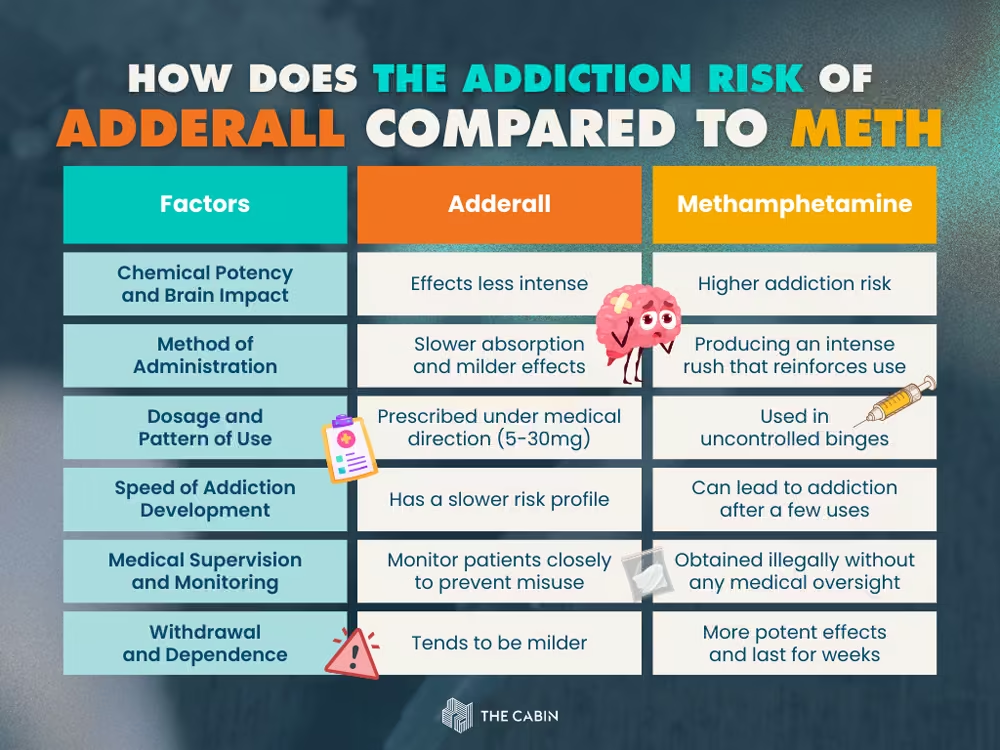
- Chemical Potency and Brain Impact: Methamphetamine carries a higher addiction risk because its chemical structure allows it to enter the brain faster and in larger amounts. The added methyl group in methamphetamine helps it cross the blood-brain barrier quickly, causing a rapid release of dopamine that produces intense euphoria. Adderall raises dopamine more gradually at prescribed oral doses, which makes its effects less intense.
- Method of Administration: Adderall is taken as a swallowed tablet or capsule, creating slower absorption and milder effects. Methamphetamine is smoked or injected, sending the drug into the brain within seconds and producing an intense rush that reinforces use. Misusing Adderall by crushing and snorting it, or by taking very high doses, raises the risk to a level closer to methamphetamine.
- Dosage and Pattern of Use: Adderall prescriptions involve measured daily doses ranging from 5 to 30 milligrams that are prescribed under medical direction. Methamphetamine is used in uncontrolled binges where hundreds of milligrams are consumed repeatedly over several days without sleep. The binge pattern increases tolerance and dependence much faster than the structured dosing of Adderall.
- Speed of Addiction Development: Methamphetamine can lead to addiction after a few uses due to its powerful rewarding effects. Adderall has a slower risk profile, with dependence developing more gradually when people misuse it. Methamphetamine dependence can appear within weeks or months, while Adderall dependence develops more slowly.
- Medical Supervision and Monitoring: Doctors who prescribe Adderall monitor patients closely to prevent misuse, watch for warning signs, and adjust treatment if problems occur. This careful monitoring helps identify the side effects of prescription drug abuse, such as tolerance, appetite loss, or sleep issues, before they worsen. Methamphetamine that is obtained illegally without any medical oversight, allows for addiction to grow unchecked.
- Withdrawal and Dependence: Withdrawal symptoms appear with both of these substances, but methamphetamine produces more potent effects. Methamphetamine withdrawal can involve deep depression, extreme tiredness, and intense cravings that last for weeks. Adderall withdrawal at normal therapeutic doses tends to be milder, though misuse at high levels may cause more serious symptoms. The severity of methamphetamine withdrawal leads to higher relapse rates compared to Adderall.
Quit
Addiction
with Our Support!
What are the Long-Term Effects of Adderall vs Meth?
The long-term effects of Adderall are psychological dependence, cardiovascular problems, sleep disruption, appetite suppression, tolerance, and mood changes. Psychological dependence appears when people feel unable to function, work, or study without the medication. Cardiovascular concerns (high blood pressure, irregular heartbeat, and heart strain) may develop over time. Persistent sleep disruption occurs because the stimulant effects interfere with normal rest patterns, leading to chronic insomnia and fatigue. Appetite suppression may cause weight loss and nutritional deficiencies when meals are skipped regularly. Anxiety and mood issues can develop as long-term misuse affects brain chemicals. Tolerance builds gradually, requiring larger doses for the same effects, which increases risks.
The long-term effects of meth are severe brain damage, psychosis, tooth decay, skin sores, extreme weight loss, and permanent cognitive decline. Brain structure changes may occur over time, with lasting damage to areas that control memory, decision-making, and emotional regulation. Psychosis and paranoia can continue for months or even years, including hallucinations and delusional thinking. Severe dental problems (meth mouth) lead to extreme tooth decay, gum disease, and tooth loss. Skin sores and scarring appear from compulsive scratching, while drastic weight loss results from binge use combined with appetite suppression. Cognitive decline is permanent, with lasting difficulties in memory, focus, and impulse control. Cardiovascular damage is extensive, increasing the risk of heart attack, stroke, and weakened heart muscles.
Methamphetamine produces more severe, visible, and lasting damage than Adderall misuse. Adderall-related concerns can improve or resolve when people stop misusing it and receive medical care. However, some of methamphetamine’s effects can last a lifetime. The timeline differs, with methamphetamine causing rapid and dramatic health deterioration within months, while Adderall’s long-term effects emerge more slowly over multiple years. Methamphetamine addiction creates more devastating social and functional consequences, compared to Adderall dependence, with far higher rates of visible physical decline, lasting cognitive problems, and life disruption.
Is Adderall Safer Than Methamphetamine Overall?
Yes, Adderall is safer than methamphetamine overall when prescribed and taken under medical supervision. Doctors prescribe Adderall in carefully measured doses, between 5 and 30 milligrams per day, and adjust the amount based on each patient’s response while monitoring heart rate, blood pressure, sleep, and mood. Pharmaceutical companies produce Adderall in regulated facilities with strict quality control, which ensures consistency in dosing. Patients take Adderall orally and on a consistent schedule, creating gradual effects rather than the intense rush linked to recreational drug use. The FDA approved Adderall for medical use after extensive testing, confirming its role as a controlled treatment option when used correctly. Methamphetamine is chemically stronger and enters the brain more quickly, creating more intense effects that carry higher risks, whether as prescription Desoxyn or obtained in street forms like crystal meth.
The risks of misuse noted above highlight the differences between Adderall and methamphetamine. Misusing Adderall by taking excessive amounts, using it without medical guidance, or altering the method of intake increases dangers (psychological dependence, disrupted sleep, and cardiovascular stress). Adderall misuse produces less severe outcomes when compared to methamphetamine. Methamphetamine use can lead to rapid addiction, severe brain changes, dramatic weight loss, tooth decay, skin damage, and long-lasting mental health problems. Street methamphetamine brings added dangers, because illegal manufacturers produce it with unpredictable doses and add in toxic additives. Adderall is safer than methamphetamine due to lower potency, gradual absorption, consistent pharmaceutical quality, and medical oversight that helps detect issues early. Adderall still carries risks, since it can cause insomnia, appetite loss, anxiety, irritability, and dependence. Adderall and methamphetamine both remain as Schedule II controlled substances. However, the context of use, method of intake, and presence of medical supervision explain why prescription Adderall carries fewer risks.
How Close is Adderall to Meth?
Adderall is 85% to 90% close to meth. Adderall and methamphetamine are chemically close because they belong to the same amphetamine family of stimulants and share a nearly identical molecular structure. Adderall contains amphetamine salts (dextroamphetamine and levoamphetamine), while methamphetamine has the same backbone with one extra methyl group attached to the nitrogen atom. The small structural change allows Adderall and methamphetamine to act in similar ways by increasing dopamine and norepinephrine in the brain, which produces overlapping effects like greater focus, alertness, reduced appetite, and elevated mood. Adderall and methamphetamine stimulate the central nervous system, which is the reason they are sometimes compared to one another. Misuse of Adderall at high doses can produce similar effects that feel closer to methamphetamine.
One of the key differences that separates Adderall and methamphetamine is that Methamphetamine is more potent than Adderall, because the extra methyl group allows it to enter the brain faster and in larger amounts, triggering a stronger dopamine release and more intense euphoria. Methamphetamine’s effects also last longer (8 to 12 hours), compared to the 4 to 6 hours typical for immediate-release Adderall. Doctors commonly prescribe Adderall in measured doses for ADHD or Narcolepsy, while methamphetamine prescriptions under the name Desoxyn are extremely rare. Methamphetamine exists as an illegal street drug manufactured without regulation, frequently smoked or injected in large amounts, while Adderall comes in regulated tablets taken orally. The dangers associated with methamphetamine are more severe, with rapid addiction, physical damage, and long-lasting mental health issues, which are often reported far more than with Adderall.
Adderall and methamphetamine are close relatives in chemistry and share some functional traits, but their differences in potency, medical use, and patterns of consumption make them distinctly different. Adderall serves as a regulated medication used under supervision, while methamphetamine is primarily an illicit street drug associated with far greater risks. Comparing the two highlights how a slight structural difference can create a significant divide in effects and outcomes, showing that Adderall is not the same as methamphetamine.
If you or someone you know is struggling with stimulant abuse
Contact an addiction specialist for assistance, like The Cabin Sydney. We are here to support your journey to recovery.
