
Party drugs are risky due to unknown contents. Understand the dangers of party drugs and how they impact the brain and body to stay informed and safe.
Party drugs are psychoactive substances used in social settings to heighten energy, mood, and sensory perception. The party drugs are common in nightclubs, concerts, and festivals where partygoers seek prolonged wakefulness and increased social connection. Methylenedioxymethamphetamine (MDMA), Cocaine, Lysergic Acid Diethylamide(LSD), Ketamine, and Gamma-Hydroxybutyrate (GHB) represent the main types of club drugs that affect the brain’s neurotransmitters, producing temporary euphoria and stimulation. The effects of club drugs include increased confidence, empathy, and altered sensory experiences. Party drugs present severe health risks despite their short-term appeal (dehydration, heatstroke, heart complications, anxiety, and addiction). The prevalence of their use continues to rise among young adults, due to their association with nightlife culture and peer influence. Making the awareness of their dangers even more critical for supporting harm reduction and public health.
What are Party Drugs?
Party drugs are substances used to improve social experiences in environments such as dance clubs, parties, and music festivals. The popularity of party drugs comes from their ability to boost mood, energy, and sensory perception during social gatherings. The term club drugs is used interchangeably with party drugs and originated from their connection to dance clubs, raves, and nightlife culture. The emergence of the term occurred in the late 1980s and 1990s alongside the rise of rave and underground dance scenes, where MDMA (Ecstasy), LSD, Ketamine, and GHB were commonly used for their mind-altering effects. Alcohol and Cannabis are labelled as party drugs in casual settings, but are not consistently classified as club drugs, because of their different effects and legal status. The definition of club drugs is the psychoactive substances consumed in nightlife and social venues to alter mood, perception, and consciousness. The club drugs definition highlights substances popular in rave and club environments where individuals seek increased sensory stimulation and altered awareness.
How Dangerous are Party Drugs?
Party drugs are very dangerous and carry significant risks to health and well-being. The use of substances like methylenedioxymethamphetamine(MDMA) (Ecstasy), Lysergic Acid Diethylamide(LSD), Ketamine, and GHB is linked to severe physical and psychological harm. MDMA leads to dehydration, hyperthermia, and electrolyte imbalances, resulting in organ failure or death. The National Institute on Drug Abuse (NIDA) reports that in 2018, 1 in 4 people who used Ecstasy experienced adverse effects (seizures or heart failure). The effects of LSD include hallucinations, panic attacks, and persistent changes in mood and perception, even though it is rarely associated with fatal overdoses. Ketamine is known for its dissociative effects and has been linked to long-term bladder damage, cognitive deficits, and psychological dependence. GHB (date rape drug) causes respiratory depression, unconsciousness, and death when combined with alcohol. Alcohol and Cannabis, while not always classified as ‘club drugs’, are involved in party settings and pose health risks of their own. Alcohol leads to impaired judgment, alcohol poisoning, and increased risk of accidents. Cannabis use in high doses impairs cognitive function and increases the risk of developing mental health disorders. Party drugs are illegal and pose serious health risks that have immediate and long-term consequences.
What are the Common Types of Party or Club Drugs?
The common types of party or club drugs are listed below.
- Stimulants: Stimulants increase energy, alertness, and sociability. MDMA (ecstasy), Cocaine, and Amphetamines are common stimulants. These drugs work by boosting the levels of neurotransmitters like serotonin and dopamine in the brain, increasing mood and energy levels. These drugs are classified under types of club drugs due to their popularity in nightlife settings.
- Depressants: Depressants have a calming or sedative effect, slowing down the central nervous system. GHB and benzodiazepines (Rohypnol) fall into this category. The drugs induce relaxation, reduce anxiety, and impair motor skills and memory, which increases the risk of dangerous behaviour. These types of substances are part of the list of club drugs used in party environments.
- Hallucinogens: Hallucinogens alter perception, leading to vivid sensory experiences or distorted reality. LSD and Psilocybin (magic mushrooms) are common hallucinogens. These drugs work by disrupting the normal processing of sensory information, causing visual and auditory hallucinations. The drugs are classified as types of party drugs due to their recreational use in social gatherings.
- Dissociatives: Dissociatives disconnect the user’s sense of reality and cause feelings of detachment from the body and environment. Ketamine and Phencyclidine (PCP) are examples of dissociatives. These drugs induce a trance-like state and lead to impaired coordination, memory loss, and severe psychological effects.
What are Common Names for Party Drugs?
The common names for party drugs are listed below.
- MDMA (Ecstasy): Ecstasy is referred to as Molly, E, or Adam. The names are used in social settings and rave culture, classified under club drugs names due to their popularity in nightlife environments.
- Cocaine: Cocaine is called Blow, Snow, Coke, and Yayo in party environments where the drug is consumed recreationally.
- LSD: LSD is known as Acid, Lucy, Blotter, or Windowpane in underground and club settings.
- GHB: GHB is referred to as G, Liquid Ecstasy, or Georgia Home Boy in party and clubbing scenes due to its sedative effects.
- Ketamine: Ketamine is known by street names like K, Special K, Vitamin K, and Kit Kat in recreational drug circles and club environments.
- Psilocybin (Magic Mushrooms): Magic mushrooms are called Shrooms, Caps, or Magic Mushies. These names are used by partygoers who consume them in party or group settings. Shrooms, Caps, and Magic Mushies are typical party drugs name found in social gatherings with a focus on mind-altering experiences.
- Heroin: Heroin is called Smack, Horse, Dope, and Brown Sugar, though it is less associated with party scenes compared to other substances.
- Methamphetamine: Methamphetamine is known by street names like Meth, Crystal, Ice, and Crank in party and underground settings.
- PCP (Phencyclidine): PCP is referred to as Angel Dust, Wack, and Sherm in recreational drug circles.
- Benzodiazepines: Benzodiazepines are called Roofies (Rohypnol), Xanax, Valium, and Bars, used for their sedative and calming effects in social and party environments.
Is Cocaine Considered a Party Drug?
Yes, Cocaine is considered a party drug. Cocaine is used in party and club settings due to its stimulant effects, which increase energy, alertness, and sociability. Cocaine is consumed to improve social experiences in environments where people seek to stay awake and active for extended periods (nightclubs, concerts, and parties). The drug’s ability to temporarily elevate mood and create a sense of euphoria contributes to its classification as a party drug. The cocaine side effects include significant health risks (heart attack, stroke, and addiction), which make its use highly risky despite its popularity in specific environments.
Breaking Free
& Reclaiming
Your Joy
Is LSD or Acid a Club Drug?
Yes, LSD or Acid is a club drug. Lysergic acid diethylamide(LSD) is used in club and rave settings due to its hallucinogenic effects, which alter perception, improve sensory experiences, and induce a sense of euphoria. Individuals seek altered states of consciousness in psychedelic environments, which LSD provides through vivid visual and auditory hallucinations. The drug carries significant risks, while its use in social and party settings contributes to its classification as a club drug. LSD causes intense psychological reactions (anxiety, paranoia, and long-lasting changes in mood and perception). LSD remains popular in certain nightlife circles, due to the powerful mind-altering experiences it offers despite its dangers.
Is Meth a Party Drug?
Yes, Methamphetamine (meth) is a party drug. Meth is a potent stimulant that increases energy, focus, and sociability, making it a popular choice in party and club settings. Meth induces a powerful rush of euphoria and heightened alertness, which is popular in environments where people engage in prolonged social activities (nightclubs and raves). The drug is extremely dangerous despite its popularity in recreational circles. Meth has significant health risks, including addiction, heart problems, and severe psychological effects (paranoia, aggression, and hallucinations). These risks make meth a harmful drug, even though it remains prevalent in particular party and club scenes.
Is PCP a Club Drug?
Yes, PCP is considered a club drug. Phencyclidine(PCP) is a dissociative drug that induces a sense of detachment from reality and causes hallucinations and altered perceptions. PCP has been used recreationally in party and club settings due to its powerful mind-altering effects. The drug is present in underground and rave cultures where users seek intense and disorienting experiences. PCP is less used than other club drugs, such as MDMA or ketamine. However, PCP is extremely dangerous, as it causes violent behaviour, severe paranoia, and long-lasting psychological effects. These risks, combined with its ability to induce severe dissociation, make PCP a hazardous substance, even though it remains part of some club drug environments.
What are the Symptoms of Party Drug Use or Overdose?
The symptoms of party drug use or overdose are listed below.
- Increased Heart Rate: A common symptom of stimulant drugs like cocaine and MDMA (ecstasy). The drugs lead to arrhythmia or heart failure in extreme cases.
- Elevated Body Temperature: MDMA (ecstasy), methamphetamine, and cocaine cause hyperthermia, which leads to dehydration, organ failure, or death.
- Severe Anxiety and Paranoia: Stimulants (cocaine and methamphetamine) trigger heightened anxiety and paranoia, leading to erratic behaviour or violent reactions.
- Hallucinations and Delusions: LSD, PCP, and magic mushrooms (psilocybin) cause visual and auditory hallucinations. Overdose or prolonged use intensifies the effects and leads to dangerous behaviour.
- Nausea and Vomiting: GHB and ketamine are known to cause nausea and vomiting when taken in large doses or mixed with alcohol.
- Loss of Coordination: Depressant drugs like GHB, ketamine, and benzodiazepines impair motor skills, leading to unsteady movements, loss of balance, and difficulty speaking.
- Unconsciousness or Coma: Overdose of GHB, ketamine, and benzodiazepines results in unconsciousness or even a coma due to their sedative effects.
- Severe Dehydration: Drugs like MDMA (ecstasy) and methamphetamine increase body temperature and cause dehydration, which can lead to kidney failure if untreated.
- Respiratory Depression: Overdoses of GHB, benzodiazepines, and opioids (such as heroin) cause slowed or stopped breathing, which is life-threatening if not addressed immediately.
- Severe Aggression or Violence: PCP and some stimulants like methamphetamine lead to extreme aggression or violent behavior with little provocation.
Seek medical help when a person shows signs of severe distress after using party drugs. Party drugs symptoms include confusion, rapid heartbeat, and excessive sweating. Immediate care is vital when overdose symptoms (seizures, high body temperature, or unconsciousness occur). Hallucinations, paranoia, and erratic behaviour indicate toxic effects that require medical evaluation. The effects of designer drugs may last longer and cause unpredictable harm to major organs. Repeated misuse leads to severe physical and mental damage linked to Drug Abuse.
Seek medical help when a person shows signs of severe distress after using party drugs. Party drugs symptoms include confusion, rapid heartbeat, and excessive sweating. Immediate care is vital when overdose symptoms (seizures, high body temperature, or unconsciousness occur). Hallucinations, paranoia, and erratic behaviour indicate toxic effects that require medical evaluation. The effects of designer drugs may last longer and cause unpredictable harm to major organs. Repeated misuse leads to severe physical and mental damage linked to Drug Abuse.
Notice these signs in a loved one?
Don’t wait for a crisis—contact us now for life-saving support
What are the Side Effects of Party Drugs?
The side effects of party drugs can be physical and psychological reactions that occur after consuming substances (MDMA, Cocaine, LSD, Ketamine, and GHB) in social or club environments. Club drugs side effects include increased heart rate, high blood pressure, dehydration, and irregular body temperature, which raise the risk of cardiac and organ complications. Stimulants cause hyperactivity and insomnia, while depressants result in drowsiness, confusion, and slowed breathing. Hallucinogens and dissociatives lead to distorted sensory perception, paranoia, and panic attacks. Continuous use damages brain chemistry, leading to dependence, emotional instability, and cognitive impairment. The side effects of club drugs vary depending on the substance, dosage, and frequency of use, but consistent misuse results in serious long-term harm to the heart, liver, and nervous system.
What do Club Drugs do to the Body?
Club drugs create a variety of body alterations in neurotransmitter activity involving serotonin, dopamine, and norepinephrine, which regulate mood, energy, and perception. This type of chemical imbalance, produced by the substances disrupts brain communication pathways, and triggers unpredictable changes in behaviour and emotion. Stimulants raise heart rate, blood pressure, and body temperature, increasing the risk of dehydration and cardiovascular stress. Depressants slow brain activity, causing confusion, drowsiness, and impaired coordination.
Hallucinogens and dissociative drugs distort sensory processing, leading to hallucinations, disorientation, and a sense of detachment from reality. Long-term use results in structural brain damage, weakened immune response, and dysfunction of major organs (the heart, liver, and kidneys). Continuous exposure causes dependence, memory deterioration, and persistent mood disorders, contributing to the harmful effects of drugs on the body.
What do Club Drugs do to the Brain?
Club drugs can affect the brain by altering chemical balance and neural communication. The substances interfere with neurotransmitters (serotonin, dopamine, and norepinephrine), which regulate mood, pleasure, energy, and perception. The overstimulation of chemicals produces temporary euphoria and heightened sensory awareness, and leaves the brain depleted afterwards, resulting in fatigue, depression, and anxiety. Stimulant club drugs (MDMA and cocaine) overstress neural pathways, damaging serotonin receptors and reducing the brain’s ability to regulate mood naturally.
Depressants (GHB and benzodiazepines) suppress brain activity, leading to memory loss and impaired judgment. Hallucinogens and dissociative drugs (LSD and ketamine) distort sensory processing and disrupt connections between perception and reality. Long-term use of club drugs damages brain structure, weakens memory, and disrupts emotional stability through neural cell destruction and chemical imbalance, forming part of the effects of drugs on the brain.
Worried
About
Party Drug Risks?
What are the Short-Term Effects of Club Drugs?
The short-term effects of club drugs are listed below.
- Euphoria: Club drugs trigger intense pleasure and well-being by stimulating dopamine and serotonin release. The sudden rush creates feelings of happiness and sociability that last for four to six hours.
- Increased Energy: Stimulant-based drugs ( MDMA and cocaine) produce bursts of energy and alertness. Users feel active and awake for long periods, leading to physical exhaustion afterward.
- Empathy and Emotional Warmth: MDMA and similar substances heighten emotional connection and affection. The effect is linked to elevated serotonin levels that increase trust and closeness among people.
- Sensory Boost: Substances (LSD and ketamine) intensify colors, lights, sounds, and touch sensations. The distortion of perception alters the experience of music and movement during social events.
- Jaw Clenching and Muscle Tension: Stimulant drugs cause involuntary jaw tightening, teeth grinding, and muscle stiffness, which are common side effects after prolonged use.
- Dehydration and Overheating: Prolonged activity combined with drug-induced hyperthermia results in dehydration and heat exhaustion, posing a risk of organ failure in crowded environments.
- Nausea and Dizziness: The disruption of brain and gut communication creates nausea, blurred vision, and loss of balance under stimulant or hallucinogenic influence.
- Anxiety and Paranoia: Elevated dopamine levels trigger panic, restlessness, or fear once the euphoric effects wear off. The sudden chemical drop leads to emotional instability and confusion.
What are the Long-Term Effects of Club Drugs?
The long-term effects of club drugs are listed below.
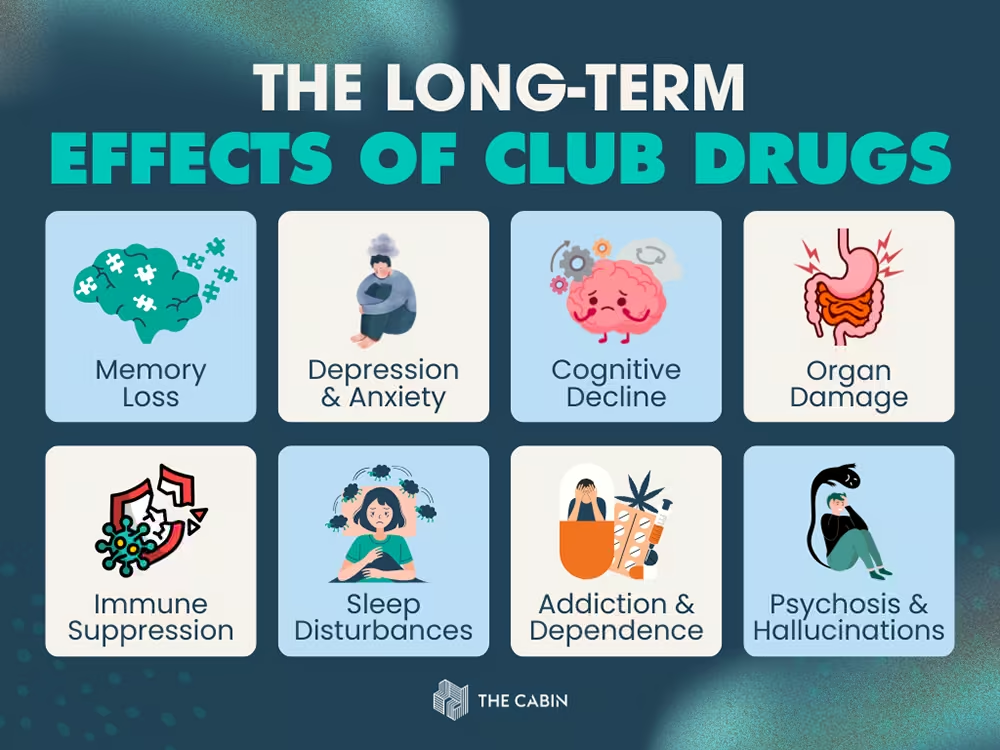
- Memory Loss: Chronic exposure to club drugs disrupts brain chemistry, damaging neurons responsible for learning and recall. Long-term users experience difficulty concentrating, forming memories, and retaining information.
- Depression and Anxiety: Continuous interference with serotonin and dopamine regulation results in persistent mood disorders. The brain’s reduced ability to produce natural pleasure responses leads to emotional instability and psychological dependence.
- Cognitive Decline: Repeated overstimulation of neural pathways weakens brain function, slowing reaction times, impairing decision-making, and reducing mental sharpness.
- Organ Damage: Prolonged drug use strains the cardiovascular system and vital organs. The heart experiences irregular rhythms and increased risk of heart failure, while the liver and kidneys suffer toxicity-related injury due to drug buildup in the bloodstream.
- Immune System Suppression: Long-term stimulant and depressant use weakens immune defences, leaving the body more vulnerable to infections and illness.
- Sleep Disturbances: Extended drug use alters natural sleep patterns, leading to insomnia, vivid nightmares, and chronic fatigue.
- Addiction and Dependence: The brain becomes conditioned to rely on the drugs for chemical stimulation, leading to compulsive use, withdrawal symptoms, and loss of control.
- Psychosis and Hallucinations: Continuous hallucinogen or stimulant exposure causes paranoia, distorted perception, and severe psychotic episodes that persist even after drug use stops.
What are the Psychological and Emotional Effects of Party Drugs?
The psychological and emotional effects of party drugs are listed below.
- Mood Elevation: Party drugs increase serotonin and dopamine levels, producing euphoria and emotional uplift. The heightened pleasure creates a sense of confidence and well-being that encourages continued use, demonstrating the short-term effects of party drugs on emotional state.
- Empathy and Emotional Connection: Substances (MDMA) increase feelings of closeness and affection. The surge in serotonin leads to stronger social bonds and trust during interactions.
- Anxiety and Restlessness: Ravers experience anxiety, agitation, and unease after the euphoric effects fade. The depletion of brain chemicals responsible for calmness leads to heightened stress and panic.
- Paranoia and Fear: Continuous stimulant exposure triggers excessive dopamine activity, resulting in suspicion, confusion, or irrational fear. These effects are intensified in crowded or high-stimulation environments.
- Depression and Emotional Exhaustion: Repeated interference with mood-regulating neurotransmitters leads to emotional numbness and low motivation. The brain’s natural ability to produce pleasure decreases, causing lasting sadness or hopelessness.
- Psychosis and Hallucinations: Chronic use of hallucinogenics or dissociative substances disrupts reality perception, leading to distorted thinking and persistent hallucinations. This condition highlights the extreme psychological effects of club drugs that alter thought and sensory processing.
What are the Legal Consequences of Using or Possessing Club Drugs?
The legal consequences of using or possessing club drugs are listed below.
- Possession Charges: Holding club drugs (MDMA, LSD, or Cocaine) is classified as a criminal offense under controlled substance laws. Penalties include fines, probation, or imprisonment, depending on the quantity and jurisdiction.
- Trafficking and Distribution: Selling or supplying club drugs is treated as a major felony. Convictions result in long-term imprisonment, heavy fines, and permanent criminal records.
- Intent to Distribute: Possession of large quantities or packaging materials leads to charges of intent to distribute. These offenses carry harsher penalties than possession for personal use.
- Driving Under the Influence: Operating a vehicle after using club drugs is a punishable offense. Offenders face license suspension, fines, and mandatory rehabilitation programs.
- Public Intoxication and Disorderly Conduct: Using club drugs in public places leads to arrest for endangering oneself or others. Offenders face short-term detention or mandatory counselling.
- Employment and Education Consequences: Drug convictions result in job loss, travel restrictions, and disqualification from scholarships or student programs. Background checks reveal convictions, limiting future opportunities.
- Health and Legal Record Maintenance: Repeat offenders are placed under supervision, required to undergo drug rehabilitation, and subject to ongoing monitoring by law enforcement agencies.
What are the Social Consequences of Party Drug Use?
The social consequences of party drug use are listed below.
- Relationship Strain: Party drug use creates tension between family members and friends due to unpredictable behaviour and emotional instability. Trust and communication break down as drug dependence intensifies.
- Social Isolation: Long-term use causes withdrawal from healthy relationships and activities. Users become detached from social circles, choosing environments centered on drug use.
- Workplace and Academic Problems: Drug-related fatigue, lack of focus, and absenteeism cause declining performance in school or employment. Disciplinary action or job loss follows persistent use.
- Legal and Financial Stress: Arrests, fines, and legal fees associated with drug possession or intoxication cause financial hardship. These burdens may extend to family members and damage long-term financial stability.
- Reputation Damage: Drug-related behaviour in public or on social media leads to stigma, damaging personal and professional reputation. The loss of credibility affects future employment and social opportunities.
- Violence and Risky Behaviour: Party drug use increases aggression and impulsive decisions, leading to fights, unsafe sex, or accidents. This type of behaviour places the user and others at risk of harm.
- Loss of Community Acceptance: Repeated incidents of intoxication and erratic conduct erode social respect and inclusion. Individuals face exclusion from events, peer groups, and community activities.
When to Seek Help for Party Drug Use?
 Seek help for party drug use when emotional, social, or physical changes begin to disrupt normal daily life. Persistent anxiety, mood swings, or emotional detachment indicate that the brain’s chemical balance has been affected. Declining interest in personal relationships, withdrawal from social interactions, or poor performance at work or school reflect growing psychological dependence. Physical warning signs include extreme fatigue, irregular heartbeat, weight loss, and disrupted sleep caused by prolonged stimulant or depressant exposure.
Cravings, increased tolerance, or withdrawal symptoms after drug use confirm that addiction is developing. Seek professional intervention when substance use begins to endanger mental health, physical safety, or personal stability, as early treatment prevents long-term damage and supports recovery.
Why do People Become Addicted to Party or Club Drugs?
People become addicted to party or club drugs because the substances alter brain chemistry by overstimulating reward pathways that control pleasure and motivation. Drugs (MDMA, cocaine, and methamphetamine) release large amounts of dopamine and serotonin, creating intense euphoria and emotional connection that reinforce repeated use. The brain begins to associate drug use with positive experiences, leading to tolerance, where larger doses are needed to achieve the same effect. Natural neurotransmitter production declines, making normal pleasure or emotional balance difficult without drug intake. Psychological factors (stress, social pressure, and the pursuit of heightened sensory experiences) strengthen dependency. Prolonged exposure leads to structural and chemical brain changes, resulting in compulsive behavior, withdrawal symptoms, and an inability to stop using despite harmful consequences.
What Types of Rehabilitation Programs Exist for Club Drug Users?
The types of rehabilitation programs that exist for club drug users are listed below.
- Detoxification Programs: Detoxification Programs focus on safely eliminating harmful substances from the body under medical supervision. The process stabilises the patient physically and reduces withdrawal symptoms before entering long-term treatment.
- Inpatient Rehabilitation: Inpatient Rehabilitation provides structured and supervised care in a residential setting. Patients stay at the facility, engage in therapy sessions, and receive medical support to prevent relapse and promote behavioural recovery.
- Outpatient Rehabilitation: Outpatient Rehabilitation offers flexible treatment where patients attend scheduled therapy and counselling sessions while living at home. The program suits patients with mild addiction and stable living conditions.
- Cognitive Behavioural Therapy (CBT): Cognitive Behavioural Therapy (CBT) addresses psychological patterns that contribute to addiction. Cognitive Behavioural Therapy helps patients identify harmful thoughts and behaviours, promoting positive coping mechanisms and relapse prevention.
- Group and Peer Support Programs: Group and Peer Support Programs provide a network of participants undergoing recovery. Participants share experiences, build accountability, and strengthen emotional resilience through structured meetings.
- Dual Diagnosis Treatment: Dual Diagnosis Treatment focuses on patients suffering from addiction and mental health disorders. The integrated approach treats two conditions simultaneously to ensure balanced recovery and long-term stability.
- Medication-Assisted Treatment (MAT): Medication-Assisted Treatment (MAT) combines prescribed medication with behavioural therapy to manage cravings and withdrawal symptoms. The approach improves recovery outcomes for stimulant and depressant dependence.
- Aftercare and Relapse Prevention: Aftercare and Relapse Prevention programs support long-term sobriety through counselling, lifestyle planning, and monitoring. The continuous guidance reinforces recovery and reduces the possibility of returning to drug use.
Drug Rehabilitation follows a structured process designed to restore physical stability, mental clarity, and behavioural control within a rehab center through medical assessment, detoxification, therapy, and relapse prevention to support long-term recovery. The process stabilises physical health and prepares patients for therapeutic recovery. Patients undergo psychological evaluation and participate in solo and group therapy sessions to address emotional triggers and behavioural patterns linked to drug use once detox is complete. Therapists employ cognitive and behavioural strategies to rebuild decision-making and self-control. Daily routines encourage discipline through counselling, wellness activities, and skill-building programs. Nutrition, rest, and peer support contribute to rehabilitation. Patients receive relapse prevention training and aftercare planning to help maintain sobriety, reintegrate into society, and sustain recovery beyond the facility toward the end of treatment. The entire process forms the foundation of effective Drug Rehabilitation.
Recovery
is
Possible
Can Medication Help Treat Club or Party Drug Addiction?
Yes, medication can help treat club or party drug addiction by reducing cravings, stabilising brain chemistry, and easing withdrawal symptoms during recovery. Pharmacological treatment works by restoring balance to neurotransmitters disrupted by stimulant, depressant, or hallucinogenic substances. Medications such as selective serotonin reuptake inhibitors (SSRIs) are prescribed to treat depression and anxiety caused by serotonin depletion from drugs like MDMA. Benzodiazepines or anticonvulsants are used under supervision to manage agitation, insomnia, and muscle tension during withdrawal. Medications that influence dopamine regulation help reduce the intensity of cravings in stimulant addiction cases involving cocaine or methamphetamine. Treatment success improves when medication is combined with cognitive behavioural therapy, counselling, and peer support. Medical supervision ensures that each prescription targets the specific chemical imbalance caused by drug use, helping patients regain emotional stability, improve cognitive control, and sustain long-term recovery.
How to Prevent Drug-Related Risks at Parties?
To prevent Drug-related risk at parties, follow the eight steps below.
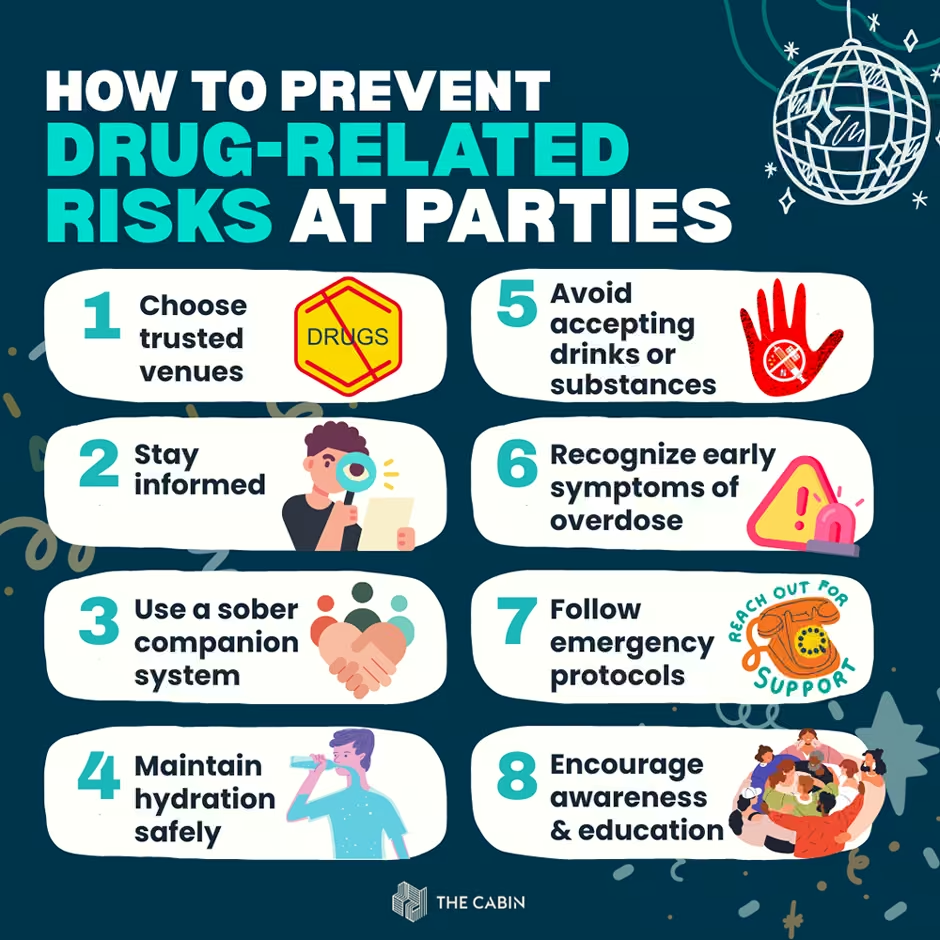
- Choose trusted venues. Select locations with professional security, first-aid access, and regulated entry to reduce exposure to unsafe substances or dangerous environments.
- Stay informed. Learn about common club and party drugs, their effects, and potential risks to recognise early signs of danger or intoxication in any situation.
- Use a sober companion system. Attend events with trusted peers who remain drug-free to monitor group safety and respond quickly to emergencies.
- Maintain hydration safely. Drink water regularly to prevent dehydration, and avoid excessive intake that strains the body during prolonged activity.
- Avoid accepting drinks or substances. Consume sealed beverages prepared personally or by verified staff to prevent drug contamination or drink spiking.
- Recognise early symptoms of overdose. Seek immediate medical help when dizziness, confusion, or irregular heartbeat appear, as early response prevents fatal complications.
- Follow emergency protocols. Contact medical or event personnel immediately in any suspected drug-related incident, and provide accurate information to ensure proper treatment.
- Encourage awareness and education. Support community programs that promote safe party practices and discourage drug use through open discussion and prevention campaigns.
If you or a loved one needs help, contact us today.
At The Cabin, we assist individuals in recovering from addiction, including ecstasy and party drugs, in a safe environment.
