
Methamphetamine Psychosis (Meth Psychosis) is a severe mental health condition that occurs as a result of methamphetamine use.
Meth Psychosis is classified as a substance-induced psychotic disorder, where the use of methamphetamine leads to symptoms such as hallucinations, delusions, paranoia, and disorganised thinking. The symptoms are directly triggered by the drug’s effects on the brain through the overstimulation of dopamine and the disruption of neurotransmitters.
Methamphetamine-induced psychosis is a form of drug-induced psychosis that is caused explicitly by methamphetamine use (crystal meth psychosis), the common form of the drug. Chronic use of methamphetamine or high doses can lead to persistent psychotic symptoms, even after the drug has cleared the system. The psychotic episodes involve distorted perceptions of reality, and the patient may experience heightened paranoia, auditory or visual hallucinations, and extreme agitation.
Understanding meth psychosis is crucial because it can have severe and lasting effects on a patient’s mental and physical health. Early identification and intervention are necessary to prevent long-term psychological damage and help patients with methamphetamine addiction seek appropriate treatment. Meth psychosis can provide insight into the broader impact of methamphetamine addiction, guiding healthcare professionals and families into supporting recovery.
Is Meth a Hallucinogenic Drug?
No, meth is not a hallucinogenic drug. It is a stimulant that affects the central nervous system by increasing the release of dopamine, leading to intense euphoria, increased energy, and alertness. Methamphetamine can cause hallucinations. However, it is not primarily known for its hallucinogenic properties, unlike substances such as LSD or psilocybin. The psychotic symptoms (hallucinations) are a result of prolonged or heavy use.
Why Methamphetamine Can Cause Psychosis?
Methamphetamine can cause psychosis because it disrupts brain chemistry and overstimulates neural pathways. The drug increases the release of dopamine, serotonin, and norepinephrine, leading to an imbalance that can result in hallucinations, delusions, and paranoia. Prolonged use, high doses, and sleep deprivation further exacerbate these effects. Sleep deprivation impairs brain function, making psychotic symptoms more pronounced. Long-term use leads to structural changes in the brain, impairing its ability to regulate mood and thought processes.
Cocaine and hallucinogens induce psychosis, but through different mechanisms. Cocaine affects dopamine, while hallucinogens alter serotonin receptors; both substances can lead to hallucinations and psychotic episodes. The intensity of psychosis from methamphetamine is greater due to its combined effects on multiple neurotransmitters.
Chronic methamphetamine use increases the risk of sustained psychosis. Withdrawal from the drug can worsen symptoms, as the brain struggles to return to normal function. Overuse of methamphetamine creates lasting damage, making psychosis a common consequence of addiction.
Is Meth the Only Drug That Causes Psychosis?
No, meth is not the only drug that causes psychosis. Methamphetamine drug abuse is a significant cause, other substances like cocaine, hallucinogens, and alcohol can also trigger psychotic episodes. These drugs alter brain chemistry in different ways, leading to symptoms like hallucinations, delusions, and paranoia. Methamphetamine’s effects are intense due to its impact on multiple neurotransmitters. Methamphetamine drug abuse is not the sole contributor to drug-induced psychosis.
Why Does Meth Cause Paranoia and Delusions?
Meth causes paranoia and delusions because it stimulates the release of high levels of dopamine in the brain, disrupting normal neurotransmitter function. This overstimulation leads to distorted perceptions of reality, creating intense fear and suspicion. The brain’s inability to regulate emotions and thoughts under the influence of meth contributes to the onset of meth paranoia. Consumers of meth experience heightened alertness and fear as dopamine levels surge, believing they are being watched or persecuted. These effects are compounded by the drug’s impact on serotonin and norepinephrine, which further distorts thought processes, leading to meth delusions. Chronic use can intensify these symptoms, making paranoia and delusions more severe. The progression of meth delusions is a direct result of ongoing methamphetamine abuse.
Does Meth make you crazy?
Yes, meth makes you “crazy.” Prolonged use of methamphetamine disrupts brain chemistry, leading to severe mental health issues like paranoia, delusions, and psychosis. These symptoms can make consumers appear irrational or out of touch with reality. The drug’s effect on dopamine and other neurotransmitters creates lasting changes in the brain, which can cause persistent mental disturbances. Meth paranoia and meth delusions are common manifestations of these changes, leading to behaviour that seems erratic or “crazy” to others.
How Does Meth Cause Hallucinations?
Meth causes hallucinations by overstimulating the brain’s neurotransmitters (dopamine, serotonin, and norepinephrine). The imbalance disrupts normal brain function and perception, leading to sensory distortions. Meth consumers may experience visual, auditory, or tactile hallucinations, where they see, hear, or feel things that are not real. Visual hallucinations involve seeing people or objects that are not present. Auditory hallucinations may cause hearing voices or sounds. Tactile hallucinations can make consumers feel sensations, such as bugs crawling on their skin. The meth hallucinations are a direct result of the intense brain activity caused by meth use. Continued use increases the likelihood and severity of methamphetamine hallucinations, making them more persistent and damaging.
Can Methamphetamine Cause Schizophrenia?
 Yes, methamphetamine can cause Schizophrenia. Methamphetamine abuse can induce psychotic episodes (delusions, paranoia, and hallucinations), which are key symptoms of Schizophrenia, but it does not directly cause Schizophrenia. Prolonged use of methamphetamine can lead to lasting changes in the brain in areas that regulate mood, thought processes, and reality perception.
Meth drug-induced psychotic symptoms can persist even after the drug use stops, resembling the chronic symptoms of Schizophrenia. Methamphetamine abuse can worsen or accelerate the onset of Schizophrenia in vulnerable consumers with a genetic predisposition to the disorder.
How Methamphetamine Affects the Brain?
Methamphetamine affects the brain by disrupting key neurotransmitter systems (dopamine, serotonin, and norepinephrine). The drug induces a massive release of dopamine, followed by a blockage of its reuptake, leading to an intense feeling of pleasure. It depletes dopamine levels, impairing the brain’s ability to regulate emotions and motivation, and contributing to long-term mood disturbances. Chronic use of methamphetamine causes severe damage to dopamine-producing neurons, affecting areas like the frontal cortex, responsible for decision-making and reward processing. Effects of methamphetamine on the brain extend beyond neurotransmitter disruption, leading to structural damage in regions (the hippocampus and the striatum). These areas are essential for memory and motor functions. Their deterioration contributes to cognitive deficits and motor impairments.
The effects of methamphetamine drugs on the brain result in long-lasting psychological issues, including psychosis, hallucinations, and paranoia, according to the research “Effects of Crystal Meth on the Brain and Central Nervous System” by Editorial Staff, November 15, 2024. The serotonin system is similarly affected, leading to mood dysregulation and aggression. Long-term use increases the risk of severe mental health issues, including methamphetamine hallucinations, which are accompanied by delusions and paranoia. Damage to brain structures like the hippocampus and prefrontal cortex impairs memory, attention, and decision-making, and some of the damage may be irreversible. Significant and permanent brain changes can remain, while some recovery may occur with abstinence.
Can Methamphetamine Cause Long-Term Damage to the Body?
Yes, methamphetamine can cause Schizophrenia. Methamphetamine abuse can induce psychotic episodes (delusions, paranoia, and hallucinations), which are key symptoms of Schizophrenia, but it does not directly cause Schizophrenia. Prolonged use of methamphetamine can lead to lasting changes in the brain in areas that regulate mood, thought processes, and reality perception.
Is Ice
Controlling
Your Mind?
What is the Impact of Meth Psychosis on Art?
 The impact of meth psychosis on art is evident in how artists represent the chaotic mental state caused by methamphetamine use. For example, visual artists use distorted, fragmented imagery to portray the hallucinations experienced during psychosis. The surreal, warped forms in their works reflect the disorganised thought processes and altered perception of reality that occur during meth psychosis. Paranoia is depicted through unsettling, shadowy figures or repetitive patterns, symbolising the constant fear and suspicion that accompany meth-induced delusions.
Films and digital art feature characters or scenes showing individuals trapped in their own minds in popular culture, lost in hallucinations and heightened fear. For example, the film Requiem for a Dream (where the downward spiral of addiction is portrayed) is portrayed through vivid, hallucinatory scenes that mirror the cognitive decline induced by drug use. Online communities share personal stories and visual representations of meth psychosis, expressing feelings of being watched or pursued, further showcasing the effects of meth on perception. The artistic representation of meth psychosis art brings awareness to the psychological devastation caused by methamphetamine use.
What is Meth-Induced Psychosis?
Meth-induced psychosis is a severe mental health condition that occurs as a result of prolonged methamphetamine use, leading to symptoms such as delusions, hallucinations, paranoia, and impaired reality. Meth-induced psychosis is recognised in the Diagnostic and Statistical Manual of Mental Disorders, Fifth Edition (DSM-5) under the category of Substance/Medication-Induced Psychotic Disorder with specific mention of methamphetamine use. The condition is characterised by the onset of psychotic symptoms during or shortly after methamphetamine use, persisting even after the drug is cleared from the system. Methamphetamine-induced psychotic disorder is categorised under F16.9 (Psychotic disorder due to use of hallucinogens) in the International Classification of Diseases, 10th Revision (ICD-10), but it is more accurately described within methamphetamine-induced psychotic disorder.
Meth-induced psychosis shares similarities with other forms of drug-induced psychosis triggered by alcohol or other stimulants. Meth induced psychosis is differentiated by the intensity and duration of symptoms. Methamphetamine psychosis can persist for longer periods and may involve severe paranoia, hallucinations, and delusions that are more intense, unlike short-term psychosis caused by substances such as cocaine. Methamphetamine’s effect on the brain, especially its overstimulation of dopamine, makes the psychotic episodes more profound and persistent compared to other drug-induced psychoses.
What is Ice Psychosis (Crystal Meth Psychosis)?
 Ice Psychosis (Crystal Meth Psychosis) is a condition caused by the use of crystal methamphetamine (ice) due to its clear, crystalline appearance. Ice is a potent form of methamphetamine that produces intense effects, leading to a rapid surge of dopamine in the brain. The overstimulation can result in symptoms like hallucinations, paranoia, and delusions.
“Ice psychosis” is identical to meth psychosis, as they involve similar psychological disturbances due to methamphetamine use. The symptoms of crystal meth psychosis include extreme paranoia, vivid hallucinations, and disorganised thinking, leading to erratic behavior. The condition can persist for days or weeks (1 to 2 weeks), even after the drug has left the body, due to the lasting impact on brain chemistry.
What are the Symptoms of Meth Psychosis?
The Symptoms of Meth Psychosis are listed below.

- Hallucinations: Consumers of meth may experience vivid visual, auditory, or tactile hallucinations, such as seeing things that aren’t there, hearing voices, or feeling sensations like insects crawling on the skin.
- Paranoia: A heightened sense of fear and suspicion, believing that others are plotting against or trying to harm them, even when there is no evidence to support these thoughts.
- Delusions: False beliefs, such as the conviction that they possess special powers, that they are being watched, or have been persecuted by others.
- Aggression: Extreme irritability and hostile behaviour can occur, linked to the intense paranoia or hallucinations.
- Disorganised Thinking: Thoughts may become fragmented or incoherent, making it difficult for the individual to focus or communicate clearly.
- Mood Swings: Rapid shifts in emotions, including intense feelings of euphoria followed by severe depression, anxiety, or irritability.
- Increased Activity or Restlessness: Hyperactivity (an inability to relax) accompanied by excessive talking or rapid movement.
- Insomnia: Chronic lack of sleep, leading to extreme fatigue, confusion, and further exacerbating psychotic symptoms.
- Cognitive Impairment: Difficulty with memory, concentration, and decision-making due to the neurological effects of methamphetamine on the brain.
How Common is Meth Psychosis?
Meth psychosis is 50% common among users with long-term methamphetamine use. Half of chronic meth users experience psychotic symptoms (hallucinations, delusions, and paranoia) at some point in their usage, according to the research title “Dose-Related Psychotic Symptoms in Chronic Methamphetamine Users” by Rebecca McKetin, PhD, March 2013. However, certain groups are more vulnerable to developing meth psychosis, particularly younger users in their late teens to early twenties. Men are more likely to experience meth psychosis compared to women, although men and women are both at risk with prolonged use. Users with pre-existing mental health conditions or a family history of psychiatric disorders are more susceptible. The severity and duration of methamphetamine use increase the likelihood of experiencing meth psychosis.
Not
Feeling Right
After Meth?
How is Meth-Induced Psychosis Diagnosed?
Meth-Induced Psychosis is diagnosed by assessing clinical symptoms in accordance with the diagnostic criteria outlined in the DSM-5 under Substance/Medication-Induced Psychotic Disorder. The disorder is characterised by the onset of psychosis (hallucinations, delusions, and paranoia), which occur during or shortly after methamphetamine use. The psychotic symptoms must not be better explained by another medical condition, or by a primary psychotic disorder (schizophrenia) to meet the diagnostic criteria.
The ICD-10 provides a specific classification for meth-induced psychosis in addition to DSM-5 guidelines. It is coded under F15.9 for Amphetamine-Induced Psychotic Disorder, Unspecified, which covers psychosis caused by the use of amphetamines (methamphetamine). The coding is used when the psychotic symptoms are directly linked to methamphetamine use, and no other underlying psychiatric condition is identified.
What are the Signs of Drug-Induced Psychosis?
The signs of Drug-Induced Psychosis are listed below.
- Meth Bugs (Formication): A sensation of insects crawling under the skin, leading to scratching or picking at the skin in an attempt to remove the “bugs.”
- Euphoria (Excessive Energy): A heightened sense of well-being or extreme energy, experienced before the onset of psychotic symptoms. It can lead to an intense urge to talk, work, or engage in activities at an accelerated pace.
- Inability to Focus (Concentrate): Difficulty in maintaining attention or following a thought process, causing disjointed conversations or actions.
- Paranoid Delusions: A belief that others are plotting against them or that they are in danger. It can lead to violent behavior as users may feel the need to protect themselves from imagined threats.
- Fixation (Obsession): An intense focus on particular thoughts or objects, which can dominate the person’s actions, leading to repetitive behaviors like excessive cleaning or organising.
- Memory Loss: Short-term memory issues, where the users may forget recent events or conversations, adding to the confusion and distress caused by the psychosis.
What are the Treatments for Meth Psychosis?

The treatments for Meth Psychosis are listed below.
- Medical Detoxification: Medical detoxification is the initial step in managing meth-induced psychosis, where patients are safely monitored while the methamphetamine is cleared from their system. Detoxification is effective in stabilising patients and alleviating acute withdrawal symptoms. It is essential for patients who are experiencing severe withdrawal or have co-occurring medical conditions. The cost of detoxification varies depending on the facility, the level of care required, and if their insurance may cover a portion of the expense. Medical detox is part of a comprehensive Meth Drug Addiction Treatment program.
- Cognitive Behavioral Therapy (CBT): Cognitive Behavioral Therapy (CBT) helps patients identify and change negative thought patterns related to methamphetamine use. CBT is highly effective in reducing methamphetamine use and preventing relapse by addressing the cognitive distortions associated with addiction. CBT is suitable for patients who are motivated to change and actively engaged in therapy. The cost varies depending on the provider, and if their insurance plan covers it.
- Group and Individual Counseling: Group and individual counseling sessions provide emotional support and address the psychological aspects of methamphetamine addiction. Counseling is effective in improving self-awareness, promoting behavioral change, and improving emotional regulation. It is available for patients seeking to understand the root causes of their addiction and develop coping strategies. Costs can vary, with some programs offering counseling as part of the treatment plan.
- Medication-Assisted Treatment (MAT): Medication-Assisted Treatment (MAT) involves using medications to support recovery from methamphetamine use. Medications (bupropion and naltrexone) have shown some promise in clinical studies, while there is no FDA-approved medication specifically for methamphetamine use. MAT is effective for patients who need pharmacological support during their recovery. It is most beneficial for patients struggling with intense cravings and withdrawal symptoms. The cost varies based on the medication prescribed, and if their insurance may help to reduce the out of pocket expenses. MAT is a part of a holistic Meth Drug Addiction Treatment approach.
- Holistic Therapies: Holistic therapies (mindfulness, yoga, and physical exercise) complement traditional treatment by focusing on well-being and stress reduction. These therapies are effective in reducing anxiety, improving mood, and supporting mental clarity, which are important for recovery from meth-induced psychosis. Holistic therapies are suitable for patients seeking complementary treatments to their other traditional approaches. The cost may vary depending on the type of therapy and if the center includes these services in their program.
- Aftercare and Support Groups: Aftercare and support groups, such as Narcotics Anonymous (NA), provide ongoing support and accountability after primary treatment. These programs are effective in maintaining sobriety, offering a sense of community, and reducing the risk of relapse. Aftercare is suitable for patients transitioning back to daily life after completing initial treatment. Support groups are free or charge a minimal fee, and some treatment centers include aftercare in their services.
- Family Therapy: Family therapy addresses the role of family dynamics in addiction and helps improve communication and relationships. It is effective in creating a supportive environment for the patients in recovery, strengthening relationships, and reducing enabling behaviors. Family therapy is suitable for patients whose family dynamics contribute to their addiction and for patients looking to rebuild broken relationships. The cost can vary depending on the provider and location. Some centers include family therapy or family programming in their treatment program.
- Inpatient Rehabilitation Programs: Inpatient rehabilitation programs provide intensive, 24/7 care in a controlled environment, which offers comprehensive treatment for methamphetamine addiction and psychosis. These programs are highly effective in providing structure and a supportive environment for recovery. Inpatient treatment is suitable for patients with severe addiction or who need a controlled setting for recovery. The cost varies based on the type of facility, location, and if insurance coverage may help offset some expenses.
How Long Does Meth Psychosis Last?
Meth psychosis lasts from a few hours to a week in transient episodes, subsiding once the drug is cleared from the body. Persistent psychosis can continue for up to six months after discontinuing meth use in chronic users. Some patients may experience symptoms for even longer. 10% of users may suffer from psychosis beyond six months, and 5% continue to experience symptoms for up to three years after treatment, according to the research “How Long Does Drug-Induced Psychosis Last?” by Illinois Recovery Center, April 25, 2025.
The frequency and duration of methamphetamine use, the presence of co-occurring mental health disorders like Schizophrenia, and their genetic predisposition to psychotic conditions are all the factors that can prolong the duration of meth psychosis. Early onset of meth use, sleep deprivation, and concurrent use of other substances can increase the likelihood of prolonged or persistent psychosis. Brain damage caused by long-term meth abuse may contribute to the ongoing nature of psychotic symptoms, even after the patient has stopped using the drug.
The persistence of symptoms can vary, but with proper treatment, including medically supervised detox, psychotherapy, and antipsychotic medications, recovery is possible in some cases. Seeking professional care is essential for managing and reducing the risk of long-term psychosis.
How Can Meth Psychosis Become Permanent?
Meth psychosis can become permanent due to prolonged and repeated use of methamphetamine, which causes lasting changes to brain structure and function. Chronic meth use leads to neurotoxic damage (affecting dopamine and serotonin pathways), which are crucial for mood regulation, perception, and cognition. The damage can impair the brain’s ability to regulate mental processes, making psychotic symptoms like paranoia, delusions, and hallucinations persist, even after the drug is no longer in the system.
Long-term use of methamphetamine can result in permanent brain changes, particularly in areas like the frontal cortex and hippocampus, which are responsible for memory, decision-making, and emotional regulation. These changes can cause persistent cognitive and psychological deficits, leading to lasting psychosis. Patients who have a genetic predisposition to psychotic disorders, such as Schizophrenia, are more likely to develop permanent meth-induced psychosis. Sleep deprivation, co-occurring substance use, and childhood trauma, further exacerbate the risk of long-term or permanent psychotic symptoms.
The damage to the brain’s neurotransmitter systems can result in recurring or persistent psychosis, despite abstinence from methamphetamine. Complete recovery may not be possible for every patient with extensive brain damage, even with treatment (therapy and antipsychotic medications).
Can Meth Psychosis Go Away Without Treatment?
No, meth psychosis cannot go away without treatment. Prolonged or persistent psychosis requires medical intervention, while some transient episodes of meth psychosis may resolve once the drug is cleared from the body. The neurotoxic effects of methamphetamine can cause lasting changes in brain function, which can make psychotic symptoms such as delusions, hallucinations, and paranoia persist. The symptoms may continue and even worsen over time without proper treatment, such as medically supervised detox, psychotherapy, or antipsychotic medications. Treatment is essential to manage symptoms, address the underlying addiction, and promote recovery.
How to Prevent Meth Psychosis?
To Prevent Meth Psychosis, follow the eight steps listed below.
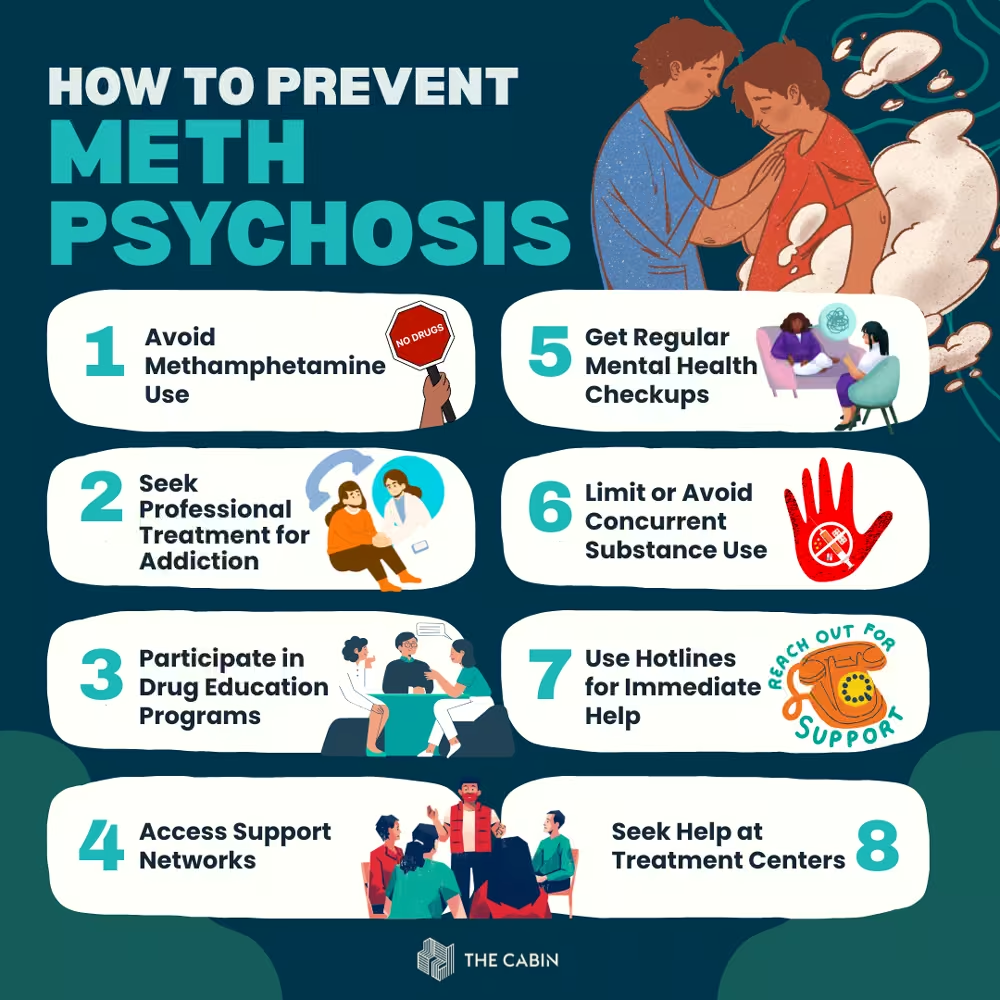
- Avoid Methamphetamine Use. The most effective way to prevent meth psychosis is to refrain from using methamphetamine. Educating yourself about the risks and dangers of meth use can help avoid the initial exposure and long-term consequences associated with it.
- Seek Professional Treatment for Addiction. Seeking professional help is crucial when struggling with methamphetamine addiction. Treatment centers offer detox programs, counseling, and rehabilitation to help break the cycle of addiction before it leads to psychosis.
- Participate in Drug Education Programs. Engage in drug education programs to increase awareness about the harmful effects of methamphetamine. These programs provide knowledge on how addiction develops and the mental health risks associated with drug abuse.
- Access Support Networks. Join support groups like Narcotics Anonymous (NA) to receive ongoing support and accountability. These groups provide a community of individuals who are recovering from addiction and can offer guidance on staying sober and avoiding relapse.
- Get Regular Mental Health Checkups. Stay proactive about mental health by getting regular checkups. Early detection of mental health issues can help prevent complications when combined with substance use. Treatment for underlying mental health conditions can reduce the likelihood of developing psychosis from drug use.
- Limit or Avoid Concurrent Substance Use. Avoid mixing methamphetamine with other substances, as it can increase the risk of psychosis and other mental health issues. Alcohol, other stimulants, or prescription drugs can intensify methamphetamine’s effects, making psychosis more likely.
- Use Hotlines for Immediate Help. Call a hotline for immediate assistance when at risk for or currently experiencing meth psychosis. Hotlines provide confidential support, resources, and guidance to help patients find treatment and avoid further harm.
- Seek Help at Treatment Centers. Reach out to certified drug treatment centers for inpatient or outpatient programs that specialise in methamphetamine addiction and mental health treatment. These centers offer comprehensive treatment, including therapy and medical care, to prevent or address meth-induced psychosis.
Getting Help for Meth Psychosis
If you are seeking help for a loved one who is in a state of psychosis, remember to speak to them calmly and avoid confrontation. If they only experience psychosis during drug use, try to wait until the drug has worn off before talking to them. If you can get them there, a visit to a doctor’s office or a drug addiction treatment centre can definitely help.
Contact us for a free assessment to explore how we can help you achieve a healthy, happy life. At The Cabin Chiang Mai, we offer an effective treatment program that combines evidence-based therapies for successful long-term recovery.
