
Media influence on youth and children has become a concern in the digital age. Television, the internet, social media, and digital games are examples of media in the 21st century that deliver content to youth and children. Kids and teens spend an average of over 7 hours per day in front of a screen in today’s world, with differences in how they engage with digital content based on age.
Younger children tend to consume more passive content like cartoons, while teens engage interactively on social media, video games, and streaming platforms. Prolonged exposure to specific media types presents several risks, although digital media provides educational benefits, promotes creativity, and fosters global awareness. The media’s influence on youth leads to addictive behaviors like excessive screen time and social media dependence, impacting mental health and development. Treatment at The Cabin, helps young individuals overcome these challenges and regain control.
1. Unhealthy Diet
An Unhealthy Diet results as children snack on unhealthy foods while glued to screens, influenced by advertisements for calorie-dense fast food. Children are exposed to unhealthy food choices, with the prevalence of ads promoting fast food and sugary drinks. The continuous bombardment of such media messages leads to poor dietary habits, negatively affecting their growth, development, and overall health. Unhealthy eating patterns, fueled by media consumption, contribute to obesity and other related health issues in young people.
2. Poor Social Skills
Poor Social Skills develop when excessive screen time replaces in-person interactions, limiting children’s ability to engage socially and affecting their communication abilities. Children and adolescents miss opportunities to interact with family, friends, and peers when they spend hours glued to screens. Lack of real-life social engagement leads to difficulties in communication, teamwork, and conflict resolution, which are crucial for building strong, healthy relationships. Children who spend too much time with digital media struggle with social anxiety, poor emotional intelligence, and difficulties navigating social settings in real life.
3. Sexuality
Sexuality becomes skewed as children are exposed to sexual content, unrealistic and inappropriate for their age, which leads to confusion about healthy sexual behaviors. Television, music videos, films, and online platforms depict skewed representations of sexuality, with an overwhelming focus on casual sex, promiscuity, and sexual violence. Portrayals distort young people’s perceptions of intimacy, relationships, and consent. The exposure to sexualized content at an early age may shape children’s attitudes toward sex, influencing their behaviors and expectations in unhealthy ways. It contributes to the normalization of risky sexual behaviors in real life and within their media consumption.
4. Lack of Sleep
Lack of Sleep is another risk, with children staying up late watching TV or browsing their phones, disrupting their sleep cycles and affecting their overall well-being. The extended screen time, before bed, interferes with their ability to wind down and fall asleep, as the blue light emitted by screens suppresses the production of melatonin, the hormone responsible for regulating sleep. Chronic sleep deprivation impairs memory, concentration, and decision-making abilities while increasing susceptibility to mood disorders like anxiety and depression. The lack of restorative sleep hinders the body’s growth and immune function, making it challenging for children to perform academically, socially, and physically.
5. Attitudes, Values, and Behavior
The attitudes, values, and behaviors of a child are influenced by the media. The portrayal of violence, substance abuse, and other harmful behaviors in media negatively influences children, leading them to perceive these behaviors as acceptable and adopt them. Children adopt violent tendencies themselves, or they develop a perception that aggression is a viable way to resolve conflicts. The media’s portrayal of materialism, body image, and social success influences young people’s values, leading them to prioritize superficial aspects of life over emotional well-being or personal growth.
Are you
Worried
about Your
Loved One?
Are there Positive Effects of Media for Kids?
Yes, there are positive effects of media for kids when it is used appropriately and in moderation. Digital media offer various opportunities to promote learning, foster creativity, and promote social and emotional well-being. Children benefit from the vast educational resources, such as interactive apps and games that teach new skills, stimulate problem-solving, and improve cognitive functions with the proper guidance. Digital platforms provide a space for self-expression and identity exploration, which is crucial during adolescence. Media helps children stay connected with peers, learn about health, and gain exposure to diverse cultures and ideas.
The positive effects of media on child development are listed below.
- Improving learning through educational apps and online courses.
- Supporting creativity via tools for graphic design, music production, and video editing.
- Promoting communication skills through social media and online gaming communities.
- Encouraging physical activity through fitness apps and virtual outdoor games.
- Offering platforms for identity exploration, including mental health and LGBTQ+ support groups.
- Broadening global awareness by connecting with diverse cultures and perspectives.
The importance of supervision by parents or adults is indisputable, although the media has several benefits. Ensuring a safe and balanced media environment helps children use media responsibly and avoids potential risks associated with excessive screen time or exposure to inappropriate content.
How does the Media Influence People?
The media plays a significant role in influencing people’s behaviors, opinions, and perceptions in the digital era, where information is instantly accessible and constantly evolving. Adults and youth use media for a wide range of purposes, including entertainment as well as influencing political views, public health behaviors, and social norms. Adults use media for professional networking, keeping up with news, socializing, and leisure activities. Youth, children, and adolescents are susceptible to its impact, consuming media content that contributes to unhealthy body image, increased risk behaviors, and lower self-esteem. The rise of social media has increased exposure to cyberbullying, addiction, and unrealistic portrayals of life, leading to significant psychological effects. Children and adolescents, who are developing, face greater risks when exposed to inappropriate content, excessive screen time, or distorted societal standards. The importance of supervision in guiding younger generations on responsible media use has never been more evident.
The various media types are listed below.
- Television: Television remains a dominant media outlet, shaping entertainment, culture, and societal norms, but it influences unhealthy behaviors, promotes passive consumption, and exposes viewers to excessive violence or unrealistic beauty standards.
- Books and Magazines: Traditional forms of media provide educational value, foster critical thinking, and stimulate imagination, but they perpetuate stereotypes, gender roles, and unrealistic portrayals of success or happiness.
- Internet: The internet serves as an information hub, offering endless opportunities for learning, social interaction, and entertainment. However, it is a source of misinformation, privacy issues, and addiction for younger users.
- Computers, Tablets, and Smartphones: Digital devices enable immediate access to social media, gaming, and information, making them vital for work and communication. However, over-reliance on these devices leads to distractions, isolation, and adverse health effects, such as poor sleep and physical inactivity, particularly among children and adolescents.
What are the Effects of Watching Television on Adolescents?
The effects of watching television on adolescents include offering educational content and relaxation, but it contributes to issues like increased screen time, physical inactivity, exposure to violence, and disrupted sleep patterns. Television remains an everyday activity for adolescents and pre-teens despite the rise of streaming services such as Netflix, Disney+, and YouTube. Adolescents engage with shows across multiple genres, including drama, comedy, reality television, sports, and educational content. Streaming platforms have made television viewing more accessible, and many adolescents are now consuming content online, leading to a shift away from traditional TV. Pre-teens tend to watch a mix of cartoons, animated shows, reality shows, and sometimes teen dramas.
The effects of watching Television on Adolescents are listed in the table below.
| Positive Effects of Television for Adolescents | Negative Effects of Television on Adolescents |
|---|---|
| Educational content facilitates learning | Increased screen time leads to obesity |
| Exposure to different cultures and perspectives | Risk of imitating risky behaviors from TV |
| Provides a platform for relaxation and entertainment | Exposure to violence increases aggression |
| Fosters family bonding during viewing time | Disrupts sleep patterns when watching late at night |
| Develops creativity through imaginative shows | Leads to decreased physical activity |
| Help develop language skills through educational shows | Increased exposure to unrealistic body images and ideals |
| Provides a sense of connection to popular culture | Contribute to social isolation and loneliness |
| Promotes critical thinking when discussing shows | Overuse of TV interferes with schoolwork and responsibilities |
The table highlights the benefits and risks associated with watching television for adolescents. Educational benefits, fostering creativity, and offering relaxation are the positive effects of television. Obesity, increased aggression, and disrupted sleep patterns arise from excessive TV viewing are adverse effects of watching television. The average time spent watching television increases as adolescents grow more accustomed to streaming platforms, contributing to TV addiction when moderation is not practiced. Parents and guardians must monitor television usage to ensure a balanced lifestyle for their children.
How does the Internet Affect Child Development?

The internet has positive and negative effects on child development, depending on how it is used and whether appropriate supervision is in place. Excessive use without proper guidance leads to adverse outcomes, while the internet offers opportunities for learning, creativity, and social interaction. The internet’s influence on kids is multifaceted and impacts their physical health, emotional well-being, and social skills.
For instance, educational content and online games foster cognitive development, strengthen hand-eye coordination, and promote teamwork. However, the risks increase when children use the internet excessively without adult supervision. Parents and guardians must supervise children’s internet use, set screen time limits, guide them in making healthy choices, and ensure they are not exposed to harmful content such as cyberbullying or inappropriate materials. Helping children balance their online and offline activities mitigates the potential downsides.
The risks include a reduction in physical activity, exposure to harmful content, and the development of unhealthy behaviors like internet addiction. Internet addiction is becoming a growing concern among children and adolescents, as it leads to poor academic performance, social isolation, and emotional distress. The question of why is internet bad for kids arises when considering the adverse effects, such as addiction, exposure to harmful content, and decreased physical activity, which impact a child’s well-being.
The effects of the Internet on child development are listed below.
- Addiction to Online Games: Overuse of online games leads to gaming addiction, disrupting sleep patterns and social interactions.
- Mental Health Issues: Excessive internet use has been linked to depression, anxiety, and low self-esteem when children compare themselves to unrealistic online personas.
- Reduced Physical Activity: Spending too much time on digital devices leads to sedentary behavior, contributing to obesity and other health issues.
- Cyberbullying: Kids are exposed to bullying and harassment online, which severely affects their mental health and self-esteem.
- Social Isolation: Excessive screen time limits face-to-face interactions, hindering the development of social skills and leading to isolation.
- Exposure to Inappropriate Content: Children encounter harmful or explicit content that affects their psychological development without proper monitoring.
- Sleep Disruptions: Overusing the internet before bedtime interferes with sleep, leading to fatigue and emotional distress.
Parents must engage in active supervision to mitigate these risks. It includes setting clear boundaries for internet usage, guiding children on responsible online behaviour, using parental controls, and encouraging offline activities to foster a balanced lifestyle.
Can a Kid Get Addicted to the Internet at a Young Age?
Yes, a kid can get addicted to the internet at a young age. Internet addiction has become common in children, with research showing that 6.3% of children, ranging from fourth to ninth grade, exhibit internet addiction signs. Social media, online gaming, and peer influence contribute to excessive internet use. Kids are vulnerable to internet addiction because their developing brains are more prone to the reward mechanisms associated with online activities, like social media engagement and gaming, which provide immediate gratification and constant stimulation.
The internet’s availability, the prevalence of online entertainment, and the lack of adult supervision contribute to children spending excessive time online. Easily losing track of time, withdrawal symptoms when disconnected from the internet, sleep disturbances, and neglecting responsibilities like homework or chores are internet addiction signs in children. Decreased academic performance, lying about online activities, obsessive internet use, social isolation, and failed attempts to reduce screen time are additional symptoms. Recognizing these signs early on helps prevent the manifestation of a more severe addiction.
Are They Always
glued
to the screen?
How does Social Media Affect Children’s Behavior?
Social media significantly impacts children’s and teenagers’ behavior, shaping how they think, feel, interact, and perceive themselves. The influence of social media is potent as it alters communication patterns, emotional responses, and social dynamics. The constant exposure to curated images and idealized representations of peers and celebrities creates unrealistic expectations for children and teens, leading to negative feelings about their bodies and lives. It results in lower self-esteem, social anxiety, and an increased need for validation through likes and comments. The indirect nature of online communication, like texting and social media messaging, hinders the development of critical social skills like reading body language and understanding emotional cues, which are essential for healthy interpersonal interactions.
The impact of social media exacerbates feelings of isolation, despite the apparent connection it offers. Children and teens become overly focused on digital interactions, leading to a decline in face-to-face social skills and emotional regulation. The constant need for validation and the pressure to maintain a perfect online persona fuel feelings of inadequacy, contributing to anxiety and depression. The rise of cyberbullying and social comparison further intensifies these effects, with teens engaging in behaviors online that they avoid in person, such as trolling or making hurtful comments. The continuous exposure to negative content or the feeling of being ignored on social media platforms leads to emotional depletion and stress, making it harder for children to disconnect and recharge. Children are prone to social media addiction due to the availability of the internet on multiple devices like smartphones, laptops, and computers.
What are the Most Addictive Social Media Platforms?

The Most Addictive Social Media Platforms are listed below.
What are the Positive Effects of Social Media on Teenagers?
The Positive Effects of Social Media on Youth are listed below.
What are the Negative Effects of Social Media on Youth?
The Negative Effects of Social Media on Youth are listed below.
- Mental Health Issues: The social media influence on teenagers leads to negative impacts on their mental health, such as feelings of sadness, loneliness, or anxiety. Teens report worsening well-being correlated with social media use when engaging with harmful content or comparing themselves to others.
- Cyberbullying and Harassment: Nearly half of adolescents experience cyberbullying, harassment, or aggressive behavior online. Being a target of cyberbullying is linked to worse mental health symptoms, lower school performance, and decreased life satisfaction for teens in LGBTQ+ or BIPOC communities.
- Body Image and Disordered Eating: Social media encourages social comparison, which negatively affects body image. Platforms that promote disordered eating or unrealistic beauty standards, such as “thinspiration” content or heavily edited selfies, lead to lower self-esteem and unhealthy perceptions of one’s body.
- Exposure to Harmful Content: Social media still expose teens to inappropriate content, including pornography, violence, self-harm depictions, and illegal activities despite platforms’ efforts to remove harmful material. The exposure is detrimental to a young person’s emotional and psychological development.
- Unwanted Contact and Online Predators: Social media platforms make it easy for strangers, marketers, or trolls to contact teenagers. Unwanted contact from predators or adults with malicious intent poses risks to teen safety and well-being.
- Sleep Disruption: Teens delay bedtime due to engaging with social media, leading to insufficient sleep. The behavior is associated with poor academic performance, emotional instability, and increased stress. Social media use’s psychological and emotional stimulation affects sleep quality by disrupting Rapid Eye Movement (REM) sleep cycles.
- Digital Stress and Anxiety: Constant digital connectivity causes stress and anxiety among teens, known as digital stress. The pressure to be constantly available, respond to messages, and participate in conversations creates a sense of urgency and discomfort, depriving them of necessary downtime and solitude.
- Addictive Behaviors and Dependency: Prolonged use of social media platforms becomes addictive, with teens spending increasing amounts of time online, neglecting real-life responsibilities, and disrupting their academic and social lives. The dependency limits their development of healthy coping mechanisms for stress and social interactions.
- Displacement of Other Activities: Excessive social media use displaces essential activities, such as physical exercise, face-to-face socializing, and schoolwork. Teens prioritize online interactions over more meaningful and physically engaging activities, affecting their development.
- FOMO (Fear of Missing Out): Social media triggers feelings of FOMO, where teens feel pressured to constantly engage with their online communities to avoid missing out on social events or trending topics. Inadequacy, anxiety, and a sense of being disconnected from reality are all symptoms of such a type of mental health disorder.
Is Gaming Addiction Common in Children Today?
Yes, gaming addiction is common in children today. Research estimates that video game addiction, or internet gaming disorder, affects between 1.7% and 10% of the U.S. population, with the condition impacting children, teens, and adults according to the Cleveland Clinic. The common age group affected by video game addiction is adolescents between 12 and 18, as they are susceptible to the immersive and rewarding nature of online gaming.
The addictive qualities of video games are attributed to the type of games children play. Massively Multiplayer Online (MMO) games, Battle Royale, First-Person Shooters (FPS), Mobile Gacha Games, Survival Games, and Simulation Games are popular among children due to their engaging gameplay and competitive elements. These games have built-in reward systems and multiplayer features that encourage prolonged play. The rush of winning, the need to level up, and the sense of accomplishment from completing in-game challenges or achieving high ranks trigger the dopamine release in the brain, reinforcing the gaming addiction.
MMOs and Battle Royale games feature online communities and social interactions that keep children engaged for long periods, as they build relationships with other players. The social component makes the games even more appealing, creating a sense of belonging and connection that is difficult to replicate offline. Children become addicted to the game, neglecting other important aspects of their lives, including academics, physical activities, and relationships. The continuous need for rewards, recognition, and social interaction in these games leads to unhealthy gaming habits, with children spending excessive time in front of screens.
Is Your Child
Gaming
Too
Much?
How to Minimise the Negative Effects of Media on Youth?
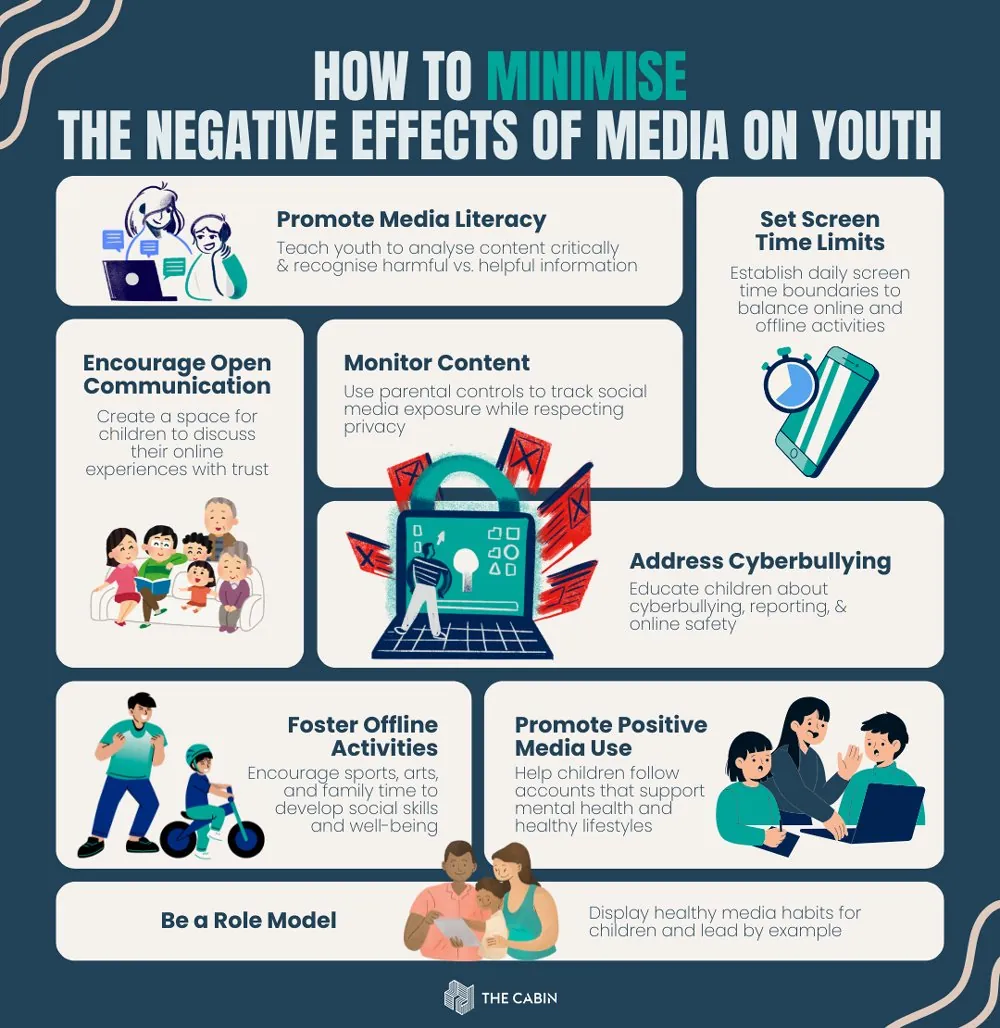
To minimize the Negative Effects of Media on Youth, follow the eight steps listed below.
- Promote Media Literacy. Teach youth how to analyze content on social media and other online platforms critically. Help them understand how algorithms work, the impact of “likes,” and how to identify beneficial and harmful content. Making informed decisions empowers youth and minimizes negative influences.
- Set Screen Time Limits. Establish clear boundaries around daily time spent on social media and other screens. Limit screen time using device settings or apps, and encourage a balance between online and offline activities. Ensure these limits are age-appropriate and evolve as the child grows.
- Encourage Open Communication. Foster an environment where children feel comfortable discussing their online experiences. Encourage regular conversations about their social media use, the people they interact with, and any challenges they encounter. Creating understanding and trust allows parents to intervene early if needed.
- Monitor Content. Actively monitor a child’s exposure to social media content. Use parental controls and regularly check their online activity in early adolescence. Ensure privacy is protected and avoid explicit content or inappropriate interactions.
- Address Cyberbullying and Online Safety. Educate children about the dangers of cyberbullying and teach them how to protect themselves online. Ensure they understand the importance of reporting bullying and inappropriate behavior online and maintaining online privacy and security.
- Foster Offline Activities. Encourage participation in offline activities such as sports, arts, hobbies, or family time. Activities provide a break from screen time and encourage social skills and physical well-being, helping to create a healthy balance in a child’s daily life.
- Promote Positive Media Use. Guide children to use social media and other platforms positively and healthily. Encourage them to follow accounts that promote mental health, education, creativity, and healthy lifestyles. Fostering positive media habits helps reduce the risk of adverse impacts such as anxiety or low self-esteem.
- Be a Role Model. Lead by example when it comes to media use. Set boundaries for screen time and model healthy habits, such as mindful phone use. Children follow an adult’s lead if they see them practicing responsible media habits.
When is Treatment needed for Media Addiction in Children?
The treatment needed for media addiction in children is necessary when their screen time usage begins to negatively impact their well-being, development, and daily functioning. Media addiction becomes a serious issue when it extends beyond typical use and leads to behavioral, emotional, and physical consequences. Professional intervention is recommended for internet addiction treatment when a child shows signs of addiction or exhibits problematic behavior, although occasional usage of screens is normal.
Signs when Professional Interventions are needed.
- Loss of Control Over Screen Time: Children who have difficulty limiting their screen time despite repeated attempts, or who consistently exceed their self-imposed limits, are suffering from addiction.
- Neglect of Basic Needs: Prioritizing screen time over essential activities such as eating, sleeping, or personal hygiene indicates problematic excessive media use.
- Decline in Academic Performance: A child whose school performance is affected due to a lack of focus or too much media consumption needs professional help to address underlying behavioral or psychological issues.
- Social Withdrawal: A noticeable decline in social interactions with family members, peers, or a general withdrawal from extracurricular activities is a common sign of media addiction. The isolation leads to diminished social skills and affects the child’s mental health.
- Mood Swings or Emotional Changes: Extreme mood swings, irritability, anxiety, or depression linked to a child’s media use, such as becoming upset or distressed when screens are taken away, indicate the need for professional treatment. The behavior is indicative of emotional dependence on screens.
- Risky or Inappropriate Behavior: Engaging in dangerous behaviors, such as sharing inappropriate content, communicating with strangers online, or neglecting safety in favor of screen time, is a serious sign that intervention is necessary to ensure the child’s safety and well-being.
- Consider professional treatment if any signs persist for weeks or months, or if a parent feels overwhelmed by managing their child’s media use. Seeking help from a mental health professional or counselor assists in addressing the underlying causes of media addiction, improving family dynamics, and supporting the child’s overall mental health.
If you or someone you know is struggling with addiction and needs treatment, do not hesitate to reach out for professional help. The Cabin is committed to supporting both individuals needing treatment and their families. To find out more about how you or a loved one could benefit from a healthier relationship with smartphone and internet use, contact us for a free consultation.
IF YOU OR A LOVED ONE IS SUFFERING FROM ADDICTION
We are Here to Support Your Journey to Recovery
